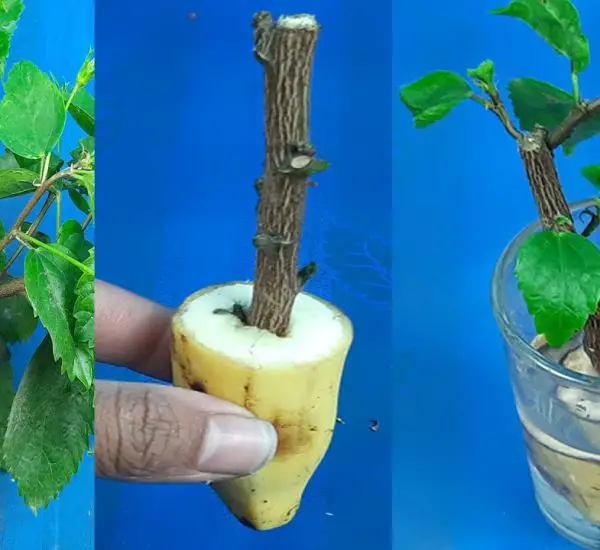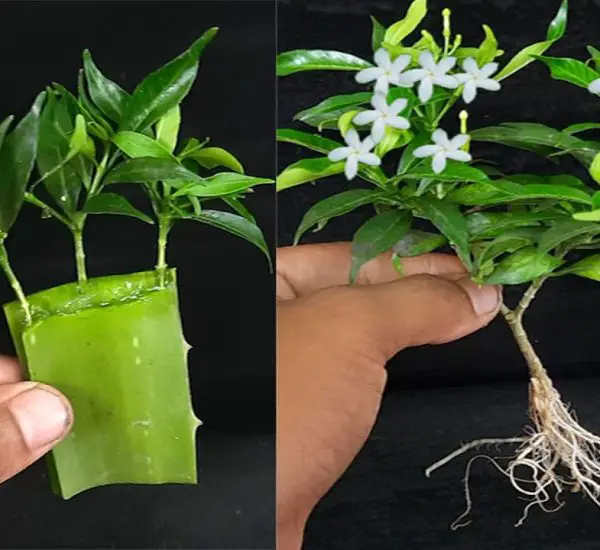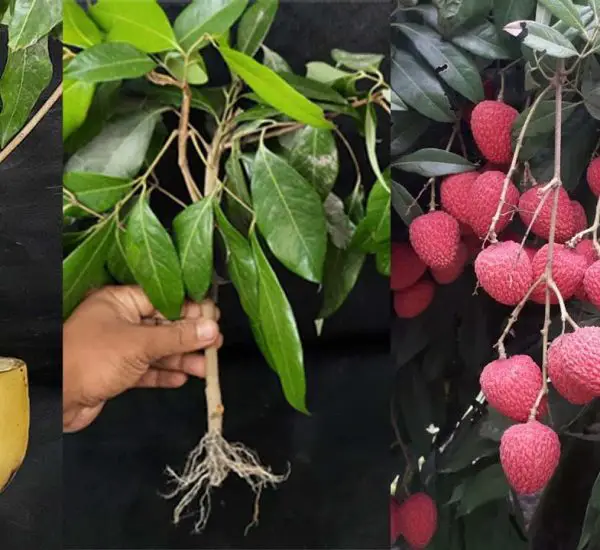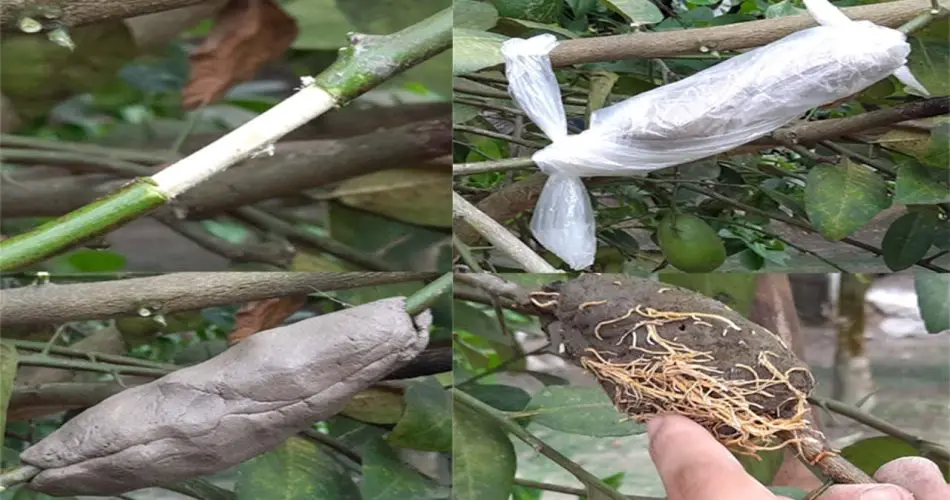
If you’re looking to propagate your lemon trees or improve their fruit yield, learning how to air layer a lemon tree and understanding the grafting process can be incredibly beneficial. This guide will walk you through the lemon tree cutting process step by step, ensuring you have the knowledge to cultivate healthy, productive lemon trees.
What is Air Layering?
Air layering is a propagation technique that allows you to grow a new plant from a branch while it is still attached to the parent tree. This method is particularly effective for lemon trees because it encourages root development in a controlled environment.
Steps to Air Layer a Lemon Tree
- Select a Healthy Branch: Choose a healthy branch that is at least one year old, ideally with a diameter of about 1/4 inch. Ensure the branch is free from disease and has plenty of leaves.
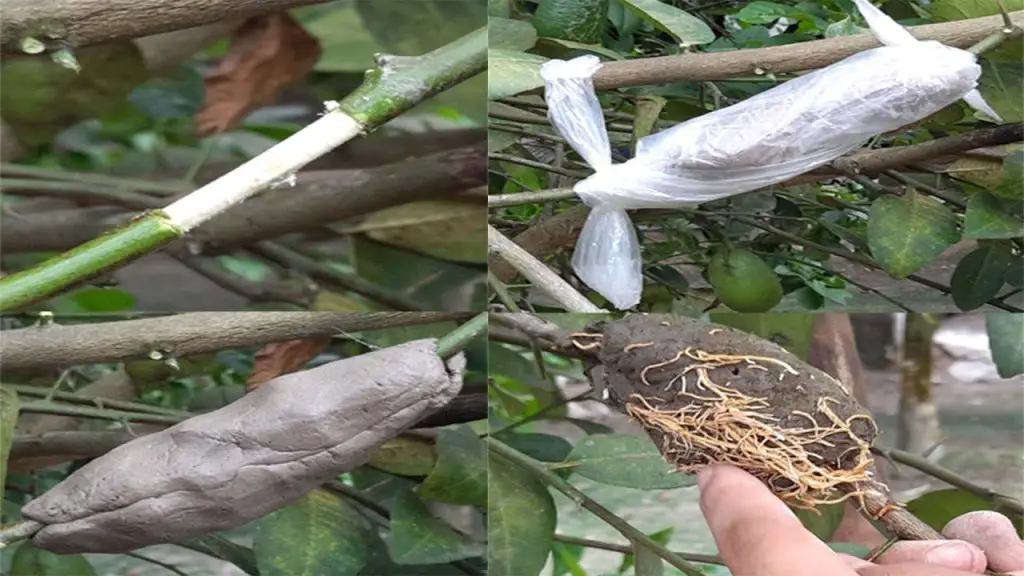
- Make an Incision: About 12-18 inches from the tip of the selected branch, make a circular cut around the branch’s bark, approximately 1/3 of the way through. This cut will encourage the plant to produce roots.
- Remove the Bark: Carefully remove the bark strip (about 1 inch wide) from around the branch. This process is known as girdling and is crucial for root development.
- Apply Rooting Hormone: To enhance root growth, apply a rooting hormone to the exposed area. This step is optional but can increase your chances of success.
- Wrap with Moist Sphagnum Moss: Surround the exposed area with moist sphagnum moss. Ensure the moss is damp but not soaking wet, as excess moisture can cause rot.
- Cover with Plastic: Use plastic wrap or a plastic bag to cover the moss, securing it with twine or tape at both ends. This will help retain moisture and create a humid environment for root growth.
- Wait for Roots to Develop: Leave the air layer undisturbed for about 4-8 weeks. Check periodically to ensure the moss remains moist. Once you see roots through the plastic, it’s time to proceed.
- Cut and Plant: Using clean pruning shears, cut the branch below the new root system. Remove the plastic and moss, and plant the new lemon tree cutting in a pot with well-draining soil.
What is Grafting?
Grafting is another propagation method used to join two plants together, allowing them to grow as one. This technique is commonly used to combine the strengths of different varieties of lemon trees, enhancing fruit quality and disease resistance.
Steps for Grafting Lemon Trees
- Choose Scion and Rootstock: Select a healthy scion (the branch you want to propagate) and a compatible rootstock (the plant you will graft onto). Ensure both are healthy and disease-free.
- Make the Cut: On the scion, make a diagonal cut to create a wedge shape. On the rootstock, make a matching cut to fit the scion snugly.
- Join the Scion and Rootstock: Carefully place the scion onto the rootstock, aligning the cambium layers (the green layer just under the bark) to maximize nutrient transfer.
- Secure the Graft: Wrap the graft union tightly with grafting tape or parafilm to hold the scion and rootstock together. This ensures good contact for healing.
- Seal the Graft: Apply grafting wax or sealant to protect the graft from moisture loss and infection.
- Care for the Graft: Keep the grafted plant in a warm, shaded area with high humidity. After a few weeks, check for new growth, which indicates a successful graft.
Conclusion
Learning how to air layer lemon trees and master the grafting process can significantly enhance your gardening skills and yield bountiful crops. By following this lemon tree cutting process step by step, you can successfully propagate your lemon trees, ensuring a thriving garden full of fresh, delicious lemons. Start your lemon-growing journey today and enjoy the fruits of your labor!