Growing a mango tree from cuttings is an exciting way to cultivate this delicious tropical fruit at home. With the right techniques, you can achieve a high success rate in propagation. Here’s a step-by-step guide on how to effectively propagate mangoes from cuttings.
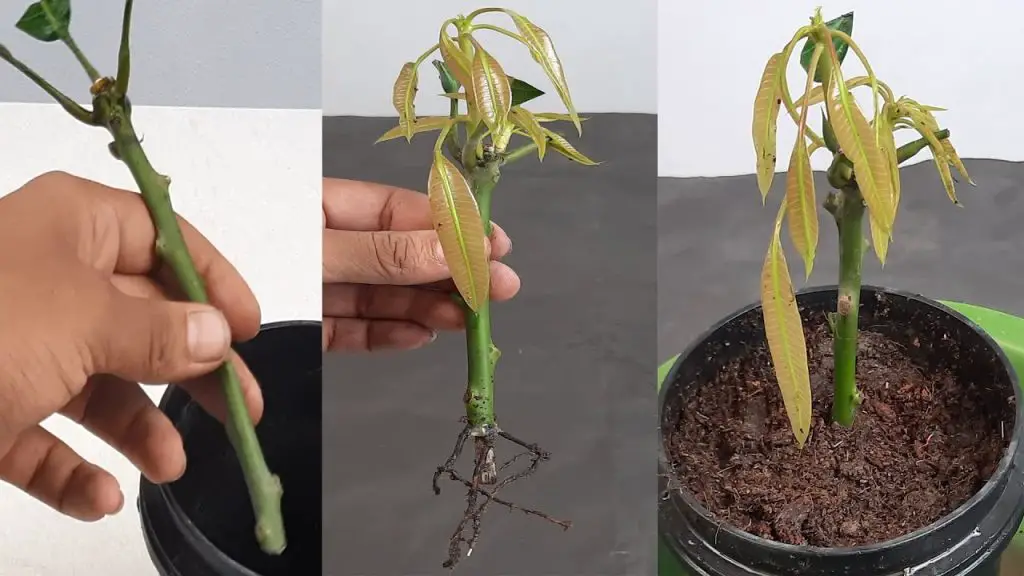
Why Propagate Mango Trees from Cuttings?
- Genetic Consistency: Propagating from cuttings ensures that the new tree will have the same traits as the parent plant, including fruit quality and disease resistance.
- Faster Growth: Cuttings often root faster than seeds germinate, allowing you to enjoy your mango tree sooner.
Materials Needed
To successfully propagate mango trees from cuttings, gather the following materials:
- Healthy Mango Tree: Choose a mature and disease-free mango tree as your source.
- Sharp Pruning Shears: To take clean cuts.
- Rooting Hormone: Optional, but can enhance root development.
- Potting Mix: A well-draining mix, such as a combination of peat moss and perlite.
- Plastic Bags or Humidity Dome: To maintain moisture levels.
Step-by-Step Guide to Mango Propagation from Cuttings
1. Select the Right Time
The best time to take mango cuttings is during the spring or early summer when the tree is actively growing.
2. Take the Cuttings
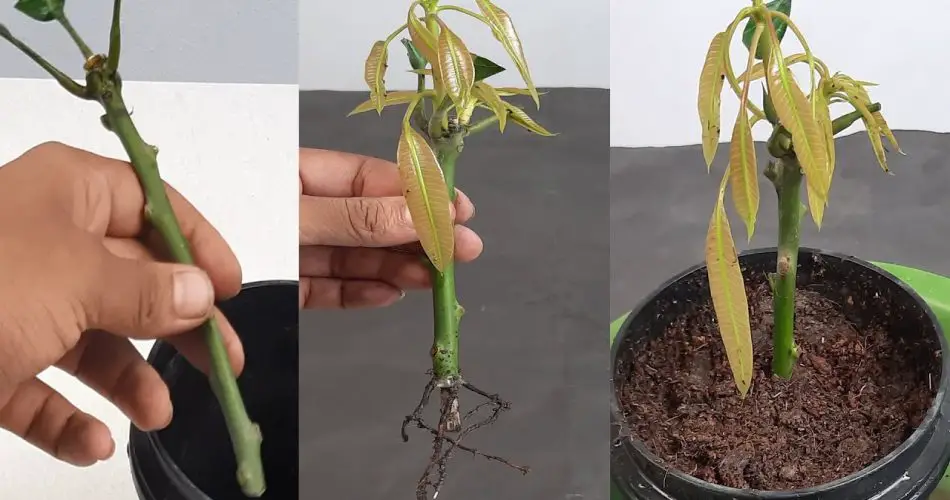
- Choose a Healthy Stem: Select a semi-hardwood stem that is about 6-12 inches long and has at least two nodes.
- Make the Cut: Use sharp pruning shears to cut just below a node. This will help with root development.
3. Prepare the Cuttings
- Remove Leaves: Trim any leaves from the lower half of the cutting to reduce moisture loss and focus energy on rooting.
- Apply Rooting Hormone: Dip the cut end of the stem in rooting hormone to promote faster root growth (optional).
4. Plant the Cuttings
- Prepare the Pot: Fill a small pot with your well-draining potting mix. Make sure it’s moist but not soggy.
- Insert the Cutting: Make a hole in the soil with a stick and gently place the cutting in, ensuring that at least one node is buried in the soil. Firm the soil around the base to provide support.
5. Create a Humid Environment
- Cover the Cutting: Use a plastic bag or a humidity dome to cover the pot. This helps maintain humidity, which is crucial for root development.
- Location: Place the pot in a warm, bright area with indirect sunlight.
6. Watering and Care
- Monitor Moisture: Keep the soil consistently moist but not waterlogged. Check regularly and mist the cutting if necessary.
- Ventilation: Remove the cover periodically to prevent mold and allow for air circulation.
7. Transplanting
- Check for Roots: After about 4-6 weeks, gently tug on the cutting. If you feel resistance, roots have developed.
- Transplant: Once rooted, you can transplant the cutting into a larger pot or directly into your garden.
Conclusion
Propagating a mango tree from cuttings is a rewarding and achievable gardening project. By following these steps and providing the right care, you can successfully grow a healthy mango tree with a high success rate. Enjoy the journey of nurturing your tree and look forward to the delicious fruits it will produce! Happy gardening!