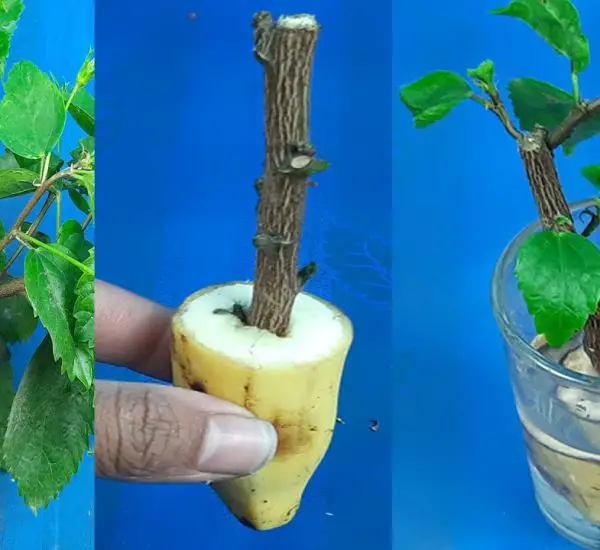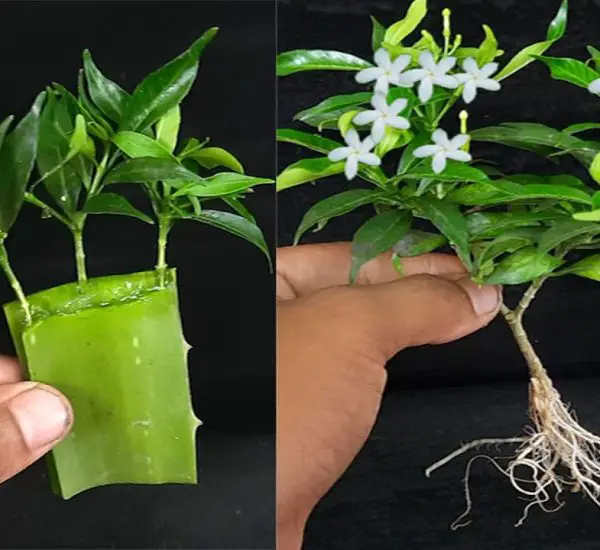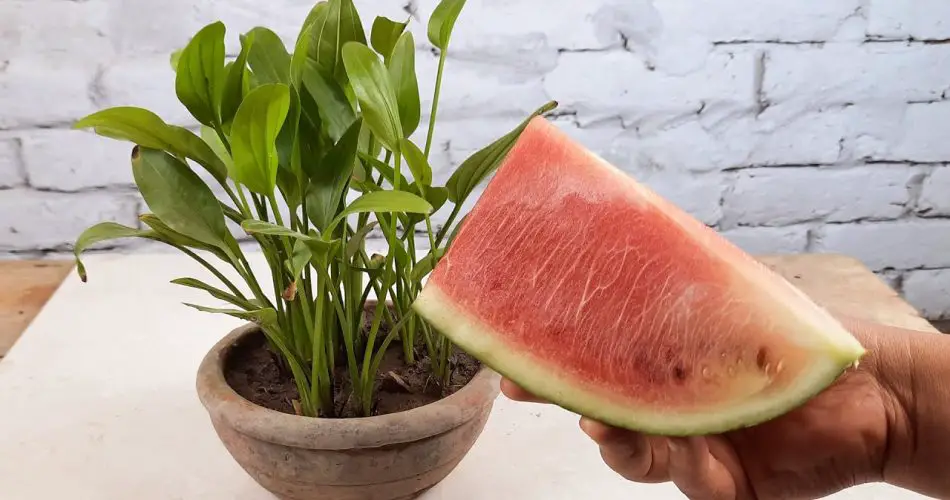
If you’re looking for a natural, eco-friendly way to nourish your plants, look no further than the humble watermelon rind! This often-discarded part of the fruit is packed with nutrients and makes an excellent fertilizer for a variety of plants. Discover how to create this amazing fertilizer at home and give your garden the boost it needs!
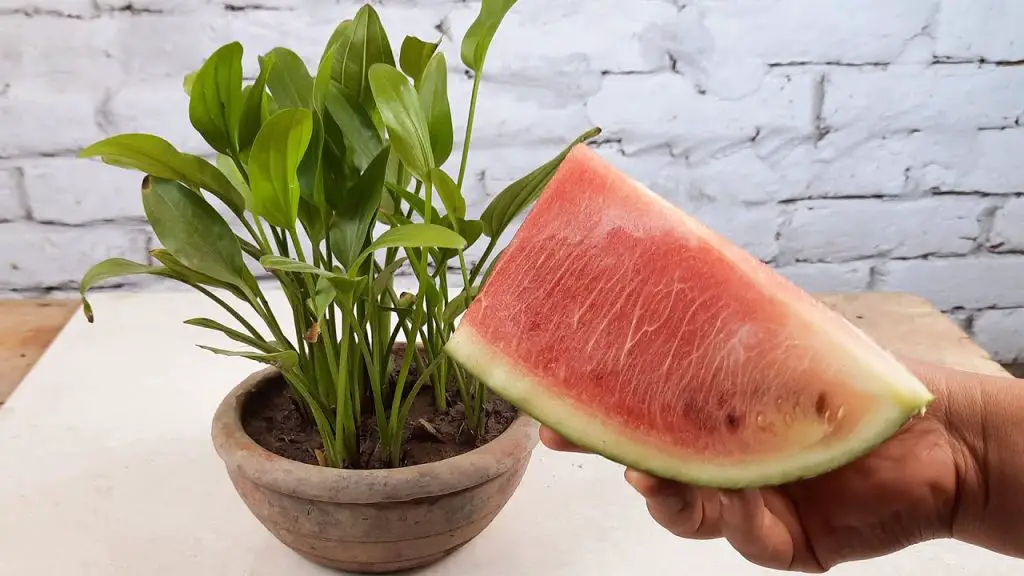
Why Use Watermelon Rind?
Nutritional Benefits
- Rich in Nutrients: Watermelon rind is high in calcium, potassium, and magnesium, which are essential for plant growth and development.
- Organic Matter: As a natural product, it enriches the soil, improving its structure and moisture retention.
- Eco-Friendly: By using watermelon rinds, you’re recycling kitchen waste, making it a sustainable choice for gardening.
How to Make Watermelon Rind Fertilizer
Ingredients You’ll Need
- Watermelon rinds (fresh and clean)
- Water
- A container (such as a bucket or jar)
- Blender (optional)
Step-by-Step Instructions
- Collect the Rinds:
- After enjoying your watermelon, save the rinds. Make sure to remove any fruit flesh to avoid attracting pests.
- Chop the Rinds:
- Cut the watermelon rinds into small pieces. This helps them break down faster.
- Blend (Optional):
- For a quicker release of nutrients, you can blend the chopped rinds with 2-3 cups of water until you achieve a smooth mixture.
- Mix with Water:
- If you didn’t blend the rinds, place the chopped pieces into a container and add enough water to cover them. Let the mixture sit for 24-48 hours to steep.
- Strain the Liquid:
- After steeping, strain the liquid using a fine mesh or cheesecloth into another container. This will give you a nutrient-rich liquid fertilizer.
- Store:
- Store the liquid in a cool, dark place. Use it within 1-2 weeks for optimal effectiveness.
How to Use Watermelon Rind Fertilizer
Application Tips
- Dilution: For sensitive plants, dilute the liquid fertilizer with an equal amount of water before applying.
- Frequency: Apply every 2-4 weeks during the growing season for best results.
- Method of Application: Use it as a soil drench by pouring it around the base of the plants, avoiding contact with the leaves.
Ideal Plants for Watermelon Rind Fertilizer
- Vegetables: Excellent for tomatoes, peppers, and leafy greens.
- Flowers: Promotes vibrant blooms in marigolds, petunias, and zinnias.
- Houseplants: Beneficial for indoor plants like pothos, snake plants, and peace lilies.
Conclusion
Making fertilizer from watermelon rind is not only a great way to recycle kitchen scraps, but it also provides your plants with essential nutrients they crave. This easy and effective homemade fertilizer can lead to healthier, more robust plants, making it one of the best fertilizers you can use at home. Try it today and watch your garden thrive!
Show Comments