Grafting is a gardening technique that allows you to combine different plant varieties onto a single rootstock. One fascinating and visually striking application of this technique is multiple flower grafting on a single hibiscus plant. By grafting various hibiscus varieties with different flower colors or types, you can create a unique and vibrant garden display. Here’s how you can successfully graft multiple flowers onto a single hibiscus plant.
Why Graft Multiple Flowers on a Single Hibiscus Plant?
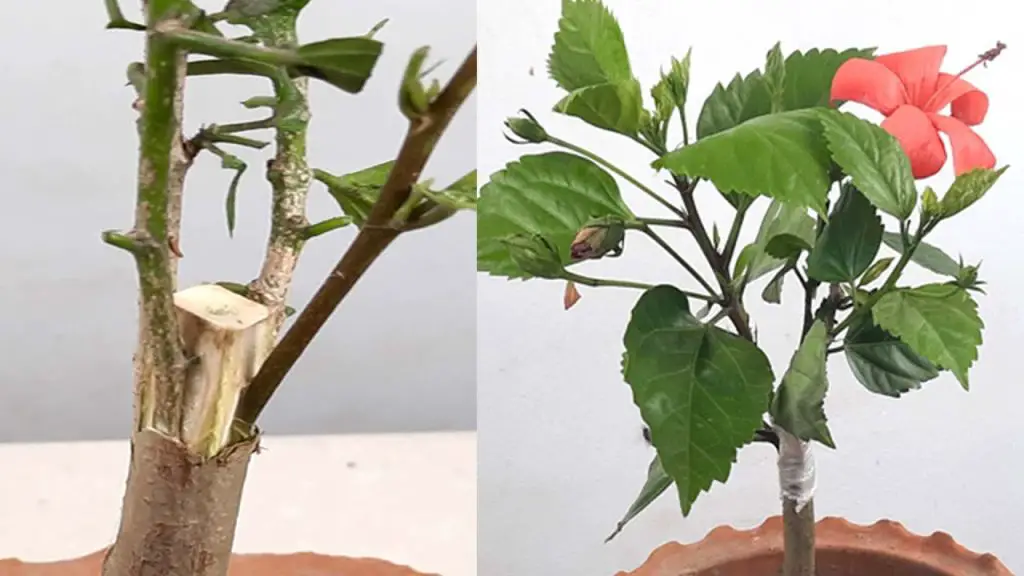
Grafting multiple flowers onto a hibiscus plant offers several benefits:
- Variety in Bloom: Grafting different hibiscus flowers onto the same plant allows you to enjoy multiple colors and flower types without having to plant separate bushes. Imagine having red, pink, yellow, and white flowers blooming from a single hibiscus tree!
- Space-Saving: If you’re limited on space, grafting several varieties onto one plant helps you create a diverse garden display in a smaller area.
- Stronger, Healthier Plant: The rootstock of a hibiscus plant provides stability, resilience, and strength, allowing for more robust flower growth. Each grafted flower will benefit from this strong foundation.
- Unique Aesthetic Appeal: A single hibiscus plant covered in multiple flower types creates a stunning, multi-colored effect that will be the focal point of your garden.
How to Graft Multiple Flowers onto a Single Hibiscus Plant
Here’s a step-by-step guide to successfully grafting multiple flowers onto a single hibiscus plant.
1. Choose the Right Hibiscus Rootstock
The first step in grafting multiple flowers onto a hibiscus is selecting a healthy rootstock. The rootstock is the base plant that will provide the foundation for all the grafts. Make sure your rootstock has:
- A strong root system for stability.
- Healthy growth, free from diseases.
- A mature trunk or stem, preferably 1-2 years old, as this will give the grafts the best chance to succeed.
You can use a tropical hibiscus or a hardy hibiscus, depending on your climate and garden needs.
2. Select the Flower Varieties for Grafting
Choose hibiscus varieties with different flower colors, shapes, or sizes that you want to graft onto the rootstock. Some common hibiscus varieties to consider include:
- Red Hibiscus: Known for its vibrant, deep red flowers.
- Pink Hibiscus: Lighter in color, offering soft and delicate blooms.
- Yellow Hibiscus: A bright, cheerful variety with large flowers.
- White Hibiscus: Elegant and pure, providing a contrasting flower.
Ensure that the varieties you select are compatible with each other and the rootstock to ensure a successful grafting process.
3. Prepare the Grafting Tools
Grafting requires sharp and clean tools to avoid damaging the plant. Gather the following supplies:
- Sharp grafting knife for clean cuts.
- Grafting tape to secure the scion to the rootstock.
- Grafting wax to seal the graft and prevent infection.
- Pruning shears for cutting back the rootstock and preparing the grafts.
Ensure all tools are sanitized to prevent the transfer of diseases.
4. Making the Grafts
Now that your rootstock and scion (the part of the plant you’ll be grafting) are ready, it’s time to start grafting. Here’s how you can graft each flower variety onto the hibiscus rootstock:
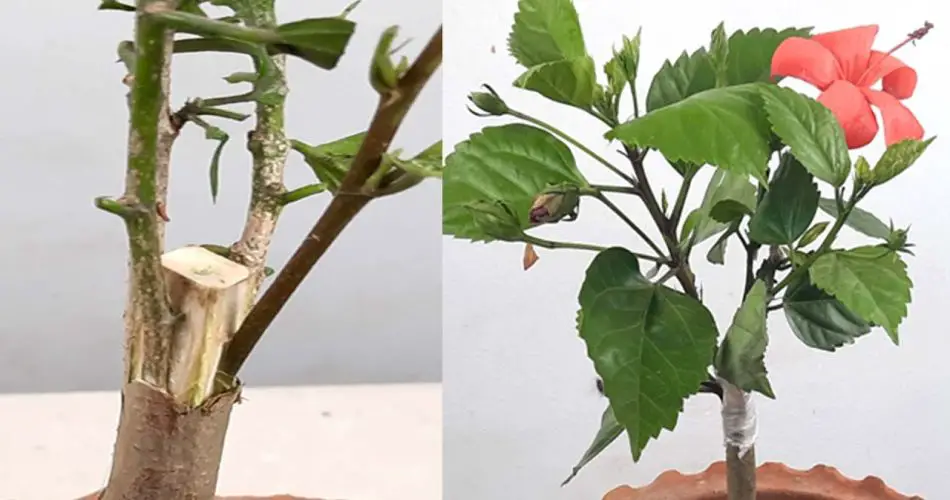
- Make the Cut on the Rootstock: Using the grafting knife, make a small incision on the rootstock stem, just above a leaf node. This cut should be clean and angled to allow the scion to fit well.
- Prepare the Scion: Select a healthy stem or cutting from the hibiscus variety you want to graft. The scion should be about 4-6 inches long and have a few healthy buds or leaves. Trim the bottom of the scion to match the shape of the cut you made on the rootstock.
- Insert the Scion into the Rootstock: Carefully place the scion into the incision on the rootstock. The cambium layers (the soft, green tissue just under the bark) of both the scion and rootstock should align to ensure a successful graft.
- Secure the Graft: Once the scion is in place, wrap the graft with grafting tape to hold it tightly and prevent movement. This will help the scion integrate with the rootstock as they heal.
- Seal the Graft: Apply grafting wax to seal the wound and protect the graft from infection and dehydration.
- Repeat the Process for Multiple Grafts: If you are grafting several different flowers, repeat the process for each scion. You can place multiple grafts on the same rootstock, each at a different height, to create a layered effect of different flowers.
5. Caring for the Grafted Hibiscus Plant
After grafting, your hibiscus plant will need special care to ensure the grafts succeed and the plant thrives:
- Water Regularly: Keep the plant well-watered, but avoid overwatering. Ensure the soil is well-draining, as excess water can lead to root rot.
- Provide Partial Shade: Newly grafted plants can be sensitive to direct sunlight. Place your hibiscus in a location with filtered sunlight for the first few weeks after grafting to help the plant acclimate.
- Monitor for Pests and Diseases: Keep an eye out for any signs of pests or diseases, and treat them promptly to avoid compromising the grafts.
- Remove Grafting Tape: After 2-4 weeks, once the grafts have successfully taken, carefully remove the grafting tape. This will allow the plant to grow freely.
6. Prune for Shape and Growth
Once the grafts have started to grow, you can prune the plant to encourage healthy development and shape. Remove any unwanted shoots or branches to help the grafts thrive and prevent overcrowding.
Benefits of Grafting Multiple Flowers on a Hibiscus Plant
- Colorful Display: Enjoy multiple colors and varieties from one plant, making your garden vibrant and diverse.
- Space Efficiency: Save space in your garden by combining several flower varieties into one plant.
- Unique Look: Stand out with a hibiscus plant that features a combination of different flower shapes and colors, offering a custom and one-of-a-kind appearance.
- Increased Resilience: By grafting onto a strong rootstock, you ensure that your hibiscus plant remains healthy, disease-resistant, and able to adapt to various environmental conditions.
Conclusion
Grafting multiple flowers onto a single hibiscus plant is an exciting and creative way to enhance your garden. By carefully selecting compatible varieties and using proper grafting techniques, you can create a stunning plant that offers diverse colors and blooms. Whether you’re a seasoned gardener or just starting, this grafting method will help you enjoy a vibrant, space-saving, and unique hibiscus plant that stands out in your garden.