If you’re looking to grow beautiful roses without using soil, you’re in luck! There are a variety of propagation methods that allow you to grow rose plants from cuttings, and some of them don’t require soil at all. This method is not only easy but also an innovative way to propagate roses with minimal materials. In this article, we’ll walk you through the steps to successfully propagate rose cuttings without using soil, using simple materials you likely already have at home.
Why Propagate Roses Without Soil?
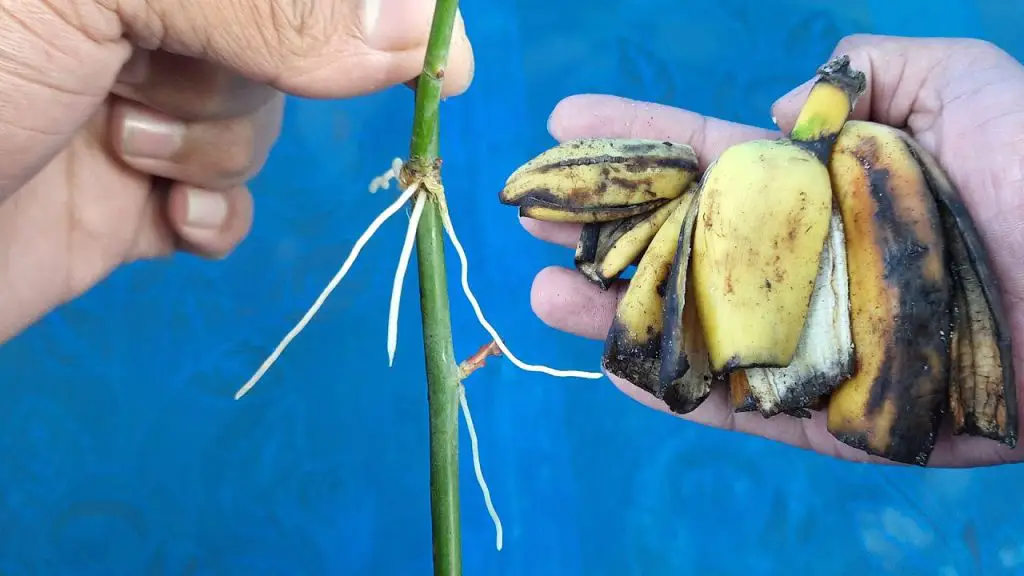
Propagating roses without soil offers several benefits:
- Space-saving: This method is perfect for people with limited garden space or those who want to grow plants indoors.
- Cleaner: There’s no need to worry about messy soil, making it ideal for indoor environments.
- Cost-effective: You can save money on soil and gardening tools.
- Faster Rooting: Some rose cuttings root faster in water than in soil, especially when placed in ideal conditions.
Materials You’ll Need:
Before you get started, gather these materials:
- Healthy rose cutting (preferably from a healthy plant)
- Water (for rooting the cutting)
- A glass jar or container (to hold the water)
- Clear plastic bag or plastic wrap (optional, to create a mini greenhouse effect)
- Sharp, clean scissors or pruning shears (to cut the rose)
- A warm, bright location (but not direct sunlight)
Step-by-Step Guide to Propagate Rose Cuttings Without Soil:
Step 1: Choose the Right Rose Cutting
To begin, choose a healthy, disease-free rose from a mature plant. Look for a stem that is about 4-6 inches long and has several leaf nodes (the small bumps along the stem). Avoid using stems that have flowers or buds, as they may take longer to root.
Tip: It’s best to take cuttings in the early morning when the plant is well-hydrated, as it will be in its most robust state.
Step 2: Prepare the Rose Cutting
Using your sharp scissors or pruning shears, cut the stem at a 45-degree angle, just below a leaf node. Remove any leaves from the lower part of the cutting to prevent them from touching the water. Be sure to leave a few leaves at the top of the stem, as they will help the cutting grow. You can also dip the bottom of the cutting in rooting hormone (optional) to encourage faster root growth.
Step 3: Place the Cutting in Water
Next, place the cutting in a glass jar or container filled with water, ensuring that only the bottom part of the stem is submerged. Avoid having any leaves in the water, as this can cause rot. The water should cover the nodes where the roots will form. Place the jar in a bright location that gets indirect sunlight, but not direct sunlight, as it may scorch the cutting.
Step 4: Create a Mini Greenhouse (Optional)
To help retain moisture and create a humid environment for the cutting, cover the top of the jar with a clear plastic bag or plastic wrap. This will keep the cutting warm and promote faster root development. Make sure to create small holes in the plastic to allow for air circulation, which helps prevent mold and rot.
Step 5: Wait for Roots to Grow
Be patient! It may take several weeks for the rose cutting to develop roots. Check the cutting periodically and change the water every 2-3 days to keep it fresh. In the right conditions, you should see roots starting to form within 2-4 weeks.
Step 6: Transplant the Rose Cutting
Once the cutting has developed strong roots (usually when they are about 2-3 inches long), it’s time to transplant it into soil. While we are propagating the rose without soil initially, soil is still necessary for the plant to grow strong and healthy over time. Carefully plant your rooted rose cutting in a small pot with well-draining soil. Water the newly planted cutting and place it in a bright location with indirect sunlight.
Tips for Successful Rose Propagation Without Soil:
- Temperature: Roses root best in temperatures between 65°F and 75°F (18°C to 24°C). Ensure the cutting is kept in a warm, consistent environment.
- Clean Water: Always use clean water to avoid contamination and fungal growth.
- Avoid Direct Sunlight: Direct sunlight can stress the cutting and slow down the rooting process.
- Humidity: Keeping the cutting in a humid environment (like with a plastic bag) can help speed up the process.
- Patience: Rose cuttings can take several weeks to root, so be patient and monitor them carefully.
Conclusion
Propagation of roses without soil is a simple, cost-effective, and efficient way to grow new rose plants. Whether you want to expand your garden or share beautiful roses with others, this method will help you successfully grow roses from cuttings. By following these easy steps and ensuring the right growing conditions, you can enjoy a bountiful supply of vibrant roses right from your own home.
So, why not try propagating roses without soil today? It’s a fun project that yields beautiful results!