Lemon trees are a fantastic addition to any garden or home, offering fresh fruit and a wonderful scent. If you have a healthy lemon tree and want to propagate it, one simple method involves using cuttings and apple peel to encourage root growth. This unique propagation method can be done in just a few easy steps, and you can do it right at home. In this article, we’ll guide you through the process of propagating lemon cuttings with water and apple peel to grow your very own lemon tree.
Why Use Apple Peel for Lemon Cutting Propagation?
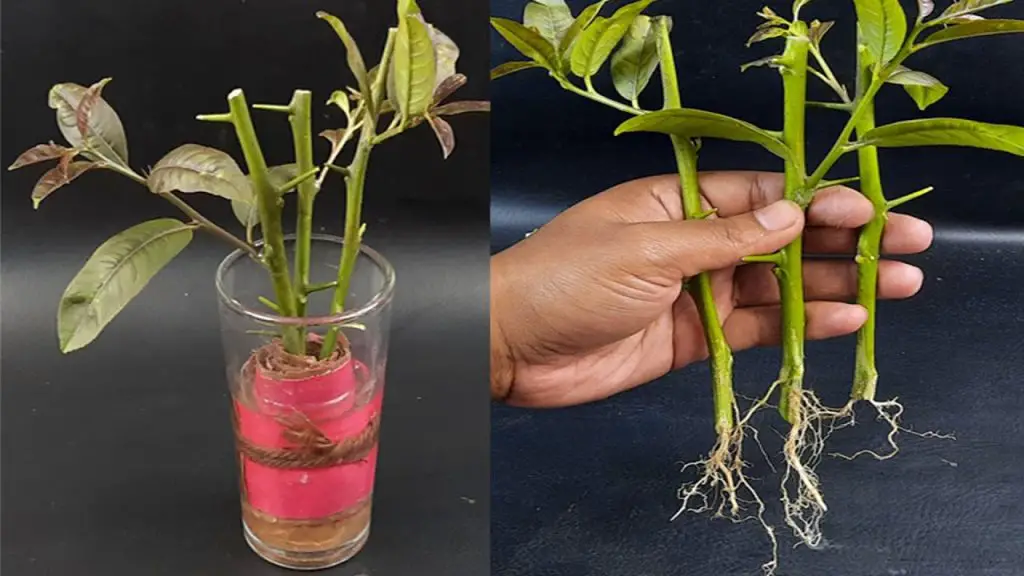
Apple peel is often overlooked as a gardening tool, but it contains essential nutrients that can aid in the rooting process. It is rich in natural sugars and vitamins that encourage root growth in plant cuttings. When paired with water, apple peel provides a natural rooting stimulant, helping lemon cuttings develop healthy roots more quickly. This method is not only eco-friendly but also a cost-effective way to propagate lemon trees.
Materials You’ll Need:
- Healthy lemon cutting (from a mature lemon tree)
- Sharp scissors or pruning shears
- Clean glass jar or container (for rooting)
- Fresh apple peel (from a ripe apple)
- Water (to fill the jar)
- Clear plastic wrap or plastic bag (optional, for humidity)
- Rooting hormone (optional, for extra support)
Step-by-Step Guide: How to Propagate Lemon Cuttings with Water and Apple Peel
Step 1: Select and Prepare the Lemon Cutting
- Choose a healthy lemon stem: Select a healthy lemon cutting from a mature tree. The cutting should be about 4-6 inches long and have at least one node (the area where leaves grow). The cutting should not be too soft or too old, but rather semi-woody.
- Trim the cutting: Use clean, sharp scissors or pruning shears to make a clean cut just below the node. Remove any leaves from the lower part of the cutting to prevent them from rotting in the water.
Step 2: Prepare the Apple Peel
- Peel the apple: Choose a ripe apple and peel it, ensuring the peel is fresh and intact. The apple peel contains natural sugars and compounds that can help stimulate root development.
- Cut the peel: Slice the apple peel into small pieces. You can either use the peel directly or steep it in water to create a nutrient-rich solution.
Step 3: Place the Lemon Cutting in Water
- Fill a glass jar: Choose a clean glass jar or container and fill it with fresh water. Ensure that the water is deep enough to submerge the cut end of the lemon cutting, but the leaves should remain above the water line.
- Add the apple peel: Drop the apple peel pieces into the water with the lemon cutting. The apple peel will release its nutrients into the water, giving the cutting the extra boost it needs to grow roots.
- Optional – Add rooting hormone: If you want to give the cutting an additional boost, you can dip the cut end of the lemon stem in rooting hormone before placing it in the water. This step is optional, but it can help speed up the process.
Step 4: Place the Jar in Indirect Sunlight
- Position the jar: Place the jar with the lemon cutting in a location that receives indirect sunlight. Too much direct sunlight can stress the cutting, so make sure it gets gentle light to encourage growth.
- Cover with plastic (optional): If you want to increase the humidity around the cutting, you can cover the jar with a plastic bag or plastic wrap to create a mini greenhouse effect. This will help retain moisture and keep the cutting from drying out.
Step 5: Maintain Water Levels and Monitor Root Growth
- Change the water regularly: Every few days, change the water to keep it fresh and to prevent any mold or bacteria from forming. Be sure to replace the water with fresh, clean water.
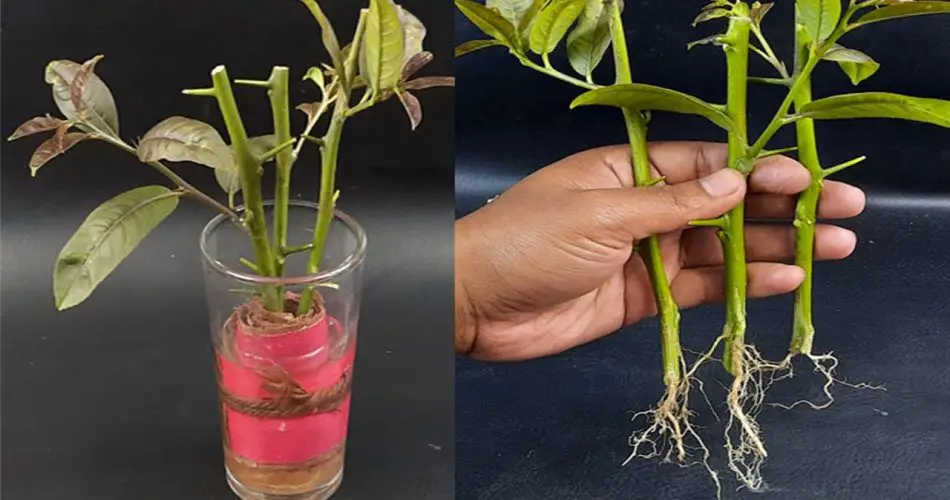
- Monitor for roots: Over the next 2-4 weeks, keep an eye on the cutting. You should begin to see roots forming at the cut end. Once the roots are around 1-2 inches long, your cutting is ready to be transplanted.
Step 6: Transplant the Lemon Cutting
- Prepare a pot with soil: After the lemon cutting has developed a strong root system, it’s time to transplant it into a small pot with well-draining soil. A good mix for lemon trees is one that retains moisture but allows for proper drainage.
- Plant the cutting: Gently plant the rooted lemon cutting in the pot, ensuring the roots are covered with soil but the stem is still above the surface. Press the soil around the base of the cutting to secure it in place.
- Water lightly: After planting, water the cutting lightly to help it settle into the soil. Keep the soil moist, but not soaked, until the cutting establishes itself.
Benefits of Using Apple Peel in Lemon Cutting Propagation
- Natural rooting stimulant: The natural sugars and nutrients in the apple peel provide an extra source of nutrition that encourages the cutting to root quickly.
- Eco-friendly: Using apple peel reduces waste and utilizes what would otherwise be discarded, making it a sustainable method of plant propagation.
- Affordable: This method is cost-effective, as you don’t need to purchase commercial rooting hormones or expensive tools.
Tips for Success
- Patience is important: Rooting lemon cuttings can take several weeks, so be patient and allow the roots to develop properly.
- Use clean water: Always use clean water to prevent mold or bacteria from interfering with the rooting process.
- Monitor for pests: While propagating, keep an eye out for pests or mold that might affect the cutting, and take action if necessary.
Conclusion
Propagating lemon cuttings with water and apple peel is a simple, effective, and eco-friendly method to grow a new lemon tree. By following these easy steps and being patient, you can successfully propagate a lemon cutting and enjoy the fruits of your labor. Whether you’re an experienced gardener or a beginner, this method is an accessible and rewarding way to grow your own lemon tree at home.