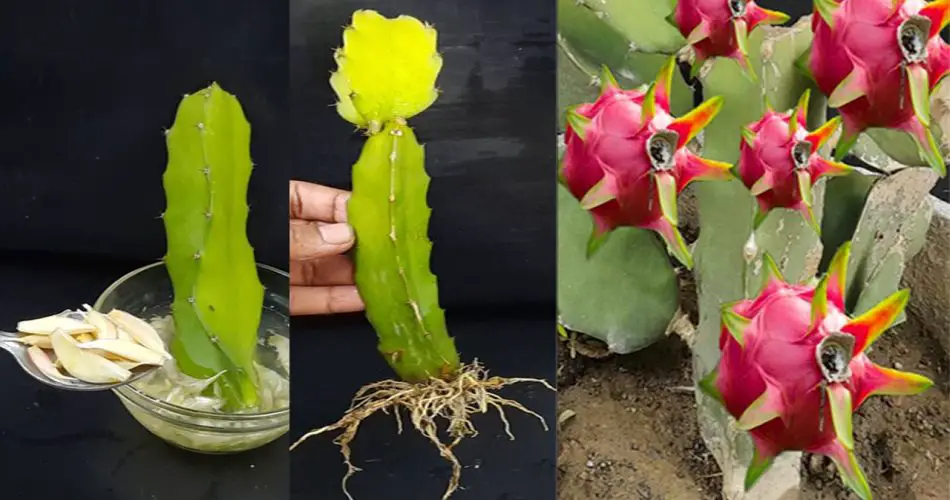
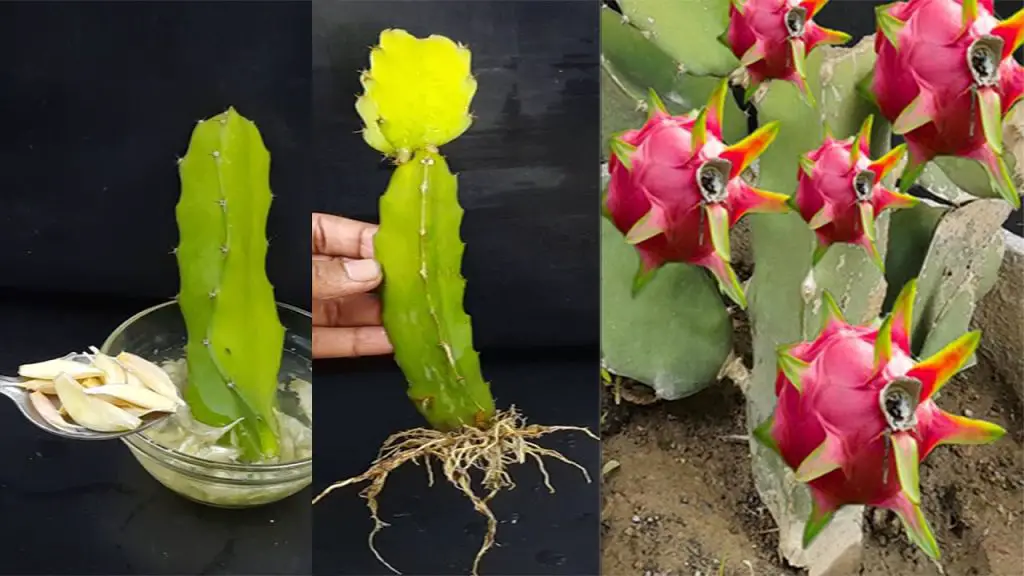
Dragon fruit, also known as pitaya, is a delicious and vibrant tropical fruit with a unique appearance. It’s not only a treat for the taste buds but also a visually stunning plant to grow. One of the most popular ways to propagate dragon fruit is by using cuttings. With the right preparation, you can successfully root dragon fruit cuttings and watch them grow into healthy, fruit-producing plants. In this article, we’ll guide you through the process of preparing dragon fruit cuttings to root successfully.
1. Why Propagate Dragon Fruit with Cuttings?
Propagating dragon fruit with cuttings is the most common method, as it’s quicker and more reliable than growing from seeds. Some reasons to choose this method include:
- Faster growth: Cuttings already have established tissue, so they root and grow faster than seeds.
- Consistency: Propagating by cuttings ensures the new plant will be genetically identical to the parent, preserving desirable traits such as fruit quality and plant vigor.
- Easy method: Rooting dragon fruit cuttings is relatively simple and requires few materials.
2. Selecting the Right Cuttings
The success of rooting dragon fruit cuttings starts with selecting the right piece of the plant. Here are some tips for choosing healthy cuttings:
- Choose mature, healthy stems: Select a stem that is firm, healthy, and free from disease. Ideally, the cutting should be at least 6-8 inches long and contain at least 3-4 segments of the cactus.
- Avoid overripe or damaged stems: Overripe or damaged cuttings are less likely to root successfully, so choose stems that appear strong and green.
- Look for thicker sections: Cuttings from the thicker parts of the stem tend to root more effectively, as they have more nutrients stored to support the rooting process.
3. Preparing the Cuttings
Once you’ve selected the right cutting, the next step is to prepare it properly for rooting. Here’s how:
Step 1: Make a Clean Cut
- Use a sharp, clean knife or pruning shears to cut a healthy stem from the parent plant. Make sure the cut is straight and clean to reduce the risk of infection.
- Cut the stem at a 45-degree angle, which helps the cutting absorb water and nutrients more efficiently.
Step 2: Let the Cutting Dry
- After cutting, it’s important to let the cutting dry out for 2-3 days before planting. This drying process allows the cut surface to form a callus, which helps protect the cutting from rot and fungal infections when it’s placed in soil or water.
- Place the cutting in a dry, shaded area with good airflow during the drying process.
Step 3: Optional – Dip in Rooting Hormone
- Although not always necessary, you can dip the cut end of the cutting in a rooting hormone to promote faster and more successful rooting. Rooting hormone contains natural or synthetic substances that stimulate the growth of roots.
- If you choose to use rooting hormone, make sure to follow the instructions on the product for the best results.
4. Rooting Dragon Fruit Cuttings in Soil
While dragon fruit cuttings can root in water, rooting them in soil is often a more reliable method. Here’s how to do it:
Step 1: Prepare the Pot and Soil
- Choose a well-draining pot with drainage holes to prevent excess moisture from accumulating at the bottom.
- Use a light, well-draining soil mix. A mix of cactus soil or a combination of sand and perlite is ideal. Dragon fruit plants don’t like heavy, moisture-retaining soils, as this can lead to root rot.
- Fill the pot with soil, leaving a small space at the top for watering.
Step 2: Insert the Cutting into the Soil
- Gently insert the cut end of the dragon fruit cutting into the prepared soil. The cutting should be planted about 2-3 inches deep in the soil to anchor it properly.
- Firm the soil around the cutting to hold it in place.
Step 3: Watering the Cutting
- Lightly water the soil around the cutting to settle it and provide initial moisture.
- Avoid overwatering at this stage. The soil should be kept moist but not soggy. Watering too much can cause the cutting to rot before it roots.
5. Rooting Dragon Fruit Cuttings in Water
Alternatively, you can root dragon fruit cuttings in water. Here’s how to do it:
Step 1: Prepare the Cutting
- Follow the same steps as above to cut and dry the cutting for a few days.
Step 2: Place the Cutting in Water
- After the cutting has dried and formed a callus, place the cut end of the cutting in a container of water. The cutting should be partially submerged, with only the cut end in the water.
- Change the water every 2-3 days to keep it clean and prevent the growth of bacteria or algae.
Step 3: Wait for Roots to Develop
- Over time, the cutting will begin to grow roots. This may take a few weeks, so be patient.
- Once the roots are about 1-2 inches long, the cutting is ready to be transplanted into soil.
6. Transplanting the Rooted Cutting
Once your dragon fruit cutting has developed a strong root system, it’s time to transplant it into its final growing spot.
Step 1: Choose the Right Spot
- Select a location that receives full sunlight for most of the day, as dragon fruit plants need lots of light to thrive and produce fruit.
- Make sure the location has well-draining soil, as dragon fruit does not tolerate standing water.
Step 2: Transplant the Cutting
- Gently remove the rooted cutting from its pot or water container, being careful not to damage the delicate roots.
- Place the cutting into a hole that is about twice the size of the root ball.
- Fill in the hole with soil and gently press it down around the base of the plant to remove air pockets.
Step 3: Water and Care for the Plant
- Water the newly transplanted cutting lightly to settle the soil around the roots.
- Continue to water the plant regularly, but allow the soil to dry out slightly between waterings to prevent root rot.
- Fertilize the plant every 6-8 weeks with a balanced fertilizer to support growth.
7. Tips for Success
- Patience: Dragon fruit cuttings can take several weeks to a few months to fully root, so patience is key.
- Proper lighting: Ensure the cutting receives plenty of indirect sunlight while it is rooting. Too much direct sun can cause the cutting to dry out too quickly.
- Temperature: Dragon fruit prefers warm temperatures between 70-85°F (21-29°C), so ensure your plant is in an environment with adequate warmth.
8. Conclusion
Preparing dragon fruit cuttings to root successfully is a simple process, but it requires patience and attention to detail. By selecting the right cuttings, allowing them to dry properly, and rooting them in either soil or water, you can grow your very own dragon fruit plant. With the right care, you’ll be rewarded with a beautiful, fruitful cactus that produces delicious dragon fruit for years to come.