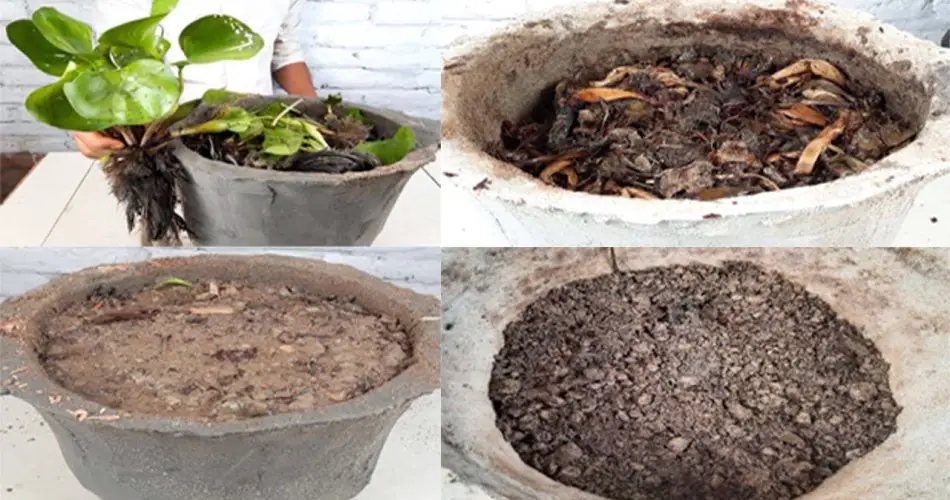
Creating compost from water hyacinth is a sustainable way to recycle this aquatic plant while enriching your garden soil. Known for its rapid growth, water hyacinth can provide valuable organic matter that enhances soil fertility. Here’s a step-by-step guide on how to make water hyacinth compost at home.
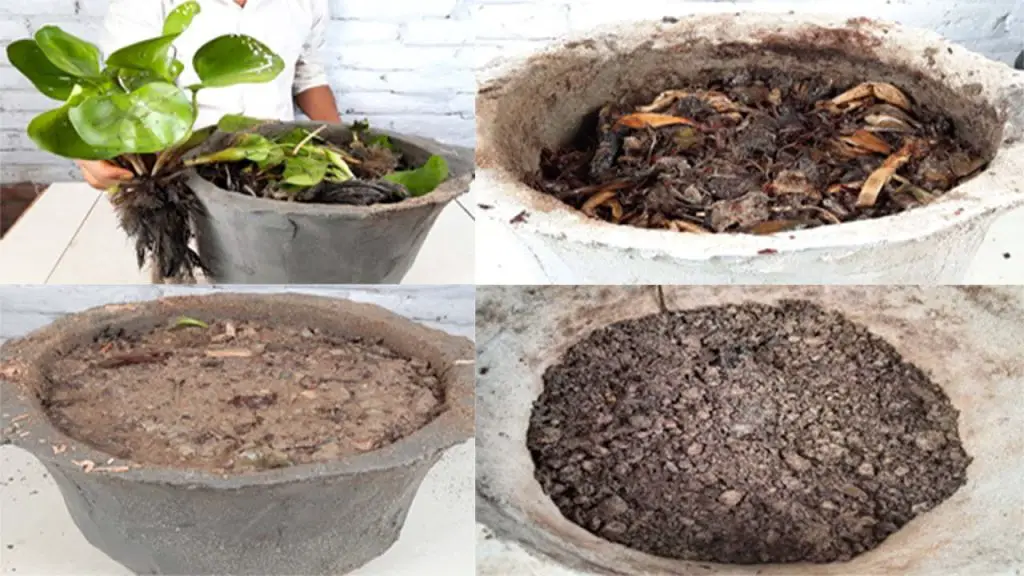
1. Gather Materials
Start by collecting the necessary materials:
- Water Hyacinth: Harvest healthy, green plants from ponds, lakes, or water gardens.
- Brown Materials: Include dried leaves, straw, or cardboard to balance the nitrogen-rich water hyacinth.
- Compost Bin: Use a compost bin or create a simple pile in a designated area.
2. Prepare the Water Hyacinth
Before composting, it’s essential to prepare the water hyacinth:
- Wash Thoroughly: Rinse the plants to remove any debris, soil, or pests.
- Chop into Smaller Pieces: Cut the plants into smaller segments (about 6-12 inches) to accelerate decomposition.
3. Layering the Compost
Layering is key to effective composting:
- Start with Brown Materials: Add a layer of brown materials at the bottom of your compost bin or pile. This helps with aeration and drainage.
- Add Water Hyacinth: Place a layer of prepared water hyacinth on top of the brown materials.
- Alternate Layers: Continue to alternate between layers of brown materials and water hyacinth, maintaining a balanced ratio of 2:1 (brown to green).
4. Maintain the Compost
To ensure successful composting, regular maintenance is essential:
- Moisture Levels: Keep the compost moist but not soggy. Water the pile as needed, especially during dry periods.
- Aeration: Turn the compost every 1-2 weeks to promote airflow and speed up decomposition. This helps break down the materials more efficiently.
5. Monitor the Composting Process
Watch for signs of decomposition:
- Heat Generation: A well-maintained compost pile will generate heat. If it cools down, turn it to introduce more oxygen.
- Timeframe: The composting process can take 6-12 weeks, depending on environmental conditions and maintenance.
6. Harvest the Compost
Once the compost has broken down into a dark, crumbly texture, it’s ready to use:
- Screen the Compost: Sift through the compost to remove any large, undecomposed pieces. You can return these to the bin for further breakdown.
- Application: Use the finished water hyacinth compost to enrich garden beds, potting mixes, or as a top dressing for plants.
Conclusion
Making water hyacinth compost at home is a fantastic way to recycle this abundant aquatic plant while enhancing your garden’s health. By following these steps—gathering materials, preparing the plants, layering, and maintaining the compost—you can create rich, organic matter that benefits your soil and plants. Start composting today and enjoy the rewards of sustainable gardening!