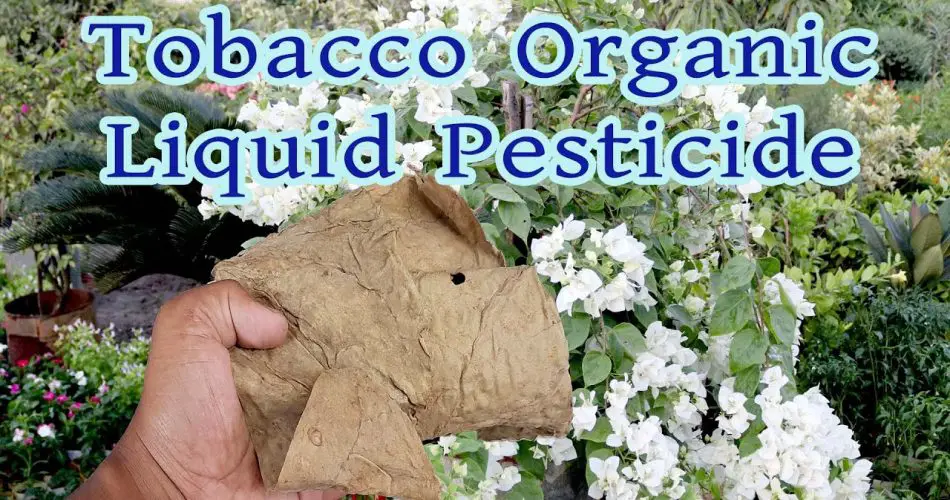
Are you looking for an organic pesticide for your garden that is both effective and safe? Tobacco liquid pesticide is a natural solution that can help you manage pests in your garden without resorting to harsh chemicals. In this article, we’ll walk you through the process of making your own tobacco-based pesticide from tobacco leaves and how to use it in your gardening routine.
Why Choose Tobacco Liquid Pesticide?
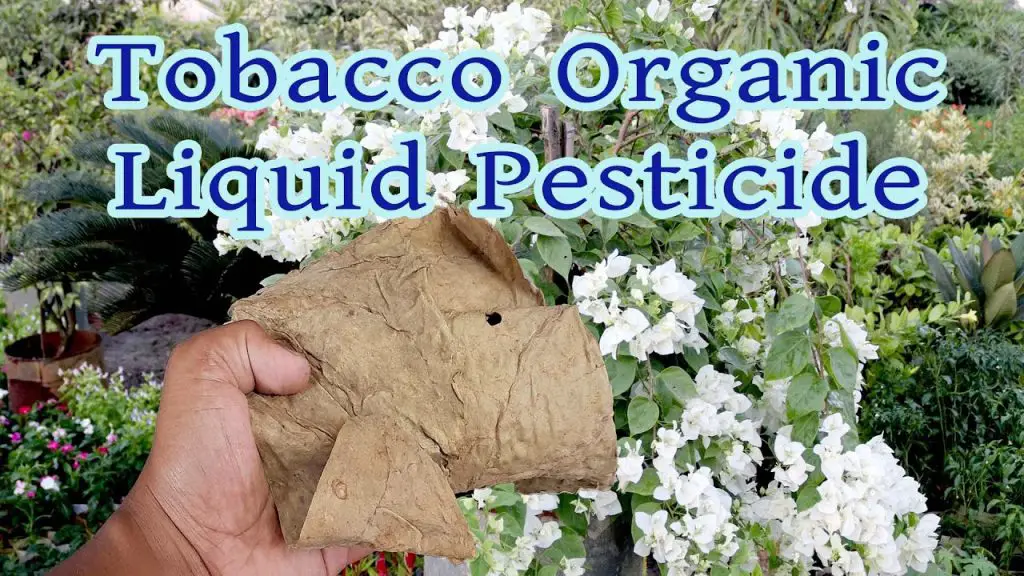
Tobacco contains nicotine, a natural alkaloid that acts as a toxic agent for many pests. By using tobacco leaves to create a liquid pesticide, you can take advantage of the insect-repelling properties of nicotine, making it an excellent choice for keeping your plants safe from unwanted insects like aphids, whiteflies, and caterpillars. It’s a great alternative to chemical pesticides that can be harmful to the environment and non-target organisms.
Materials Needed to Make Tobacco Liquid Pesticide:
- Tobacco leaves (dried or fresh)
- Water
- A container (such as a bucket or large jar)
- Cheesecloth or a fine strainer
- Rubber gloves (for safety)
- Spray bottle (for easy application)
Step-by-Step Guide to Making Tobacco Liquid Pesticide:
1. Gather the Tobacco Leaves
You can use tobacco leaves from a local store or garden center, or if you have access to tobacco plants, you can collect the leaves yourself. Fresh tobacco leaves are ideal, but dried leaves can work as well. You’ll need about 1 cup of leaves to make enough pesticide for a small garden.
2. Prepare the Tobacco Leaves
If you are using dried tobacco leaves, break them into smaller pieces. This will help release the nicotine more effectively when it soaks in the water. If you are using fresh leaves, simply chop them into small, manageable pieces.
3. Soak the Leaves in Water
Place the chopped tobacco leaves into a container, and cover them with about 1 liter of water. The more water you use, the more diluted the pesticide will be, so adjust according to the size of your garden and the concentration you desire. Stir the mixture well to ensure that the leaves are fully submerged.
4. Steep the Tobacco Leaves
Allow the tobacco leaves to soak in the water for 24-48 hours. The longer you allow the leaves to steep, the stronger the pesticide will be. Stir the mixture every few hours to help release the nicotine from the leaves.
5. Strain the Mixture
After the steeping period, strain the liquid to remove the solid tobacco leaves. You can use cheesecloth or a fine mesh strainer to ensure a smooth liquid. Discard the solid tobacco leaves, as they are no longer needed.
6. Dilute the Solution (Optional)
If the liquid pesticide is too concentrated, you can dilute it with more water. Diluting will help prevent damage to your plants, as pure tobacco extract can be too strong. Start with a 1:1 ratio (equal parts water and tobacco solution) and adjust depending on the strength you need.
7. Transfer to a Spray Bottle
Pour the diluted or undiluted tobacco solution into a spray bottle. This will make it easier to apply to your plants and target specific areas with pest problems.
How to Use Tobacco Liquid Pesticide in the Garden:
- Identify pest-infested areas: Inspect your garden for pests like aphids, mealybugs, and whiteflies. Focus on leaves, stems, and under the leaves where insects tend to hide.
- Spray the solution: Wearing rubber gloves, spray the tobacco solution directly onto the affected areas of your plants. Make sure to cover both the tops and bottoms of the leaves, as well as any stems or flowers that are infested.
- Repeat as necessary: Tobacco liquid pesticide can be reapplied every 7 to 10 days or as needed. If the pest problem persists, consider spraying the solution more frequently until the pests are under control.
- Monitor your plants: After using the pesticide, monitor your plants for signs of damage or improvement. If you notice any leaf discoloration or other adverse effects, dilute the solution further before reapplying.
Safety Precautions When Using Tobacco Liquid Pesticide:
While tobacco liquid pesticide is effective, it contains nicotine, which can be toxic to humans and animals if ingested or absorbed in large amounts. Be sure to follow these safety guidelines:
- Wear gloves when handling the pesticide to avoid direct contact with nicotine.
- Keep the solution away from pets and children.
- Store the solution in a safe place out of reach of animals and young children.
- Rinse your hands thoroughly after handling the pesticide.
- Avoid using tobacco pesticide during hot, sunny days, as it may cause plant burn.
Benefits of Using Tobacco Liquid Pesticide:
- Eco-friendly: Tobacco pesticide is a natural alternative to chemical pesticides, reducing the environmental impact.
- Effective: The nicotine in tobacco is a potent insecticide that can quickly eliminate pests.
- Inexpensive: Making your own tobacco pesticide at home is an affordable and easy way to protect your garden.
- Safe for plants: When used correctly, tobacco liquid pesticide is gentle on plants but tough on pests.
Conclusion
Tobacco liquid pesticide is a simple, cost-effective, and organic solution for controlling pests in your garden. By using tobacco leaves to create a natural pesticide, you can protect your plants from common pests without relying on harsh chemicals. Remember to follow the preparation steps and safety precautions for the best results. With regular use, your garden can remain pest-free, healthy, and thriving all season long. Happy gardening!
5.6K views3 years ago