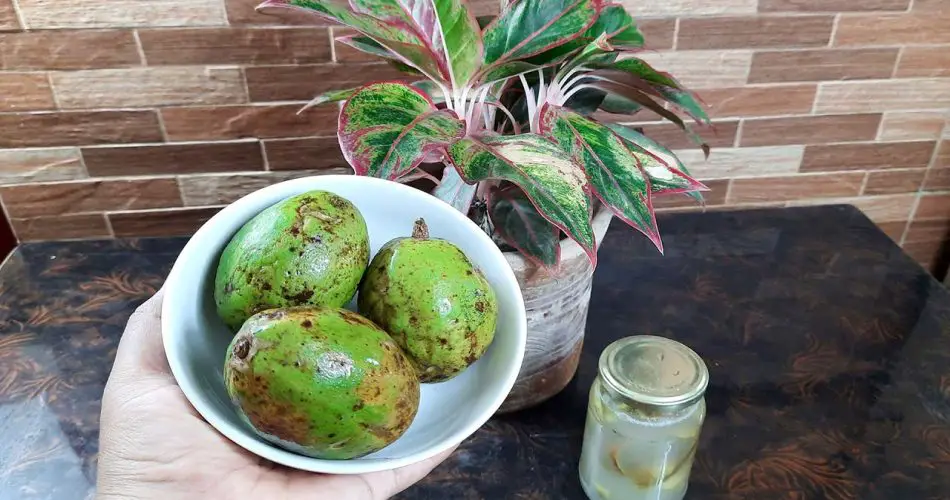
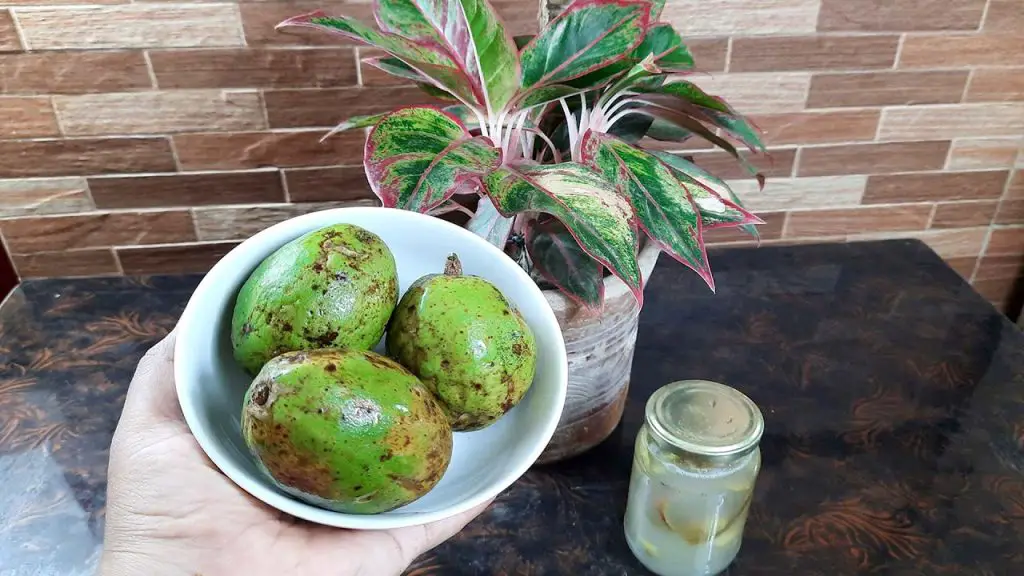
Hog plum, known scientifically as Spondias mombin, is a tropical fruit tree that not only produces delicious fruits but also benefits greatly from organic fertilizers. Making your own organic hog plum fertilizer from kitchen scraps and organic waste is a sustainable way to enrich your soil and promote healthy plant growth. Here’s a step-by-step guide to creating your own organic fertilizer from waste materials.
Why Use Organic Fertilizer?
Organic fertilizers are derived from natural sources and provide numerous benefits, including:
- Improved Soil Health: Organic matter enhances soil structure, aeration, and water retention.
- Nutrient-Rich: Organic fertilizers supply essential nutrients needed for healthy plant growth.
- Environmental Sustainability: Utilizing organic waste reduces landfill waste and minimizes chemical runoff.
Materials Needed
- Organic Waste: Use kitchen scraps like fruit and vegetable peels, coffee grounds, eggshells, and garden waste.
- Compost Bin or Pile: An area designated for composting where waste will decompose.
- Water: For moisture control during the composting process.
- Optional Additives: To enhance nutrient content, consider adding green waste (grass clippings, leaves), brown waste (dry leaves, straw), or other organic materials.
Step-by-Step Guide to Making Organic Hog Plum Fertilizer
Step 1: Collect Organic Waste
- Gather your kitchen scraps, such as:
- Fruit and vegetable peels (including hog plum remains)
- Coffee grounds
- Eggshells
- Green waste from gardening
- Avoid adding meat, dairy, or oily foods, as these can attract pests and create odor issues.
Step 2: Create a Compost Pile
- Choose a Location: Select a dry, shaded spot in your yard for your compost bin or pile.
- Layering: Start layering your organic waste in the compost bin:
- Begin with a layer of brown materials (dry leaves, straw).
- Follow with a layer of green materials (kitchen scraps, grass clippings).
- Alternate Layers: Alternate between brown and green materials to maintain a balanced carbon-to-nitrogen ratio.
Step 3: Maintain Moisture and Aeration
- Water: Lightly water the compost pile to keep it moist but not soggy. The moisture level should feel like a damp sponge.
- Turn the Pile: Every few weeks, use a pitchfork or shovel to turn the compost. This aerates the pile, speeds up decomposition, and prevents odor.
Step 4: Monitor the Composting Process
- Temperature: Keep an eye on the temperature. A well-maintained compost pile will heat up to about 130°F to 160°F (54°C to 71°C), which helps kill pathogens and weeds.
- Time: Composting can take anywhere from 3 months to a year depending on conditions like temperature, moisture, and the materials used.
Step 5: Harvest Your Organic Fertilizer
- Once the compost has broken down into a dark, crumbly substance with an earthy smell, it’s ready to use.
- Screening: If desired, you can sift the compost through a mesh screen to remove larger particles.
- Storage: Store the finished organic fertilizer in a sealed container or a bag until you’re ready to use it.
Step 6: Applying Organic Hog Plum Fertilizer
- Soil Amendment: Mix the organic fertilizer into the soil around your hog plum tree at the beginning of the growing season.
- Mulching: You can also use the compost as mulch around the base of the tree to retain moisture and suppress weeds.
- Fertilizing Frequency: Reapply every few months during the growing season to provide ongoing nutrients.
Conclusion
Making organic hog plum fertilizer from organic waste is an environmentally friendly and cost-effective way to nourish your plants. By following these simple steps, you can turn kitchen scraps into valuable nutrients for your hog plum tree, promoting healthier growth and better fruit production. Start composting today, and watch your garden thrive with the power of organic fertilizers!