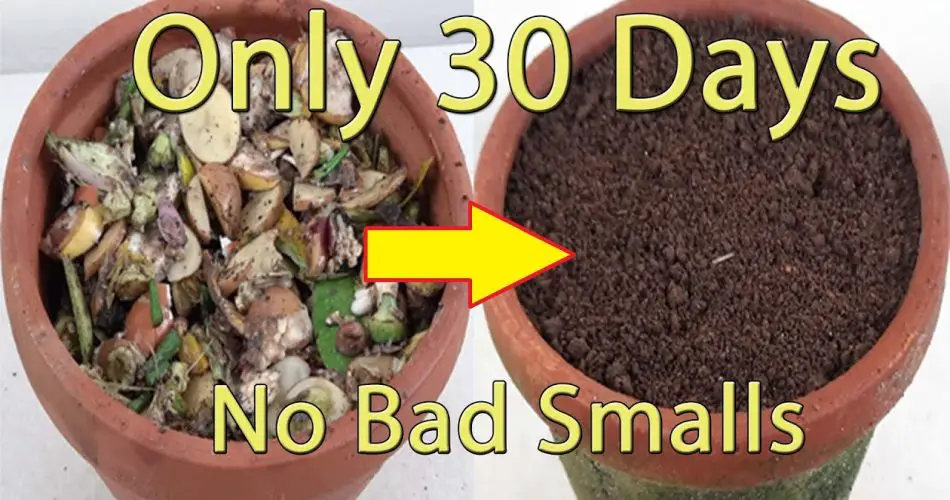
Composting is a fantastic way to reduce kitchen waste while enriching your garden’s soil. Compost made from kitchen scraps is a natural and eco-friendly fertilizer that helps your plants grow healthy and strong. In this article, we’ll show you how to easily create your own compost at home using everyday kitchen waste.
Why Make Compost at Home?

Before diving into the process, let’s understand why composting is beneficial:
- Waste Reduction: Composting helps reduce the amount of food waste sent to landfills, which helps lower your carbon footprint.
- Nutrient-Rich Soil: The organic matter in compost is rich in nutrients that improve soil health and provide essential elements for plant growth.
- Water Retention: Compost helps retain moisture in the soil, reducing the need for frequent watering.
- Natural Fertilizer: It provides a chemical-free alternative to store-bought fertilizers, making it a safe option for your plants and the environment.
What Kitchen Waste Can You Use for Compost?
You can compost a wide variety of kitchen scraps. Here’s a list of common materials that are perfect for making compost:
1. Fruit and Vegetable Scraps
- Peels, cores, and seeds from apples, bananas, oranges, tomatoes, cucumbers, and more.
- Coffee grounds and tea bags (check if the tea bag is compostable).
- Potato peels, carrot ends, and onion skins.
2. Eggshells
Eggshells are rich in calcium, which is great for strengthening plant cell walls.
3. Leftover Grains and Bread
Old bread, pasta, rice, and cereal can also be composted (just avoid processed foods with oils and sugar).
4. Used Paper Towels and Napkins
If they are not contaminated with chemicals, paper towels and napkins can be used for composting.
5. Nut Shells and Crushed Nuts
These provide good aeration to the compost pile, helping it break down more efficiently.
Tip: It’s essential to balance the amount of green (nitrogen-rich) and brown (carbon-rich) materials in your compost pile to ensure proper decomposition. For example, fruit and vegetable scraps are considered green materials, while dried leaves and cardboard are brown materials.
How to Make Compost at Home: Step-by-Step Process
Now, let’s break down the composting process:
Step 1: Select a Composting Container
You can compost in several ways:
- Compost bin: A closed bin with ventilation holes.
- Compost pile: A simple open pile in a corner of your garden.
- Compost tumbler: A rotating container for easy mixing. Choose a method that works best for your space and needs.
Step 2: Layer Your Materials
Start by adding a layer of brown material like shredded paper, dry leaves, or cardboard at the bottom of your compost bin. This layer helps with aeration. Then, add green materials such as fruit and vegetable scraps, coffee grounds, and grass clippings. Alternate between green and brown layers, maintaining a 1:1 ratio.
Tip: Try to chop larger scraps into smaller pieces to speed up the decomposition process.
Step 3: Keep It Moist
The compost pile should be moist but not soaking wet. If it’s too dry, sprinkle water over it. If it’s too wet, add more brown materials to absorb excess moisture.
Step 4: Turn the Pile
To ensure even decomposition, turn the compost pile with a garden fork or shovel every 1-2 weeks. This aerates the pile and allows oxygen to reach the center, promoting faster breakdown.
Step 5: Monitor the Temperature
A healthy compost pile will heat up, typically reaching 130-160°F (54-71°C). This heat helps kill off harmful bacteria and weeds. If the pile isn’t heating up, it might need more green materials, moisture, or turning.
Step 6: Wait for the Compost to Mature
In about 3 to 6 months, your compost will transform into dark, crumbly, and earthy-smelling humus. At this point, it’s ready to use in your garden.
How to Use Your Homemade Compost
Once your compost is ready, here’s how you can use it:
- Soil Amendment: Mix compost into your garden beds to improve soil structure, increase nutrient content, and enhance water retention.
- Potting Mix: Blend compost with soil and sand to create an excellent potting mix for houseplants.
- Mulch: Spread a layer of compost on top of garden soil to help suppress weeds, retain moisture, and provide nutrients over time.
What Not to Compost
While kitchen waste is great for composting, there are some items you should avoid:
- Meat, dairy, and oily foods: These attract pests and don’t break down well.
- Diseased plants: Avoid composting plants that are infected with disease, as this could spread it to healthy plants.
- Pet waste: Animal waste from carnivores (cats, dogs) should not be composted as it can contain harmful pathogens.
- Weeds with seeds: Weeds with mature seeds can survive in compost and spread to your garden.
Conclusion
Making compost at home from kitchen waste is an easy, cost-effective, and eco-friendly way to enrich your garden’s soil. With a little patience, you can create nutrient-rich compost that will help your plants thrive, all while reducing your waste. By following these simple steps, you’ll be on your way to becoming a more sustainable gardener in no time. 🌱