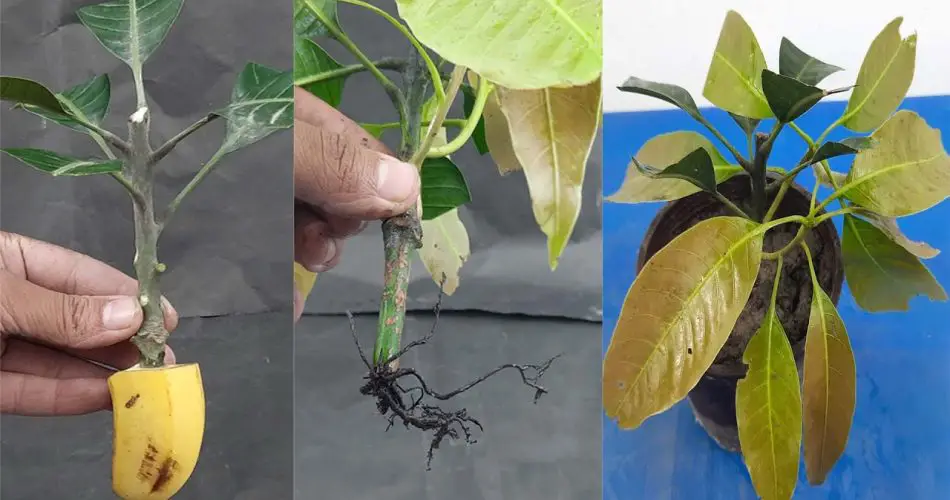
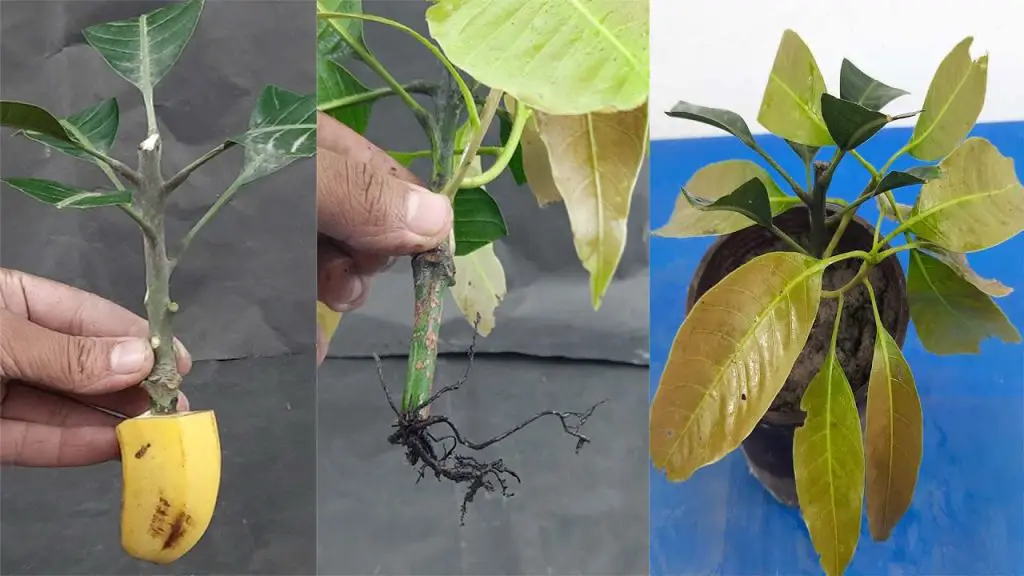
Mango trees are prized for their delicious fruits and attractive foliage, making them a popular choice for gardens in tropical and subtropical climates. While mango trees are traditionally grown from seeds, it is possible to propagate them from cuttings with a high success rate if the proper steps are followed. Growing a mango tree from cutting allows you to clone a tree with desirable traits, such as fruit quality or disease resistance. Here’s a detailed guide on how to grow a mango tree from cutting with 100% success.
Why Grow Mango Trees from Cuttings?
Growing mango trees from cuttings is an effective way to ensure that the new tree is genetically identical to the parent tree. This method offers several advantages:
- Cloning Desired Traits: The new tree will produce the same quality fruit as the parent.
- Faster Fruit Production: Trees grown from cuttings often bear fruit sooner than those grown from seed.
- Consistent Growth: Mango trees propagated from cuttings are more predictable in terms of size and fruiting compared to seed-grown trees.
Materials Needed:
- Healthy Mango Cutting: A semi-woody cutting (6-8 inches) from a mature mango tree.
- Sharp Pruning Shears: For clean cuts to prevent infection.
- Rooting Hormone (Optional): For additional help in rooting, though mango cuttings can root without it.
- Well-Draining Potting Mix: A mix of perlite and coconut coir works well.
- Plastic Bag or Greenhouse Dome: To maintain humidity around the cutting.
- Small Pot: For planting the rooted cutting.
Step-by-Step Guide to Growing Mango Tree from Cutting
- Select a Healthy Cutting
Choose a healthy branch from a mature mango tree that is about 6-8 inches long. The cutting should be semi-woody (not too soft, but not fully hardened). Ideally, it should have at least one leaf node (the point where leaves sprout). Make sure the cutting is disease-free and has no signs of pests. - Prepare the Cutting
Using sharp pruning shears, make a clean cut at a slight angle below a node. Remove any excess leaves from the bottom of the cutting, leaving just a few leaves at the top. This helps focus the plant’s energy on root development rather than maintaining the leaves. - Dip the Cutting in Rooting Hormone (Optional)
Although mango cuttings can root without rooting hormone, dipping the cut end of the mango cutting in rooting hormone can help increase the chances of success. If you’re using a rooting hormone, shake off any excess powder before proceeding to the next step. - Plant the Cutting in a Well-Draining Medium
Prepare a well-draining potting mix. A combination of perlite, coconut coir, and a small amount of sand works well to ensure proper drainage. Fill a small pot with this mix, and create a hole in the center using a stick or pencil. Insert the cutting into the hole, making sure the cut end is deep enough for stability but not too deep to risk rot. - Water the Cutting
Gently water the cutting to settle the soil around the base. Be careful not to overwater, as this can lead to rot. The soil should be kept moist but not soggy. - Create a Humid Environment
Mango cuttings require humidity to root effectively. To maintain high humidity around the cutting, cover the pot with a plastic bag or place it under a greenhouse dome. Ensure the covering does not touch the cutting directly, and leave small openings for airflow. This helps prevent fungal growth while keeping moisture levels high. - Place the Cutting in a Warm, Bright Location
Mango cuttings thrive in warm conditions. Place the pot in a bright, indirect sunlight location where the temperature remains between 75°F-85°F (24°C-29°C). Avoid direct sunlight, as this can dry out the cutting or cause damage. - Maintain the Cutting
Check the soil regularly to ensure it stays moist but not waterlogged. Mist the cutting occasionally to maintain the required humidity levels. Keep an eye out for any signs of fungal infection, which can occur in overly damp environments. - Wait for Root Development
After 3-6 weeks, you can check for root development. Gently tug on the cutting—if you feel resistance, this means the roots have started to grow. You can also carefully remove the cutting from the pot to inspect the roots. If roots are visible and well-developed, your cutting is ready to be transplanted. - Transplant the Mango Tree
Once the mango cutting has a strong root system, transplant it into a larger pot or directly into the garden. If transplanting to the garden, ensure the location has full sun and well-draining soil for optimal growth. The tree will need consistent care, including regular watering, fertilizing, and pest management, as it matures.
Tips for 100% Success with Mango Cuttings
- Use the Right Type of Cutting: Semi-woody cuttings with a few nodes have the highest chance of success.
- Maintain Humidity: High humidity around the cutting is crucial for successful rooting. Use a plastic bag or greenhouse dome to trap moisture.
- Warm Conditions: Mango cuttings need warmth to root. Ensure the environment stays between 75°F-85°F (24°C-29°C) for optimal results.
- Be Patient: Mango cuttings may take time to root—typically 3-6 weeks. Avoid disturbing the cutting to allow the roots to develop properly.
Conclusion
Growing a mango tree from a cutting is a highly effective way to propagate these wonderful fruit trees. By following the right techniques and ensuring the cutting receives the right care, you can achieve 100% success in rooting your mango cutting. This method is a great way to clone a mango tree with desirable traits and enjoy delicious mangoes sooner than you would from seed. Whether you’re an experienced gardener or a beginner, propagating mango trees from cuttings can be a fun and rewarding experience.