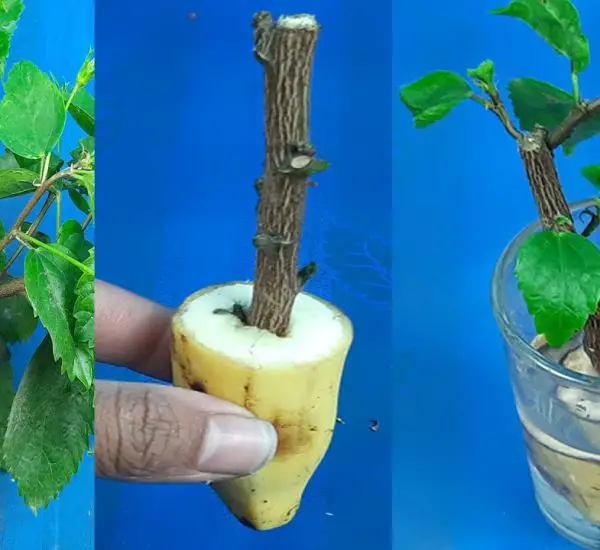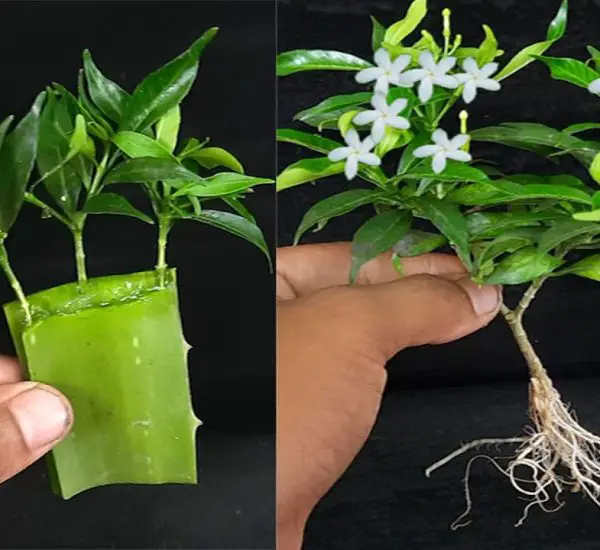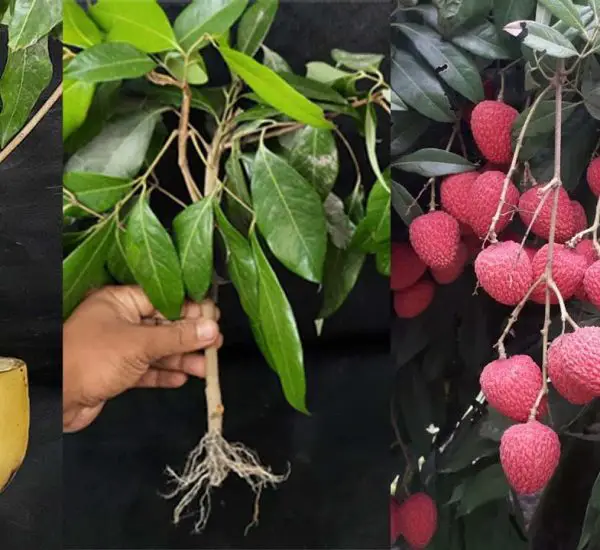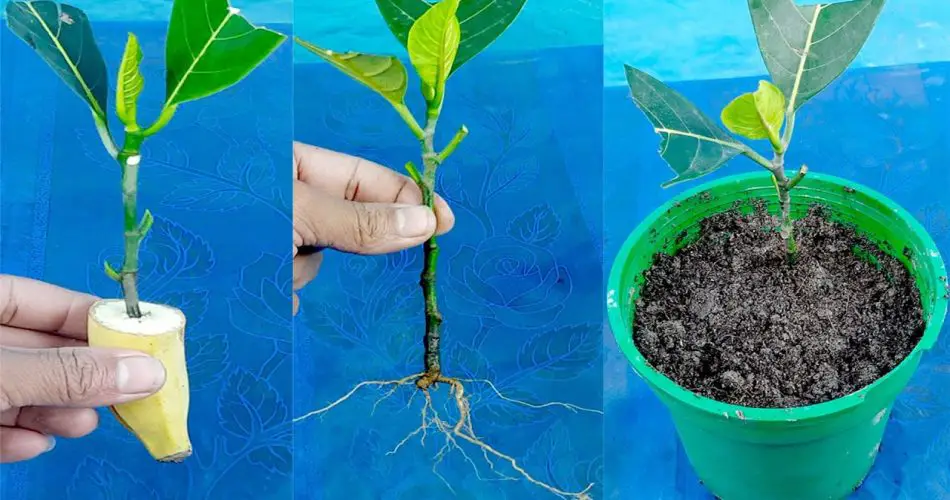
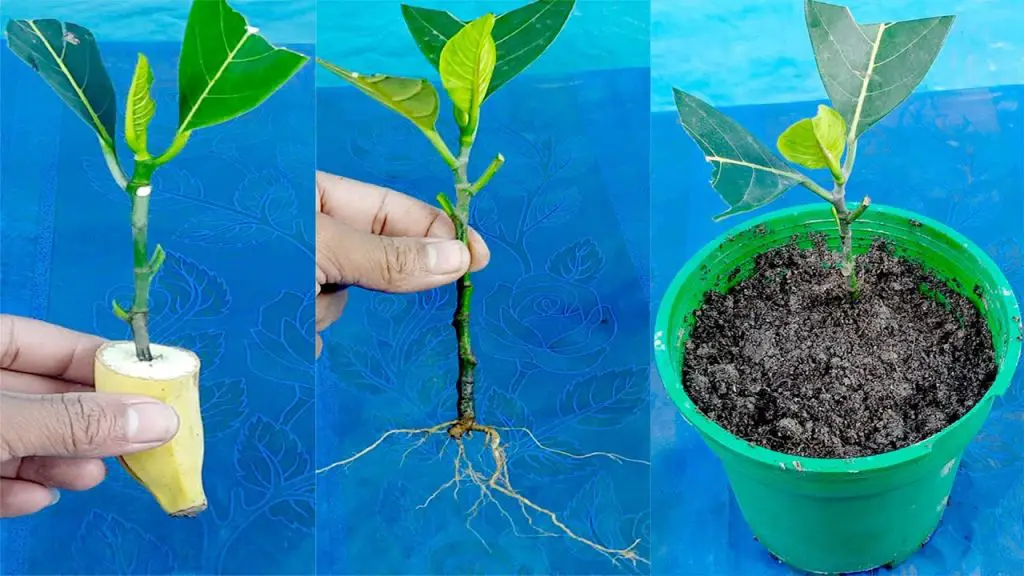
Jackfruit, known for its large size and sweet, tropical flavor, is a fruit that many gardeners and enthusiasts dream of growing at home. While growing a jackfruit tree from seeds is common, did you know that it’s also possible to grow a jackfruit plant from a cutting? This method is not only faster but can also produce a genetically identical tree to the parent plant. Whether you’re new to gardening or looking for a new way to propagate your favorite fruit tree, this guide will walk you through the steps of growing a jackfruit plant from cutting.
Why Grow Jackfruit from a Cutting?
Growing jackfruit from cuttings offers several advantages:
- Faster Growth: Cuttings can establish roots faster compared to seeds, leading to quicker growth.
- Genetic Consistency: A cutting will produce a plant that is genetically identical to the parent tree, ensuring consistency in fruit quality.
- Easier Maintenance: Since the cutting is from an already mature tree, it has a better chance of surviving and thriving.
Materials Needed
Before you start, gather the following materials:
- A healthy jackfruit tree to take the cutting from.
- Sharp pruning shears or a knife.
- Rooting hormone (optional, but recommended).
- A clean container with water or potting mix.
- A warm, bright location for rooting.
- Plastic bag or plastic cover (to maintain humidity).
Step-by-Step Guide to Growing Jackfruit from Cutting
Step 1: Select the Right Cutting
The first step to propagating jackfruit from a cutting is choosing the right stem from the parent plant. Select a healthy, semi-hardwood branch that is about 6-8 inches long. This cutting should have at least 2-3 leaf nodes (the points on the stem where leaves and roots grow). Avoid choosing a stem that’s too old or too young, as these may not root properly.
Step 2: Cut the Stem Properly
Using sharp pruning shears or a clean knife, make a clean cut at a 45-degree angle just below a leaf node. This will help the cutting absorb water and nutrients more efficiently. After cutting, remove any leaves from the bottom half of the cutting to avoid contact with soil or water, which can lead to rotting.
Step 3: (Optional) Apply Rooting Hormone
While rooting hormone is optional, it can help stimulate root growth in the cutting. Dip the cut end of the jackfruit cutting into the rooting hormone and shake off any excess powder. This step will encourage the cutting to develop strong and healthy roots more quickly.
Step 4: Place the Cutting in Water or Soil
You can root your jackfruit cutting either in water or directly in soil:
- Water Method: Place the cutting in a container filled with clean water, ensuring the cut end is submerged but the leaves are above the waterline. Change the water every few days to keep it fresh and clear. Roots will begin to appear in about 2-3 weeks.
- Soil Method: If you prefer to plant directly in soil, prepare a well-draining potting mix, such as a mix of garden soil, perlite, and compost. Plant the cutting about 2-3 inches deep into the soil. Ensure the cutting is stable and upright, then water lightly.
Step 5: Maintain the Right Environment
Whether you’re rooting in water or soil, it’s important to maintain a humid and warm environment for the cutting. Place a plastic bag or plastic cover over the cutting to help retain moisture and create a greenhouse-like effect. Ensure the cutting receives indirect sunlight in a warm spot, ideally between 70°F to 85°F (21°C to 29°C).
Step 6: Wait for Roots to Develop
It can take anywhere from 2-4 weeks for roots to develop, depending on the conditions. During this time, be sure to monitor the cutting closely. If you’re rooting in water, you’ll see the roots growing from the cut end. In soil, gently tug on the cutting after a few weeks to check if it’s anchored. If it resists, it’s ready to be planted in the ground.
Step 7: Transplant the Rooted Cutting
Once the cutting has developed enough roots, it’s time to transplant it into a larger pot or directly into the garden soil. Choose a location that receives full sunlight and has well-draining soil. If planting in a pot, make sure it has adequate drainage holes to avoid waterlogging. Continue to care for your newly propagated jackfruit plant by watering it regularly and providing it with the nutrients it needs to grow strong.
Tips for Success
- Humidity is Key: Jackfruit cuttings need a high humidity environment to root successfully. If you’re not using a plastic cover, consider misting the cutting with water regularly.
- Keep it Warm: Ensure the cutting stays in a warm location but avoid direct sunlight, as too much heat can dry out the cutting.
- Be Patient: Rooting can take time. Be patient and don’t rush the process. It’s important to wait until the cutting has developed a strong root system before transplanting it into the soil.
- Prune Regularly: Once your jackfruit plant has rooted and is growing, prune it to encourage branching and to maintain a strong structure.
Conclusion
Growing jackfruit from a cutting is a straightforward and rewarding process that allows you to propagate this tropical fruit at home. With the right care and environment, your cutting can develop into a thriving jackfruit tree that will eventually produce the delicious, nutritious fruit you love. By following the simple steps outlined above and being patient, you’ll soon be able to grow your very own jackfruit plant, even without needing to start from seed. Happy gardening!