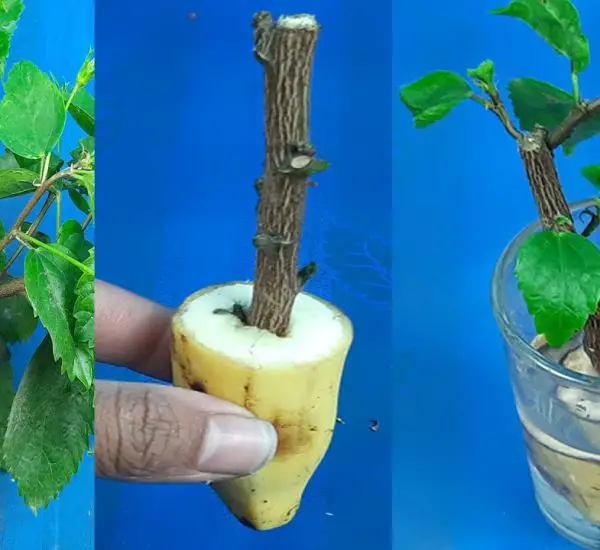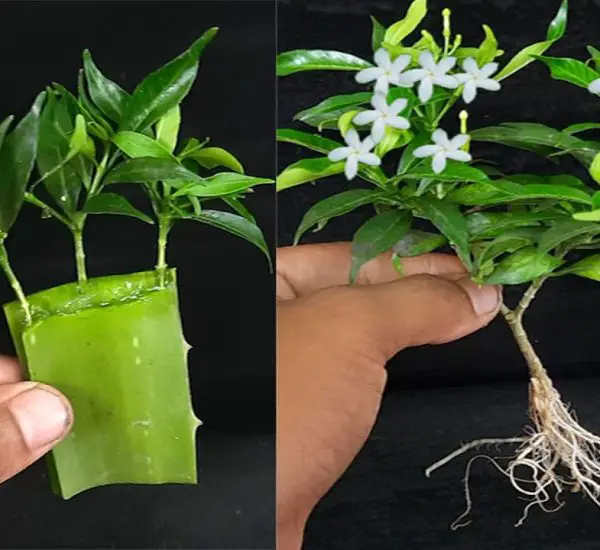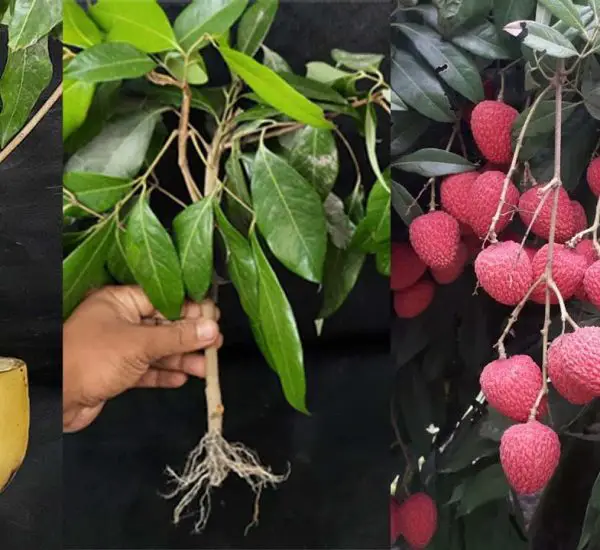
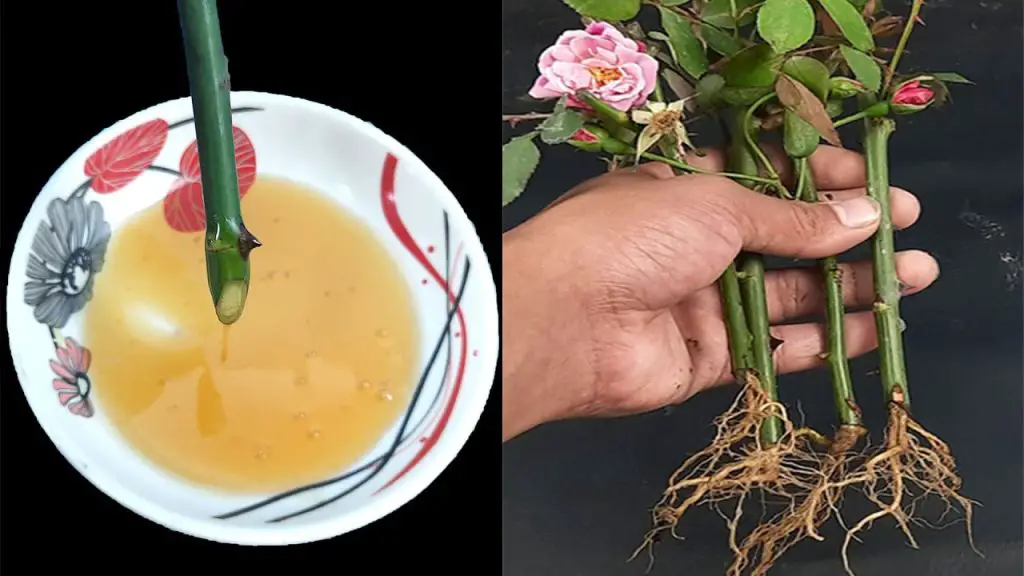
Growing roses from cuttings is a rewarding way to propagate your favorite varieties without spending money on new plants. While there are various techniques, one that stands out for its simplicity and effectiveness is using honey. Honey not only acts as a natural rooting hormone but also has antibacterial properties that help prevent infections during the rooting process. If you’ve ever wondered how to grow roses from cuttings using honey, here’s a step-by-step guide to help you achieve success.
Why Use Honey for Rose Cuttings?
Honey is a natural rooting agent that contains several beneficial properties, including:
- Antibacterial: Honey helps protect the cutting from infections by preventing harmful bacteria and fungi from interfering with the rooting process.
- Moisture retention: Honey retains moisture, which is essential for the cutting to survive and grow.
- Stimulates root growth: The sugars in honey encourage the development of roots on the cutting, making it easier for the plant to establish itself.
Materials You’ll Need:
- Rose cutting: A healthy stem from a mature rose plant (6-8 inches long).
- Honey: Raw, unprocessed honey works best, but any honey will do.
- Clean, sharp pruning shears or scissors.
- A small container or jar with water.
- A pot for planting the rooted cutting (preferably with drainage holes).
- Potting soil or a well-draining soil mix.
- Plastic wrap or a plastic bag to create a greenhouse effect (optional).
- A warm, bright location for the cutting.
Step-by-Step Guide to Growing Roses from Cuttings Using Honey
1. Take the Rose Cutting
- Select a healthy rose stem from a mature plant. The cutting should be about 6 to 8 inches long, and it should have several healthy leaves.
- Using clean, sharp scissors or pruning shears, cut just below a node (the point where leaves are attached to the stem). This will increase the chances of root development.
- Remove any leaves from the bottom 2-3 inches of the stem to expose the stem to soil and prevent rot.
2. Prepare the Honey Solution
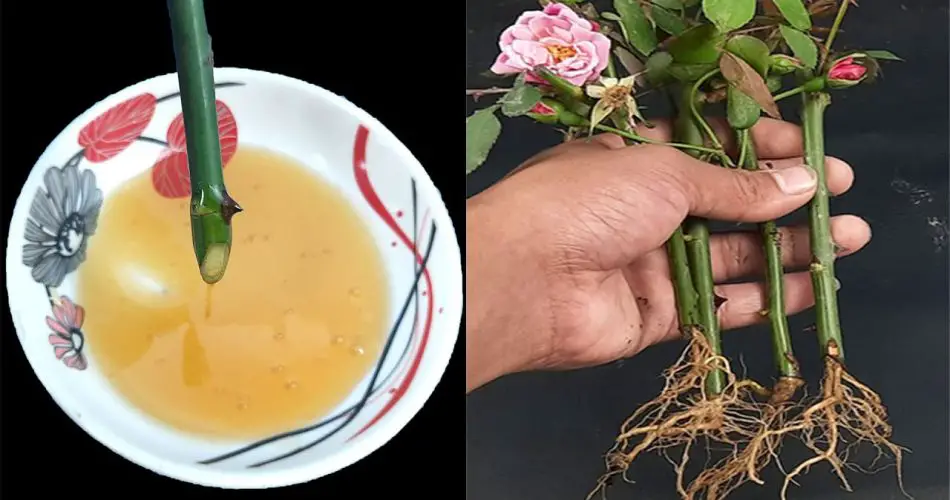
- In a small bowl or container, dilute honey with warm water (1 tablespoon of honey per cup of water). You can also use pure, raw honey without dilution.
- Stir until the honey dissolves completely, and the mixture forms a sticky, syrupy solution.
3. Dip the Cutting in Honey
- Dip the cut end of the rose cutting into the honey mixture. Make sure the bottom 2 inches of the cutting are thoroughly coated with honey. The honey will act as a natural rooting hormone and will help protect the cutting while it forms roots.
4. Plant the Cutting
- Fill a small pot with well-draining potting soil. You can use a mix of regular potting soil and perlite or sand to improve drainage.
- Make a hole in the center of the soil using a pencil or your finger, and place the honey-coated cutting into the hole.
- Gently pack the soil around the cutting to ensure it’s upright and firmly in place.
5. Water the Cutting
- After planting, water the soil gently to keep it moist but not soggy. The rose cutting needs to remain moist to encourage root development, but overwatering can lead to rot.
6. Create a Humid Environment
- To help the cutting retain moisture and create a greenhouse effect, cover the pot with a plastic bag or plastic wrap. Make sure the bag is not in direct contact with the cutting by placing small sticks or a wooden frame around the pot.
- Place the pot in a warm, bright location, but avoid direct sunlight, as it can cause the cutting to dry out too quickly.
7. Monitor Root Growth
- Over the next few weeks, check the cutting regularly. After about 2 to 3 weeks, the cutting should begin to develop roots. You can gently tug on the stem to check if resistance is felt, which indicates root formation.
- Keep the soil moist, but make sure the cutting isn’t sitting in stagnant water, as this can cause rot.
8. Transplant the Rooted Cutting
- Once the rose cutting has developed a strong root system, it’s ready to be transplanted into a larger pot or directly into the garden.
- Remove the plastic covering gradually to allow the plant to acclimate to the outside environment.
- Continue caring for your new rose plant by providing it with adequate sunlight, water, and fertilization.
Tips for Success
- Timing: The best time to propagate roses using cuttings is during the spring or early summer when the plant is actively growing.
- Humidity: Roses need high humidity to root successfully. Make sure to cover the cutting and keep it in a warm, sheltered spot.
- Pruning: Trim off any dead or damaged parts of the cutting, and always make clean cuts to avoid disease.
Conclusion
Using honey as a natural rooting hormone is an effective and easy way to grow roses from cuttings at home. By following the steps outlined above, you can increase your chances of success and grow beautiful roses without the need for expensive chemicals. Honey’s natural properties not only protect the cutting but also help stimulate root development, making it an excellent and environmentally friendly option for rose propagation.
Give it a try, and soon enough, you’ll have your very own rose bush blooming in your garden, all thanks to a simple and natural method.