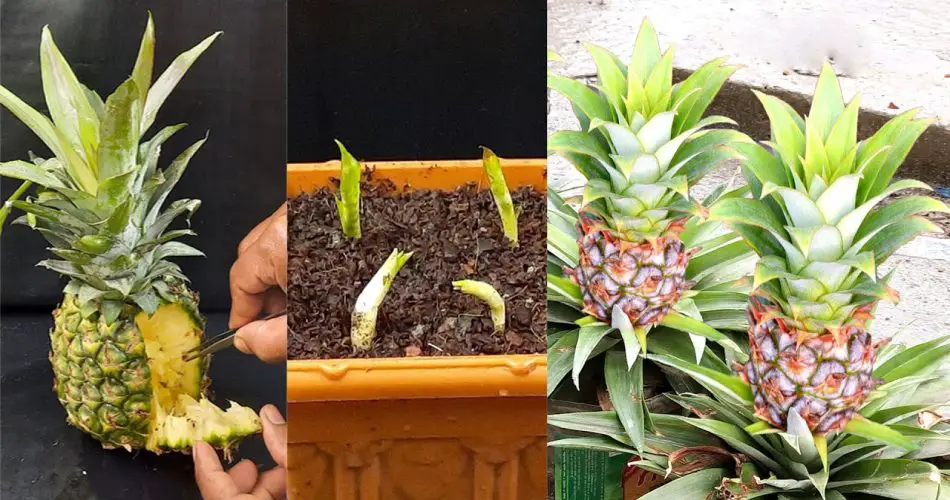
If you’ve ever dreamed of growing your own pineapple fruit tree, you’re in luck! While many people are familiar with growing pineapples by planting the top of a pineapple, you can also grow a pineapple plant from seeds. This method takes patience, but the reward of nurturing your own tropical fruit tree is well worth the effort. In this article, we’ll guide you through the process of growing pineapples from seeds, step by step, and share some helpful tips to ensure a thriving plant.
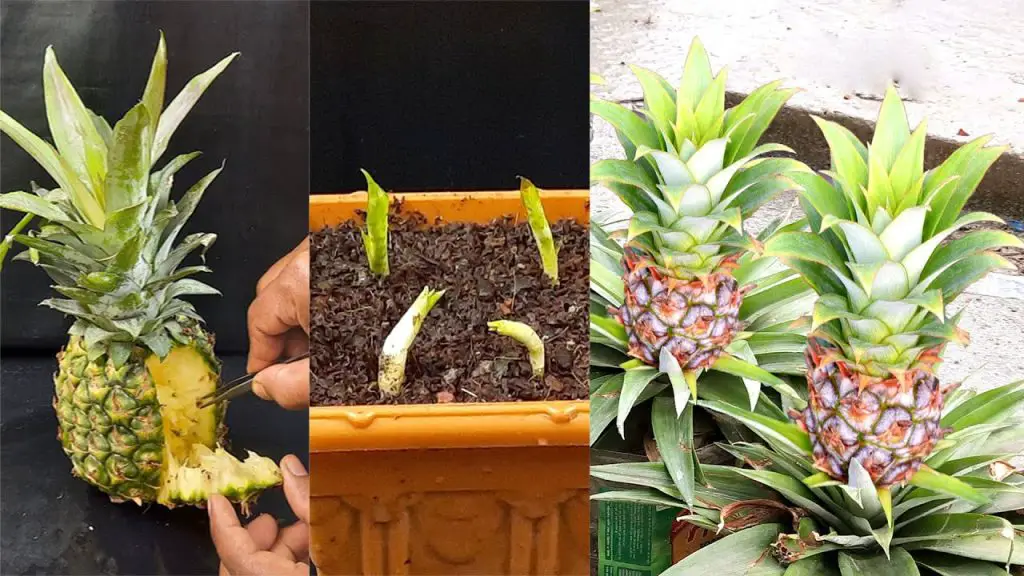
Why Grow Pineapple from Seeds?
Growing a pineapple from seeds may seem like an unconventional approach compared to planting the top of a pineapple, but it offers a few distinct advantages:
- Genetic Diversity: Growing from seed can result in unique plants that may have different characteristics from the parent plant.
- Complete Control: Starting from seeds allows you to cultivate the pineapple plant from scratch, giving you complete control over its environment.
- Educational Experience: The process of growing pineapple from seeds is an excellent learning opportunity, especially for those interested in gardening or growing tropical fruit trees.
Step-by-Step Guide to Growing Pineapple from Seeds
Step 1: Source Pineapple Seeds
The first step is to obtain pineapple seeds. You won’t find them in the typical grocery store pineapple, as most commercial pineapples are propagated by cloning (cutting off the top). Instead, you’ll need to get seeds from a specialized seed supplier or harvest them from a ripe pineapple at home.
To harvest seeds from a pineapple:
- Cut open a ripe pineapple and look for small black seeds embedded in the fruit’s flesh.
- Gently scoop them out and clean them by removing any fruit residue.
Alternatively, you can purchase pineapple seeds online from reliable plant stores or seed banks.
Step 2: Prepare the Soil
Before planting your pineapple seeds, it’s crucial to prepare the right soil. Pineapple plants prefer well-draining soil with a slightly acidic pH. You can create an ideal soil mix by combining:
- Cactus or succulent potting mix
- Perlite or sand to improve drainage
- A little compost to provide essential nutrients
Ensure that your potting container has good drainage to prevent waterlogging, which can lead to root rot.
Step 3: Plant the Seeds
Once your seeds are ready and the soil is prepared, it’s time to plant the seeds:
- Fill a small pot or seed tray with the prepared soil mixture.
- Place the seeds on top of the soil and gently press them down. Don’t bury them too deep, as pineapple seeds need some light to germinate.
- Lightly sprinkle a thin layer of soil over the seeds to ensure they stay in place.
- Water the seeds gently to moisten the soil, but avoid soaking it.
Step 4: Germination Process
Pineapple seeds can take a while to germinate, typically anywhere from 2 weeks to 3 months, depending on temperature and conditions. Here are a few key tips for encouraging successful germination:
- Warm temperatures: Pineapple seeds need warmth to germinate, ideally between 70°F and 85°F (21°C – 29°C).
- Humidity: Place the pot or seed tray in a plastic bag or cover it with a clear plastic lid to create a humid environment.
- Light: Pineapple seeds need indirect sunlight for optimal growth. Place the tray in a location with bright but filtered light.
- Air circulation: Keep the air around the seeds circulating to prevent mold, but ensure the environment stays humid.
Step 5: Transplant the Seedlings
Once your pineapple seeds have germinated and the seedlings have grown strong enough (typically after 3-4 months), it’s time to transplant them into larger pots or directly into your garden if you live in a warm climate.
- Select a larger pot or garden space with plenty of sunlight and well-draining soil.
- Gently transplant the seedlings, ensuring you don’t damage the roots. Water them well after transplanting.
- If transplanting to a garden, make sure the soil has adequate nutrients and is well-drained.
Step 6: Care for Your Pineapple Plant
As your pineapple plant grows, it will need continuous care to thrive:
- Watering: Pineapple plants don’t require a lot of water, but they should never dry out completely. Keep the soil moist but not soggy.
- Light: Provide your pineapple plant with full sunlight for at least 6 hours a day. Pineapples love the sun!
- Fertilizing: Feed your plant with balanced fertilizer or a specialized tropical plant fertilizer once a month during the growing season (spring to summer).
Step 7: Patience and Harvesting
Growing a pineapple from seed requires patience, as it can take 2-3 years for the plant to mature and produce fruit. However, with proper care, your plant will eventually bloom and produce a pineapple!
Once the fruit starts to form, continue to care for your plant by ensuring it has enough sunlight and water. Pineapples are ready to harvest when they change color (from green to yellow) and develop a sweet aroma.
Conclusion
Growing a pineapple plant from seeds is a rewarding and exciting way to cultivate your own tropical fruit tree. While it requires patience, careful attention, and the right conditions, the process can be incredibly fulfilling. From choosing the right seeds to nurturing the plant through its various stages of growth, you’ll soon be able to enjoy the fruits of your labor with a delicious, homegrown pineapple.
By following this simple guide, you’ll be well on your way to growing your very own pineapple plant from seeds—bringing a touch of the tropics to your home or garden!