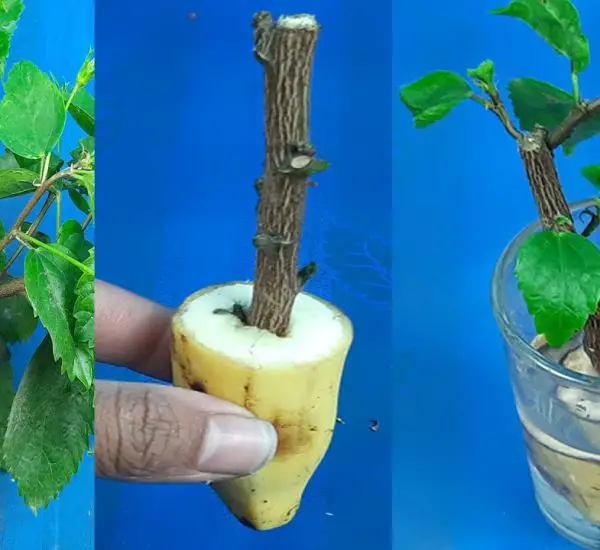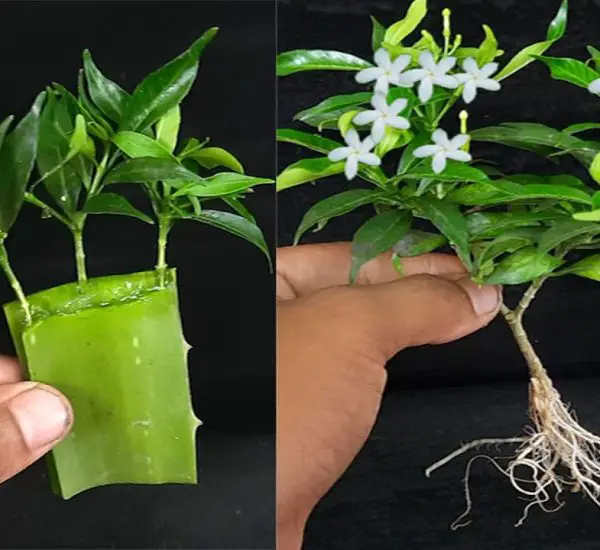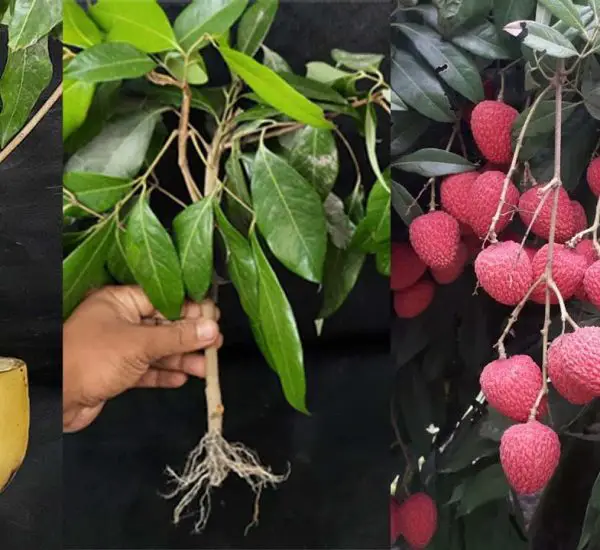
Growing a lemon tree at home can be a rewarding experience, especially when you can propagate it from cuttings. Propagating a lemon tree from cuttings is an easy and cost-effective way to grow your own tree without starting from seeds. This method allows you to create genetically identical plants to the parent tree, ensuring you get the same quality of fruit and characteristics. Here’s a step-by-step guide on how to grow a lemon tree from cuttings easily.
Why Propagate Lemon Trees from Cuttings?
Propagating lemon trees from cuttings is popular because it is:
- Faster than growing from seeds.
- Ensures the new tree is identical to the parent plant.
- Allows you to skip the germination phase and get a stronger tree more quickly.
What You’ll Need
Before you start, gather these materials:
- Healthy lemon tree cutting (a non-flowering branch is best)
- Sharp, clean pruning shears or scissors
- Rooting hormone (optional, but helps stimulate root growth)
- Small pots (preferably 4–6 inches in diameter)
- Well-draining potting soil (a mix of peat, perlite, or cactus soil works well)
- Plastic bag or plastic wrap to cover the cutting
- Water
- A bright, warm location (but not direct sunlight)
Step-by-Step Guide to Propagate Lemon Trees from Cuttings
Step 1: Select a Healthy Cutting
Choose a healthy branch from an existing lemon tree that is about 6 to 8 inches long. Make sure the cutting has several leaves and no flowers. It’s best to select a semi-hardwood cutting, which is a branch that is mature but not too old and woody. The cutting should be taken from a disease-free tree to ensure your new plant remains healthy.
Step 2: Prepare the Cutting
- Using sharp, clean pruning shears, make a clean cut just below a leaf node (the point where a leaf is attached to the stem).
- Remove any leaves from the bottom half of the cutting to prevent them from touching the soil, which can cause rot.
- If you have rooting hormone, dip the cut end of the stem in the hormone to encourage root growth. This step is optional but can improve your chances of success.
Step 3: Prepare the Pot
- Fill a small pot (4–6 inches in diameter) with well-draining potting soil. You can also use a mix of sand and peat for better drainage.
- Moisten the soil lightly, but make sure it’s not soggy. The soil should be damp to the touch, not waterlogged.
Step 4: Plant the Cutting
- Insert the cut end of the stem into the soil about 2–3 inches deep.
- Gently firm the soil around the cutting to ensure it’s stable.
- If you’re using rooting hormone, make sure the entire cut end of the stem is submerged in the soil.
Step 5: Create a Humid Environment
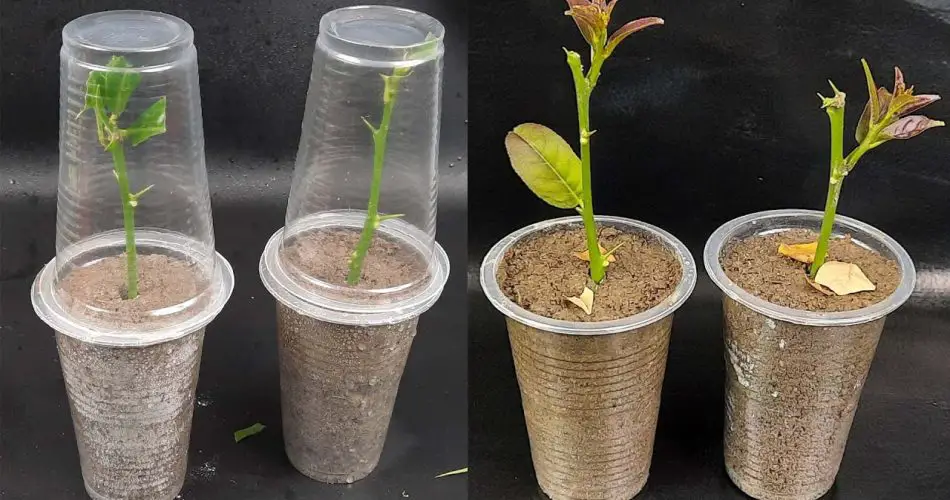
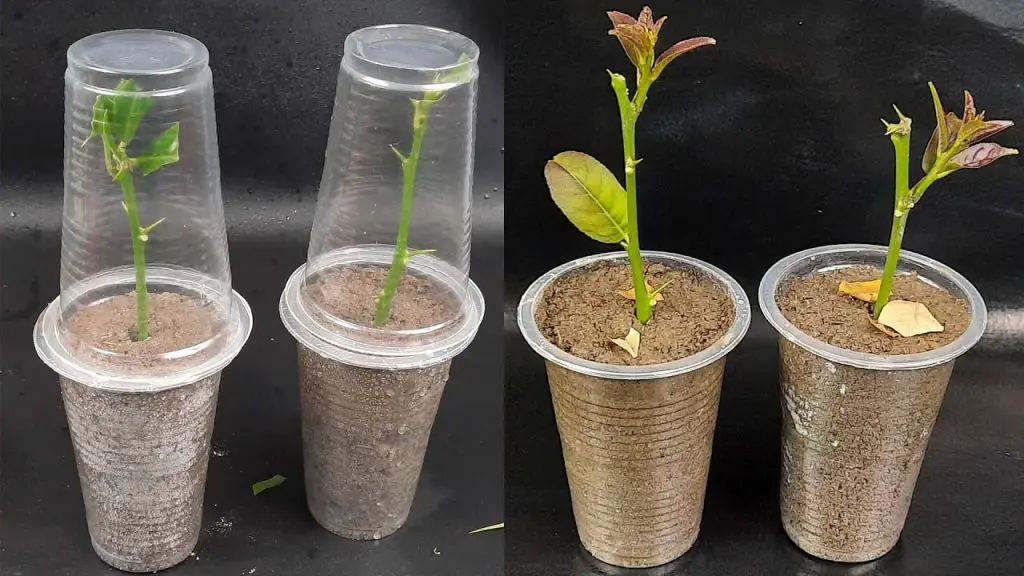
Lemon cuttings need high humidity to root successfully. Create a mini greenhouse effect by covering the pot with a plastic bag or plastic wrap. This helps to retain moisture and warmth, encouraging root development.
- Place the pot in a bright, warm location with indirect sunlight. Avoid direct sunlight, as it can cause the cutting to overheat under the plastic cover.
- Keep the soil moist, but not soaking wet. Mist the cutting occasionally to maintain humidity.
Step 6: Wait for Roots to Develop
- After about 2 to 4 weeks, check for roots. Gently tug on the cutting to see if there’s resistance, which indicates that roots are starting to grow.
- Once the roots are established and the cutting seems firm in the soil, remove the plastic cover.
Step 7: Transplant the Cutting (Optional)
Once the cutting has established a good root system, you can transplant it into a larger pot or even into the ground (if you live in a warm climate). Make sure to gradually acclimate the plant to normal air humidity by reducing the humidity around the cutting slowly before transplanting.
Tips for Successful Lemon Tree Propagation from Cuttings:
- Choose a healthy parent tree: Start with a healthy lemon tree to ensure the best results. Avoid using branches that are diseased or damaged.
- Use a clean cutting tool: Clean your scissors or pruning shears before making the cut to avoid introducing diseases.
- Maintain high humidity: This is key for successful rooting. The plastic covering should be kept in place until the cutting has established roots.
- Be patient: Rooting can take some time, so give your cutting plenty of time to grow. In some cases, it may take up to 6 weeks for roots to form.
Common Problems When Propagating Lemon Trees from Cuttings:
- Rotting: If the cutting is left in overly wet soil or the humidity is too high, it may start to rot. To avoid this, use well-draining soil and be sure to provide proper air circulation around the cutting.
- Lack of roots: If roots don’t develop, try using a fresh cutting or consider using a different rooting hormone or method.
- Too much sunlight: Direct sunlight can damage young cuttings. Keep the cutting in a bright, indirect light location.
Conclusion
Propagating a lemon tree from cuttings is an easy and enjoyable way to grow your own tree and enjoy fresh lemons right from your garden or balcony. With just a little care and patience, you can grow a healthy lemon tree that will reward you with delicious fruit for years to come. Whether you are growing a lemon tree in a pot indoors or outside in the garden, this simple propagation method is a great way to expand your citrus collection.
Happy gardening and enjoy the sweet, zesty rewards of your hard work!