Growing a papaya tree (Carica papaya) is a rewarding experience, thanks to its fast growth and sweet, nutrient-rich fruit. While papayas are typically grown from seeds, there is a method known as air layering that allows you to propagate the tree successfully from a cutting. This method is especially useful for gardeners who want to grow a new papaya tree from an existing plant without waiting for seeds to sprout.
In this article, we will discuss the air layering technique for papayas, which boasts a high success rate and allows you to grow a healthy papaya tree in a relatively short time.
What is Air Layering?
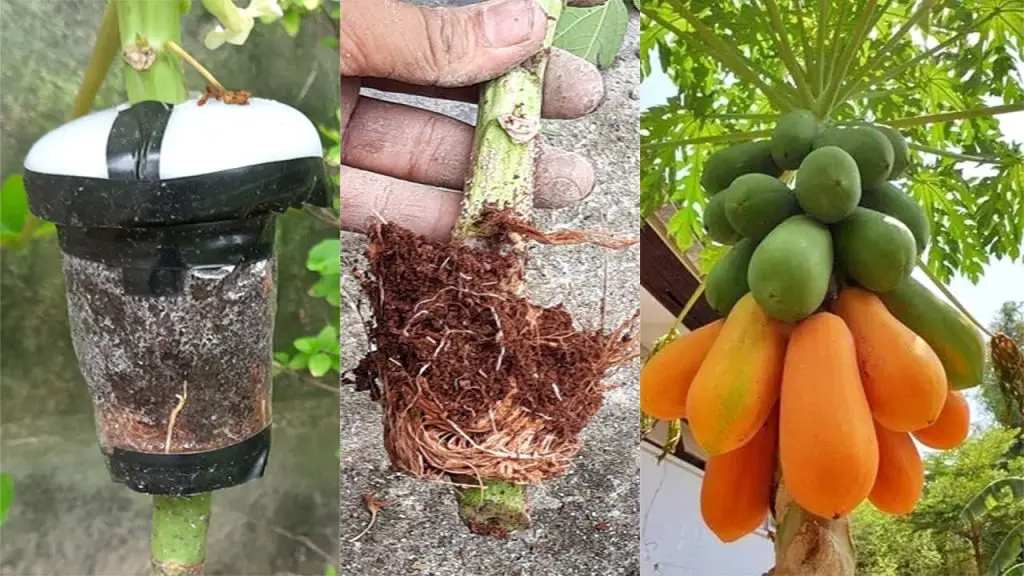
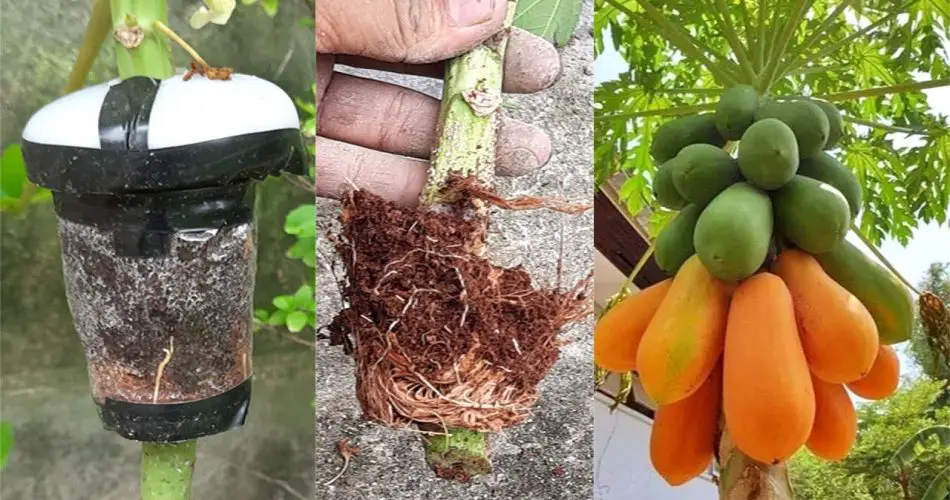
Air layering is a propagation method where a part of the parent plant is encouraged to form roots while still attached to the tree. The technique involves wounding a section of the plant’s stem, covering it with a moist growing medium (like moss), and wrapping it to encourage root formation. Once roots are developed, the section can be cut off and planted to grow a new tree.
Why Choose Air Layering for Papaya?
There are several benefits to using air layering for papaya trees, including:
- High success rate: Air layering has a much higher success rate compared to other propagation methods like cutting or grafting, especially for tropical trees like papayas.
- Faster results: By encouraging roots to form while still attached to the parent tree, air layering allows the new papaya plant to start off with an established root system, giving it a head start compared to seed-grown plants.
- Genetic consistency: A papaya tree grown from air layering is genetically identical to the parent tree, meaning it will produce fruit with the same characteristics.
Materials You Will Need
To perform air layering on a papaya tree, gather the following materials:
- Healthy papaya tree with a stem that’s about 1–2 years old
- Sharp knife or pruning shears
- Moss (sphagnum moss or other types of moss)
- Plastic wrap or plastic bag
- Twine or string
- Rooting hormone (optional but recommended for faster rooting)
- Water for moistening the moss
Step-by-Step Guide to Air Layering Papaya Tree
Step 1: Select the Right Branch
The first step in air layering is choosing a healthy branch on the papaya tree that is about 1-2 years old. Look for a branch that’s around 1–1.5 inches in diameter and is free of disease or damage. The branch should be mature enough to root easily but still flexible enough for the air layering process to work.
Step 2: Make the Incision
Using a sharp knife, make a horizontal cut around the stem of the branch, about 12–18 inches above the ground. The incision should be deep enough to expose the inner layer of the bark, known as the cambium layer, but not so deep that it completely cuts through the branch. You can make a second cut about 1 inch below the first one to create a ring of exposed bark.
Step 3: Remove the Bark
After making the incisions, carefully peel off the bark in the area between the cuts. You should be left with a section of the stem that has no bark and is exposed. This will allow the plant to produce new roots in response to the injury.
Step 4: Apply Rooting Hormone (Optional)
Although not necessary, you can dip the exposed area of the branch in a rooting hormone to stimulate root development. Rooting hormones contain auxins, which promote faster and more robust root growth. Gently dust or apply the rooting hormone around the cut area.
Step 5: Pack the Exposed Area with Moss
Next, take moist sphagnum moss and pack it around the exposed area of the papaya stem. The moss should be damp but not soaking wet. The moss will serve as a medium in which the roots will form.
Step 6: Wrap the Moss with Plastic
Once the moss is in place, wrap the entire area with plastic wrap or a clear plastic bag to hold the moss securely in place and keep it moist. This also helps to maintain a humid environment around the stem, which is essential for root development.
Make sure to secure the ends of the plastic wrap with twine or string to keep it from slipping off. The wrapped area should be well-sealed to retain moisture.
Step 7: Wait for Roots to Form
Now, the waiting game begins. It can take anywhere from 4 to 6 weeks for roots to form around the cut area, depending on environmental conditions such as temperature and humidity. During this time, keep an eye on the plastic wrap to ensure the moss remains moist. If it begins to dry out, carefully open the plastic and moisten the moss again.
Step 8: Check for Root Development
After a few weeks, check for root development by gently peeling back the plastic wrap. If you see white roots growing through the moss, that’s a good sign! Once the roots are well-formed and have filled the moss, the branch is ready to be cut off and transplanted into the soil.
Step 9: Cut and Transplant
Once you’re satisfied with the root growth, use a sharp knife or pruning shears to cut the newly rooted branch from the parent papaya tree. Be sure to leave a small section of the branch (with roots) when cutting it off.
Prepare a pot or garden area with well-draining soil and plant the rooted section. Water the newly transplanted papaya cutting well and place it in a shaded spot until it establishes itself. After a few weeks, you can gradually move it into full sunlight.
Care After Transplanting
Once your papaya cutting is successfully transplanted, follow these tips for proper care:
- Water regularly: Keep the soil moist but not waterlogged. Papayas need plenty of water, especially when they are young.
- Provide adequate sunlight: Papayas thrive in full sun once established, so make sure they receive plenty of light for healthy growth.
- Fertilize: Apply a balanced fertilizer to the young tree to encourage strong growth and fruit production.
- Prune: Trim back any damaged or diseased growth to keep the tree healthy.
Why Use Air Layering for Papayas?
Air layering is a highly effective and reliable propagation method for papayas, particularly if you want to ensure that the new plant will have an established root system before transplanting. The 100% success rate of air layering makes it a preferred method for propagating papayas, as it minimizes the risk of failure compared to other techniques.
Additionally, air layering allows you to grow a genetically identical papaya tree from the parent, which means the fruit quality and tree characteristics will remain consistent. This makes it an excellent choice for gardeners looking to replicate their favorite papaya tree.
Conclusion
Air layering is an excellent way to propagate a papaya tree with a high success rate. By following the steps outlined in this guide, you can grow a new papaya tree from a cutting, giving you a head start on growing this tropical fruit tree in your garden. Whether you’re an experienced gardener or a beginner, air layering is a straightforward and rewarding method for propagating papayas.