Bees play a crucial role in our ecosystem, and their process of making honey is a fascinating journey. Here’s a detailed look at how bees collect nectar to create this beloved sweet treat.
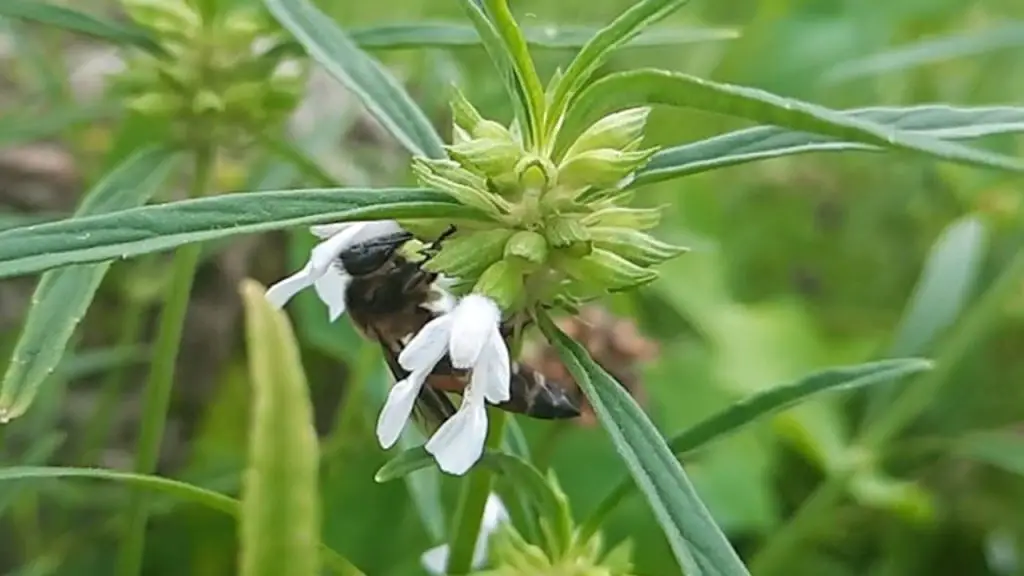
1. Foraging for Nectar
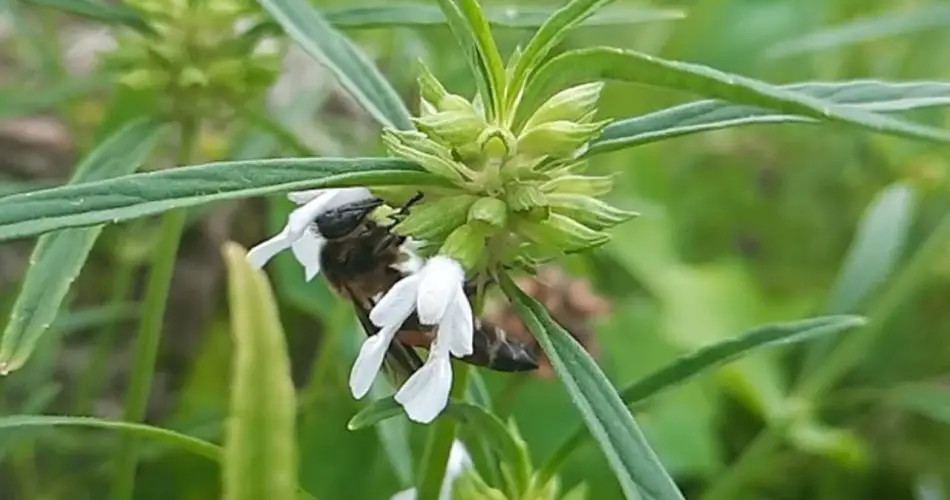
When bees leave the hive, they embark on a foraging mission to find flowers rich in nectar. They are attracted to flowers by their bright colors and sweet scents.
2. Nectar Collection
Using their long, straw-like tongues called proboscis, bees suck nectar from flowers. They store the nectar in a special stomach called the honey stomach, separate from their regular stomach.
3. Returning to the Hive
Once a bee has filled its honey stomach, it returns to the hive. During this journey, it may visit hundreds of flowers, collecting nectar from each one.
4. Nectar Transfer
Upon returning, the forager bee shares the nectar with other worker bees through a process called trophallaxis. This involves regurgitating the nectar into the mouths of waiting bees.
5. Nectar Processing
Inside the hive, bees begin to process the nectar. They add enzymes from their saliva, breaking down the sugars in the nectar. This process converts sucrose into simpler sugars like glucose and fructose.
6. Evaporation
To transform nectar into honey, bees need to reduce its moisture content. They do this by fanning their wings to create airflow, which helps evaporate excess water. Honey typically has a moisture content of about 17-18%.
7. Capping the Honeycomb
Once the nectar has thickened into honey, bees store it in honeycomb cells. They then seal the cells with a wax cap to preserve the honey, ensuring it stays safe for future use.
8. Honey Storage and Usage
Honey serves as a vital food source for bees, especially during winter months when foraging is not possible. It provides energy and nutrients needed for the colony’s survival.
The intricate process of nectar collection and honey production showcases the remarkable skills of bees and their importance to our environment. By understanding their work, we can appreciate the sweetness of honey even more!