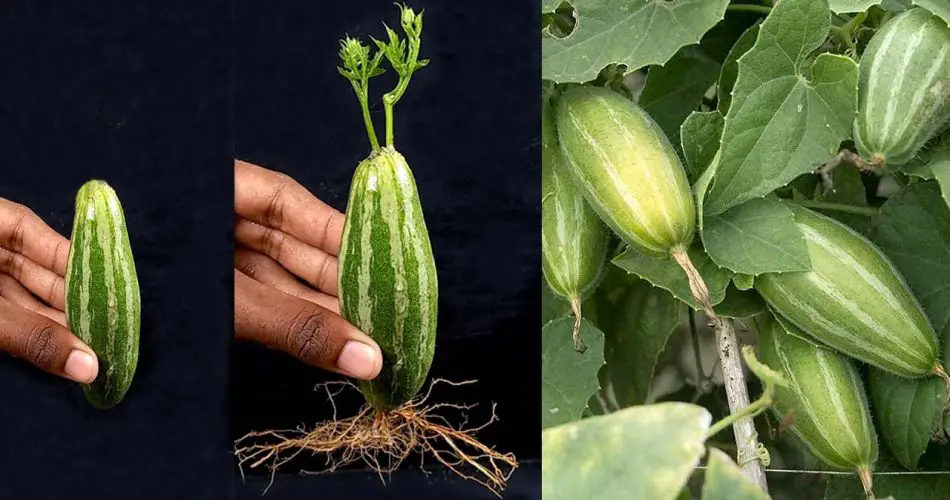
Pointed Gourd (Trichosanthes dioica) is a tropical vine that produces nutrient-rich, tender gourds commonly used in South Asian cuisine. If you’re looking to grow pointed gourd at home, using the gourd itself as the starting point is a simple and effective method. In this article, we will guide you on how to grow a pointed gourd tree from a pointed gourd, whether you’re starting in pots, raised beds, or the ground.
Why Grow Pointed Gourd?
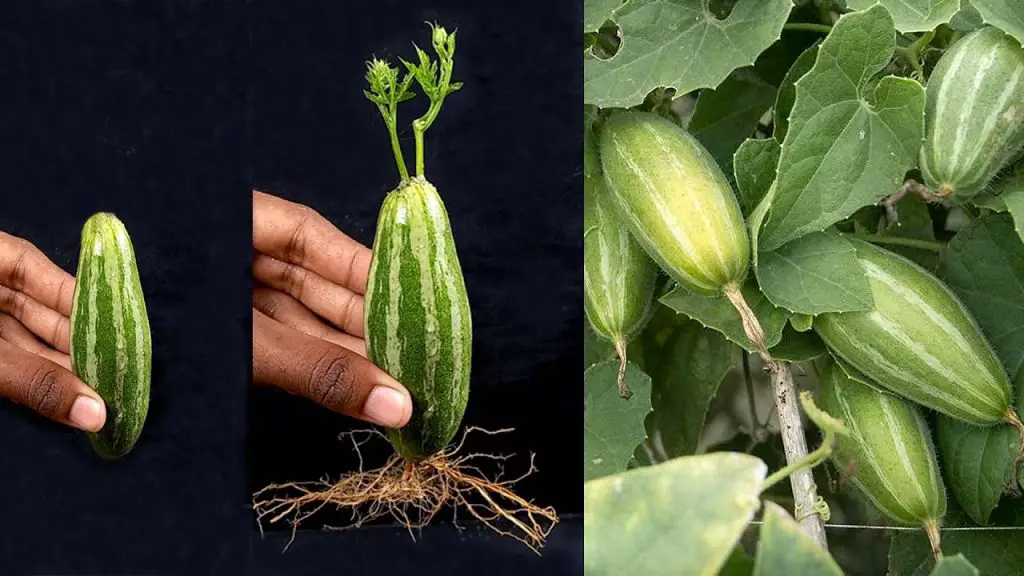
There are several reasons to grow pointed gourd:
- Nutrient-rich: Pointed gourd is rich in fiber, vitamins, and minerals, making it an excellent addition to your garden for both culinary and health benefits.
- Space-efficient: Being a climbing vine, it doesn’t require much ground space, making it ideal for small gardens, balconies, or even containers.
- Sustainable: Growing your own pointed gourd is a sustainable and eco-friendly way to enjoy this healthy vegetable right at home.
Materials You’ll Need:
- Fresh pointed gourd (preferably mature)
- Sharp knife or scissors
- Container or pot (if growing in pots)
- Well-draining soil (rich in organic matter)
- Support for vines (trellis or vertical support)
- Watering can or spray bottle
- Fertilizer (optional for faster growth)
- Sunny spot (for best growth)
Step-by-Step Guide: How to Grow Pointed Gourd from Pointed Gourd
Step 1: Select a Fresh Pointed Gourd
- Choose a mature gourd: Select a mature pointed gourd for propagation. It should be firm and ripe but not overripe. Ideally, choose one that has developed a slight yellow tint or has reached its full size.
- Look for healthy seeds: Inside the gourd, you’ll find the seeds, which are the key to starting your new plant.
Step 2: Extract the Seeds
- Cut the gourd: Use a sharp knife or scissors to cut open the pointed gourd lengthwise.
- Remove the seeds: Carefully scoop out the seeds from the gourd. The seeds should be plump and firm, not shriveled or dried out.
- Clean the seeds: Rinse the seeds under water to remove any remaining pulp or flesh, and allow them to dry in a cool, shaded area for a day or two.
Step 3: Germinate the Seeds
- Soak the seeds: To speed up the germination process, soak the seeds in water for about 12-24 hours. This softens the seed coat and encourages quicker sprouting.
- Prepare seed trays or pots: Fill small pots, seed trays, or containers with well-draining soil. Ensure the soil is light and rich in organic matter to promote healthy root development.
- Plant the seeds: Plant the soaked seeds about 1 inch deep into the soil. Plant 2-3 seeds per pot to increase the chances of germination.
- Water gently: Water the soil lightly to keep it moist but not soggy. Overwatering can lead to seed rot, so ensure the soil is well-drained.
- Provide warmth: Place the pots or trays in a warm spot with indirect sunlight. Pointed gourd seeds germinate best in temperatures around 75°F to 85°F (24°C to 29°C).
Step 4: Transplant the Seedlings
- Wait for germination: After 7-10 days, the seeds should begin to sprout. Once the seedlings have grown 4-6 inches tall, they are ready for transplanting.
- Prepare the planting area: Choose a location with full sunlight for planting. Pointed gourds require at least 6-8 hours of sunlight each day to grow well. The soil should be loamy, well-draining, and rich in nutrients.
- Transplant the seedlings: Gently transplant the seedlings into the garden bed or container. If planting in the garden, space the plants 3-4 feet apart to give them enough room to spread.
Step 5: Provide Support for the Vines
- Install a trellis: As pointed gourd is a climbing vine, it will need support to grow upward. Install a trellis, fence, or vertical support where the plant can latch on with its tendrils.
- Encourage vertical growth: Once the seedlings start to grow, gently train them to climb the support. This helps save space and makes harvesting easier.
Step 6: Care for the Growing Pointed Gourd Plant
- Water regularly: Keep the soil consistently moist, especially during the hot summer months when the plants are growing actively. Water deeply to ensure the roots get the moisture they need.
- Fertilize occasionally: While pointed gourd is not a heavy feeder, you can apply an organic fertilizer once every 4-6 weeks to promote healthy growth and fruit production. Compost or well-rotted manure is an excellent choice.
- Prune the vines: Regularly prune the plant to remove dead or damaged leaves and to encourage better air circulation. This also helps the plant focus its energy on producing fruit.
- Mulch the soil: Applying a layer of organic mulch around the base of the plant helps retain moisture, regulate soil temperature, and prevent weed growth.
Step 7: Harvesting the Pointed Gourd
- Look for mature gourds: Pointed gourds typically take 3-4 months to mature, depending on the variety and growing conditions. The gourds should be about 6-8 inches long and have a bright green color. If you see a gourd with a slight yellowing at the tip, it’s a sign that it’s ready for harvest.
- Harvest carefully: Use scissors or a sharp knife to cut the mature gourd from the vine, being careful not to damage the plant.
- Enjoy your harvest: Pointed gourd can be enjoyed in a variety of dishes, such as stir-fries, curries, or salads. They are rich in fiber and antioxidants, making them a healthy addition to your meals.
Benefits of Growing Pointed Gourd
- Health benefits: Pointed gourd is known for its high fiber content, which aids digestion, and its rich supply of vitamins, minerals, and antioxidants that contribute to overall health.
- Space-efficient: Since it’s a climbing vine, pointed gourd is perfect for small spaces or container gardening.
- Fresh produce: Growing your own pointed gourd gives you access to fresh, homegrown produce that is free from pesticides and chemicals.
- Low maintenance: Once established, pointed gourd requires minimal care, making it suitable for both beginners and experienced gardeners.
Tips for Success
- Regular pruning: Keeping the plant well-pruned will help maintain good airflow, reducing the risk of fungal infections and improving fruit yield.
- Pest control: Keep an eye out for common garden pests like aphids and whiteflies, which may affect the plant. Use natural pest control methods like neem oil or insecticidal soap.
- Companion planting: Pointed gourd can be grown alongside other vegetables like beans or peas for mutual benefits, as these plants often help with pest control.
Conclusion
Growing a pointed gourd tree from a pointed gourd is an easy and sustainable way to add this nutritious vegetable to your garden. By following these simple steps, you can enjoy fresh, homegrown pointed gourd in no time. Whether you’re a seasoned gardener or just starting out, this method of propagation is a great way to expand your gardening skills while enjoying the benefits of growing your own produce.