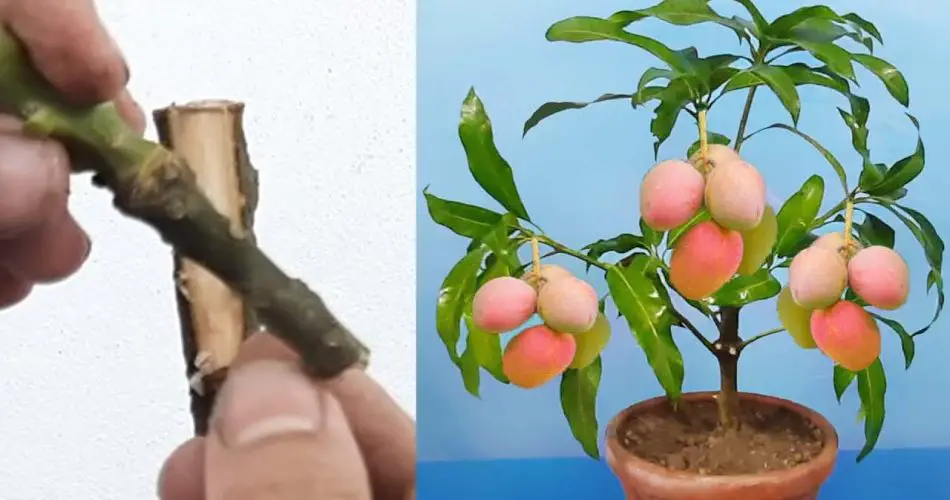
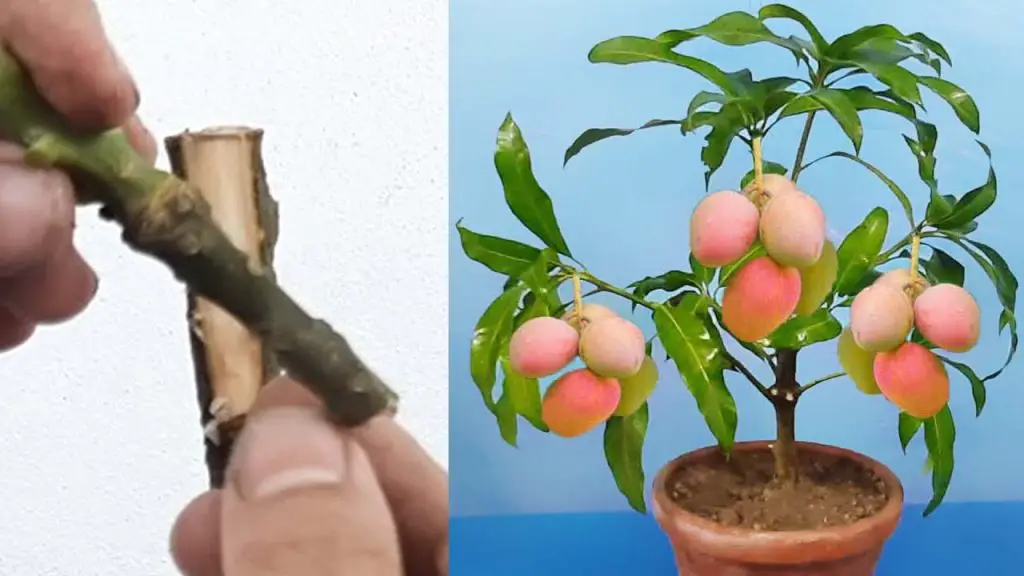
Growing a mango tree at home is a dream for many gardeners, especially those who have limited space. While mango trees typically require a large yard to thrive, you can successfully grow a mango tree in a pot using an amazing grafting technique. This method not only helps you manage the size of the tree but also encourages faster fruiting and healthier growth. Whether you’re an experienced gardener or a beginner, this guide will walk you through the process of grafting and growing a mango tree in a pot.
Why Grow Mango in a Pot?
Growing a mango tree in a pot comes with several benefits:
- Space-saving: You don’t need a huge garden to grow a mango tree. A pot allows you to grow the tree in smaller spaces like balconies, terraces, or patios.
- Easier care: Growing in a pot gives you more control over the soil, water, and sunlight conditions.
- Faster fruiting: By using the grafting technique, you can speed up the process of fruit production compared to growing a mango tree from seed.
The secret to successfully growing a mango tree in a pot is grafting. Grafting is a horticultural technique that involves joining the tissues of two plants so that they grow together as one. By grafting a mango cultivar (a variety with superior fruit quality) onto a rootstock (a tree that provides a strong root system), you can create a compact tree that produces high-quality mangoes.
Step-by-Step Guide to Growing Mango Tree in a Pot Using Grafting
Materials You’ll Need:
- Mango rootstock: A seedling or a small mango tree that will serve as the root system.
- Mango scion: A cutting from a mature mango tree that has desirable fruit qualities. Choose a variety that produces sweet, flavorful mangoes.
- Sharp knife or grafting tool: To make clean cuts.
- Grafting tape or rubber bands: To secure the graft.
- Pot: A large container with good drainage holes (at least 18-24 inches in diameter).
- Potting mix: A well-draining mix with organic matter, such as a mix of compost, sand, and peat moss.
- Water: To keep the tree hydrated.
Step 1: Choose the Right Mango Rootstock
The rootstock is the base of your mango tree, and it’s crucial to select a healthy and strong seedling. The rootstock provides the roots and overall structure of the tree. Look for:
- A mango seedling that’s about 6-12 inches tall.
- A rootstock that is compatible with the mango cultivar you want to graft.
Common rootstocks include varieties like Indian mango or Kesar, which are known for their resilience and strong root systems.
Step 2: Prepare the Mango Scion
The scion is the top part of the mango tree that will bear the fruit. The scion is typically a small branch or cutting taken from a mature tree with desirable traits.
- Choose a healthy, young shoot from a mature mango tree that is free from disease.
- Cut a 4-6 inch piece of the shoot just below a leaf node. The cutting should be green and fresh, with no signs of damage.
Step 3: Make the Grafting Cut
The most common grafting method for mango trees is cleft grafting, which involves cutting the rootstock and joining it with the scion.
- Use a sharp knife to make a vertical cut in the center of the rootstock. The cut should be about 2-3 inches deep.
- Cut the scion’s base into a wedge shape so that it can fit securely into the rootstock’s cut.
- The scion and rootstock should be cut so that their cambium layers (the green layer just under the bark) touch. This will allow the two plants to fuse and grow together.
Step 4: Attach the Scion to the Rootstock
- Carefully insert the scion into the cut of the rootstock, making sure the cambium layers are aligned. The goal is for the cambium of both the rootstock and scion to touch so they can join and grow together.
- Use grafting tape or rubber bands to secure the graft in place. Wrap the graft tightly to hold the scion and rootstock together.
- Ensure that the graft is protected from any external moisture or air that might cause it to dry out.
Step 5: Care for the Grafted Mango Tree
After grafting, the mango tree needs proper care to ensure the graft heals successfully and the tree grows strong.
- Water regularly, but avoid overwatering. The soil should remain moist but not soggy.
- Keep the grafted mango tree in a warm, sunny location with plenty of indirect light.
- Monitor the graft: After a few weeks, you should begin to see signs of healing. The scion will start to grow, and the graft union will become stronger.
Step 6: Transplanting to a Pot
Once the graft has taken hold and the scion begins to grow, you can transplant the mango tree into a larger pot. Choose a pot with good drainage and fill it with well-draining soil.
- Choose a pot that’s at least 18-24 inches in diameter to allow the roots to grow properly.
- As the tree grows, you may need to prune it to keep it manageable and encourage a strong, compact shape.
- Place the pot in a sunny spot where the mango tree will receive at least 6 hours of sunlight per day.
Step 7: Enjoying Your Mango Tree in a Pot
With proper care, your mango tree will begin to grow and flourish. In 2-3 years, you should start to see the first flowers and eventually the fruits. The grafting technique encourages faster fruiting, and your mango tree in a pot can begin producing fruit much sooner than a tree grown from seed.
Tips for Success:
- Water regularly but ensure good drainage to avoid root rot.
- Fertilize the tree with a balanced fertilizer designed for fruit trees, especially during the growing season.
- Prune regularly to shape the tree and encourage new growth.
- Protect the graft from strong winds and intense sun until it’s fully established.
Conclusion: Growing Mango Tree in a Pot with Grafting
By using the grafting technique, you can successfully grow a mango tree in a pot, making it possible to enjoy homegrown mangoes even in small spaces. This method not only helps with the size of the tree but also enhances the overall health and fruiting potential.
With patience, the right care, and a bit of gardening knowledge, you’ll soon be able to grow your own mango tree that produces delicious fruit for years to come. So, try grafting today, and start your own miniature mango orchard in a pot! 🌱🥭