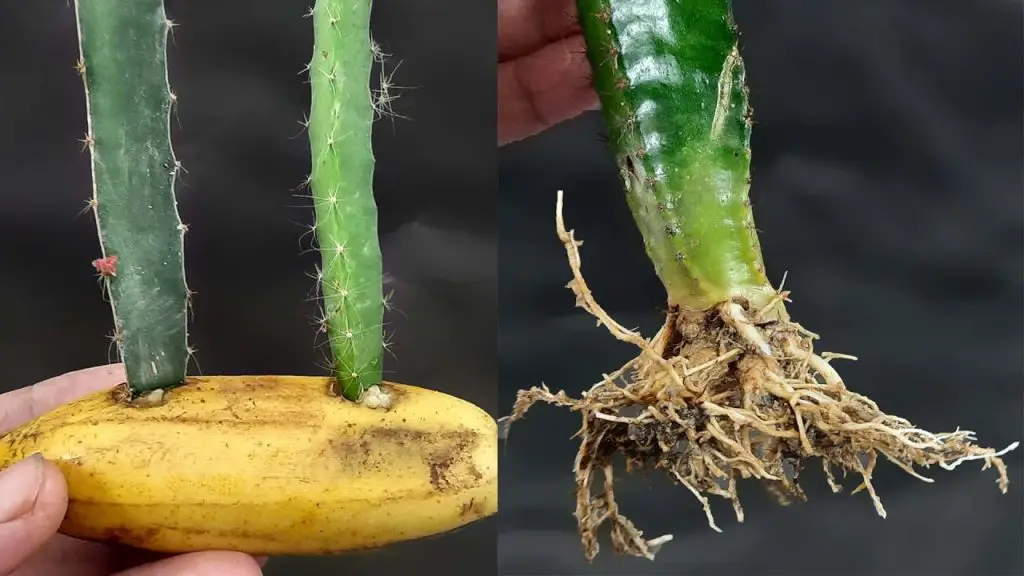
Dragon fruit, also known as pitaya, is a striking and nutritious fruit that grows on a type of cactus. While it is most commonly propagated through seeds or cuttings, there’s a unique and natural way to root a dragon fruit cutting—using a banana! Yes, you can grow a dragon fruit tree from a cutting in a banana, a method that combines the natural nutrients of the banana with the cactus cutting’s natural rooting hormones. This innovative method is easy, cost-effective, and chemical-free, making it a great option for beginners and experienced gardeners alike. Here’s how you can propagate dragon fruit from a cutting using a banana.
Why Use a Banana for Dragon Fruit Cutting Propagation?
Bananas are packed with essential nutrients like potassium, magnesium, and phosphorus, which are beneficial for root development and plant growth. The soft, nutrient-rich flesh of the banana provides a moist environment that helps the cutting stay hydrated while it develops roots. Moreover, the natural sugars in the banana act as an energy source for the cutting, speeding up the rooting process. The banana’s high moisture content also prevents the cutting from drying out during the crucial early stages of root formation.
Materials Needed:
- Dragon Fruit Cutting: A healthy, mature cutting of dragon fruit (typically 6-8 inches long).
- Banana: A ripe banana (organic is preferable).
- Sharp Knife or Pruning Shears: For making clean cuts.
- Small Pot: For transplanting the rooted cutting.
- Well-Draining Potting Mix: A mix of perlite, cactus soil, and sand works best.
Step-by-Step Guide to Grow Dragon Fruit Cutting in a Banana
- Select and Prepare the Dragon Fruit Cutting
Choose a healthy dragon fruit cutting from a mature plant. It should be a semi-woody stem that is about 6-8 inches long. Use a sharp knife or pruning shears to cut the stem just below a node (the point where branches or leaves grow). Remove any leaves or thorns from the cutting, leaving the cutting clean and free of debris. - Prepare the Banana
Take a ripe banana and slice it in half lengthwise. You’ll be using the inside flesh of the banana to provide moisture and nutrients to the cutting. Choose a banana that is ripe but not overripe, as it needs to provide just the right amount of moisture without breaking down too quickly. - Create a Slot in the Banana
Using a knife, cut a small slot or hole into the center of the banana flesh. The hole should be just big enough to insert the cut end of the dragon fruit cutting but not so large that the cutting is unstable. You want the cutting to sit snugly inside the banana. - Insert the Dragon Fruit Cutting into the Banana
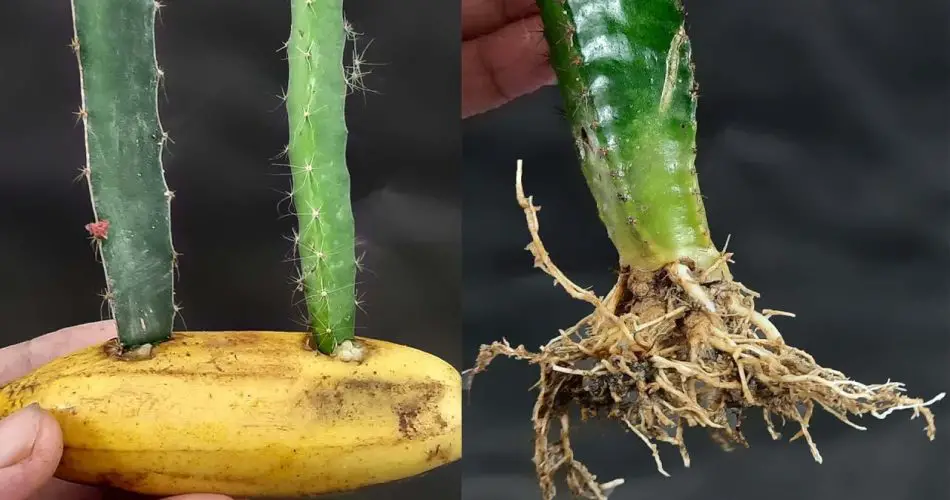
Insert the cut end of the dragon fruit cutting into the hole you made in the banana. Press the cutting gently into the flesh of the banana, ensuring that the cut surface of the dragon fruit cutting is in contact with the banana’s nutrient-rich flesh. The banana will provide a moist, protective environment while the cutting forms roots. - Place in a Warm, Indirect Sunlight Area
After inserting the cutting into the banana, place the banana in a warm, dry place with indirect sunlight. The temperature should be between 70°F-85°F (21°C-29°C), as this will encourage rooting. Avoid placing it in direct sunlight, as the banana could overheat and dry out too quickly. A humid environment is ideal for the cutting, so make sure the area is not too dry. - Wait for Root Development
Over the next 2-3 weeks, the cutting should begin to develop roots. The banana will provide the moisture and nutrients needed to help the cutting thrive. You may notice the banana starting to break down as it nourishes the cutting. You can check the roots by gently tugging on the cutting. If you feel resistance, that’s a sign that the roots have started to develop. - Transplant the Rooted Cutting
Once the dragon fruit cutting has developed a healthy set of roots, it’s time to transplant it into soil. Gently remove the cutting from the banana, being careful not to damage the new roots. Prepare a small pot with well-draining soil—a mix of cactus soil, perlite, and sand works well for dragon fruit. Plant the rooted cutting in the soil, making sure the roots are covered but the rest of the cutting is above the surface. - Care for the New Dragon Fruit Plant
After transplanting, place the pot in a location that receives bright, indirect sunlight. Dragon fruit plants love sunlight, but young cuttings should be protected from the harsh midday sun to prevent wilting. Water the plant lightly, keeping the soil moist but not soggy. As the plant grows, you can gradually increase the amount of direct sunlight it receives. Be patient, as it may take a few months for the cutting to grow strong enough to begin flowering and fruiting.
Tips for Success
- Use a Healthy Cutting: Select a healthy, semi-woody cutting for the best chance of successful rooting.
- Keep the Banana Moist: If the banana begins to dry out too quickly, replace it with a fresh one. The cutting needs a moist environment to root properly.
- Ensure Proper Temperature: A warm, humid environment is essential for rooting. Aim for temperatures between 70°F-85°F (21°C-29°C).
- Be Patient: Rooting can take 2-3 weeks or longer, so be patient and avoid disturbing the cutting during this time.
- Transplant Gently: When transplanting the cutting, handle the new roots carefully to avoid damaging them.
Conclusion
Growing a dragon fruit plant from a cutting in a banana is an innovative, easy, and natural way to propagate this tropical cactus. The banana provides a nutrient-rich and moist environment that helps the cutting establish roots while protecting it from drying out. This method requires minimal effort, no synthetic rooting hormones, and makes use of everyday, natural materials. With a little patience and care, you’ll soon have a thriving dragon fruit plant, ready to bloom and produce fruit in your garden. Happy propagating!