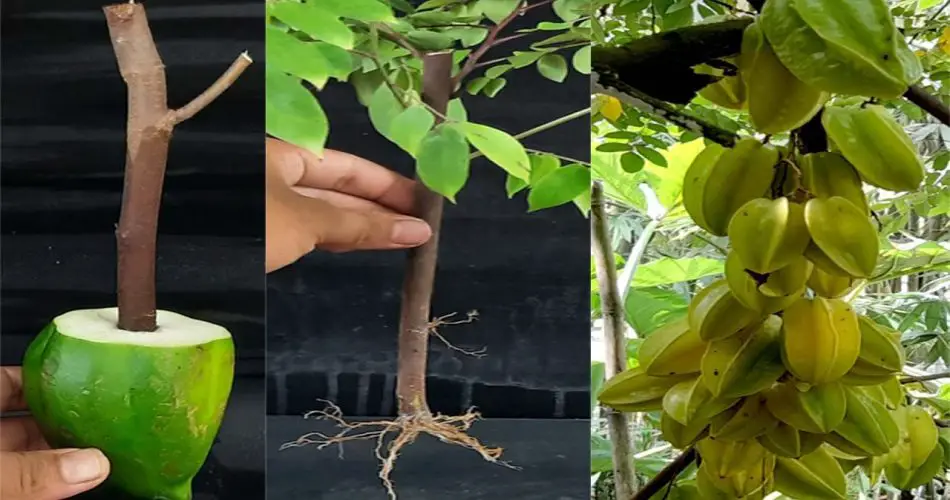
The star fruit tree (Averrhoa carambola) is known for its unique, star-shaped fruit and its sweet-tart flavor. It’s not only a beautiful addition to your garden, but also a rewarding one, as the tree produces delicious fruit that you can enjoy fresh or in various dishes. Growing a star fruit tree from a cutting is a straightforward and cost-effective way to cultivate this tropical tree in your own home or garden. Here’s a step-by-step guide on how to grow a star fruit tree from cutting, using simple methods that anyone can try.
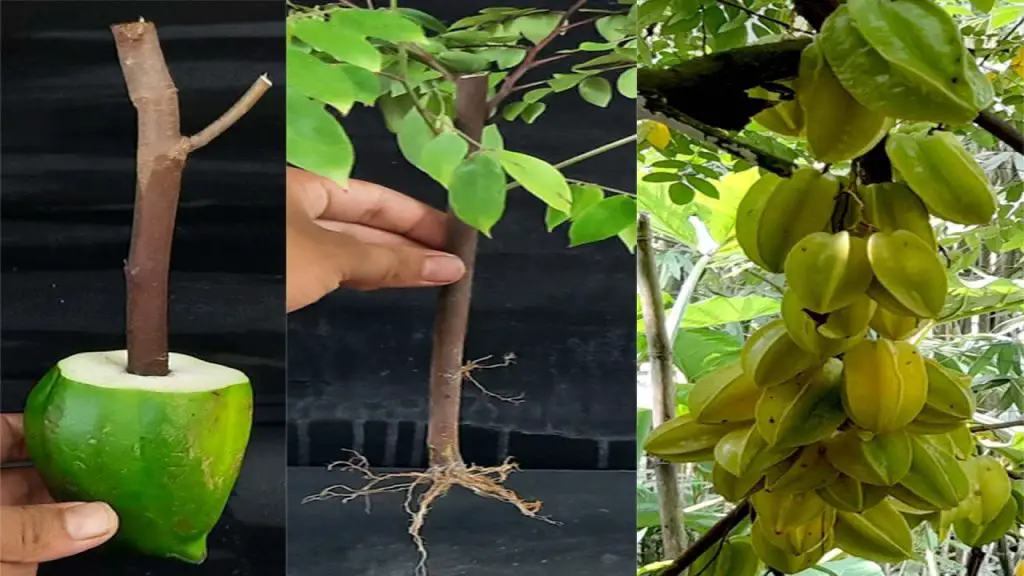
Why Grow a Star Fruit Tree from Cutting?
Growing a star fruit tree from cutting has several benefits. First, it’s a faster method than starting from seeds, as you will be cultivating a genetically identical tree to the parent plant. This means the tree will maintain its fruit quality and growth traits. Additionally, using cuttings can save money compared to purchasing a fully grown tree, and it’s a great way to propagate your favorite varieties of star fruit.
Step-by-Step Guide: How to Grow a Star Fruit Tree from Cutting
Follow these steps to successfully propagate a star fruit tree using a cutting:
1. Select a Healthy Cutting
Start by selecting a healthy branch from a mature star fruit tree. Choose a branch that is 2-4 inches long, and make sure it has no signs of disease or pests. The cutting should ideally be taken from a tree that is at least a few years old. Select a branch with several leaf nodes, as these will encourage the cutting to root.
2. Prepare the Cutting
Using a clean, sharp pair of scissors or pruning shears, cut the branch at a slight angle, just below a leaf node. Make sure the cutting has 3-4 leaf nodes. After cutting, remove the lower leaves to expose the stem. This will allow the cutting to focus its energy on developing roots, rather than supporting the leaves.
3. Apply Rooting Hormone
To improve the chances of successful root growth, dip the cut end of the star fruit cutting in a rooting hormone powder. Rooting hormone contains growth-promoting compounds that stimulate root development and increase the likelihood of success.
4. Prepare the Pot and Soil
Choose a small pot with good drainage. Fill the pot with a well-draining potting mix. A mix of perlite, sand, and peat moss works well for propagating cuttings. This type of mix ensures proper drainage and prevents the cutting from becoming waterlogged, which could cause it to rot.
5. Plant the Cutting
Make a small hole in the potting mix with your finger or a stick and gently place the cutting into the hole, ensuring that the cut end is buried about 2 inches deep. Firm the soil around the cutting to provide support and keep the cutting in place.
6. Provide Ideal Conditions
After planting, place the pot in a warm, sunny location where it can receive bright, indirect sunlight. Avoid placing the cutting in direct sunlight, as it can stress the plant and cause the cutting to dry out. To maintain high humidity around the cutting, you can cover the pot with a clear plastic bag or a plastic dome. This will help retain moisture and create a mini greenhouse effect, which encourages root growth.
7. Watering and Care
Keep the soil moist, but not waterlogged. Water the cutting when the top inch of soil feels dry, but ensure the pot has proper drainage to avoid root rot. Mist the cutting occasionally to maintain humidity, but don’t soak the leaves or stem. If you’re using a plastic cover, open it occasionally to allow fresh air in and prevent mold growth.
8. Wait for Roots to Develop
It can take anywhere from 4-8 weeks for the cutting to develop roots. During this time, keep an eye on the cutting and look for signs of new growth, such as fresh leaves or tiny roots emerging from the base. Once you see strong root development and new growth, the cutting is ready to be transplanted into a larger pot or directly into the ground if the weather allows.
Transplanting the Star Fruit Tree
When the cutting has established enough roots and shows signs of new growth, it’s time to transplant it into a larger pot or into your garden. If planting in the garden, choose a sunny spot with well-draining soil. Star fruit trees prefer tropical or subtropical climates, so make sure the temperature is consistently warm and there’s no risk of frost.
Tips for Growing a Healthy Star Fruit Tree
- Sunlight: Star fruit trees require full sun to grow properly and produce fruit. Ensure the tree gets at least 6-8 hours of sunlight each day.
- Watering: Water the tree regularly, but be careful not to overwater. Let the soil dry out between waterings to prevent root rot.
- Fertilizing: Use a balanced fertilizer with essential nutrients like nitrogen, phosphorus, and potassium. Fertilize during the growing season, usually from spring to late summer.
- Pruning: Prune your tree to remove dead or damaged branches and encourage new growth. This will also help maintain the shape of the tree.
Why Grow a Star Fruit Tree?
Star fruit trees are not only a delightful addition to any garden, but they also offer delicious fruit that can be eaten fresh, juiced, or used in cooking. By propagating your tree from a cutting, you’re ensuring that you get a healthy, thriving plant with all the qualities of the parent tree.
Conclusion
Growing a star fruit tree from a cutting is an easy and cost-effective way to enjoy this tropical fruit right at home. With patience and the right care, your cutting will develop into a strong tree that produces star-shaped fruit. Whether you choose to grow it in a pot or directly in your garden, the star fruit tree is a rewarding and beautiful plant that will bring joy for years to come. Happy gardening!