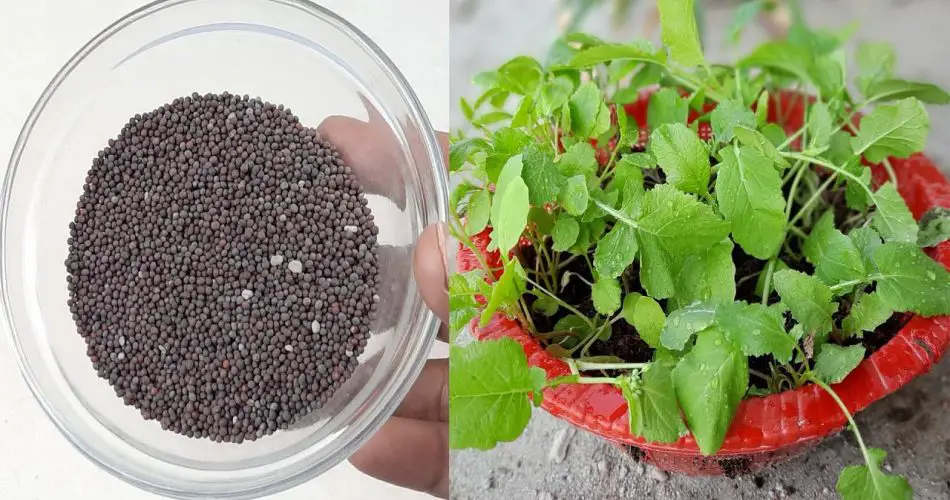
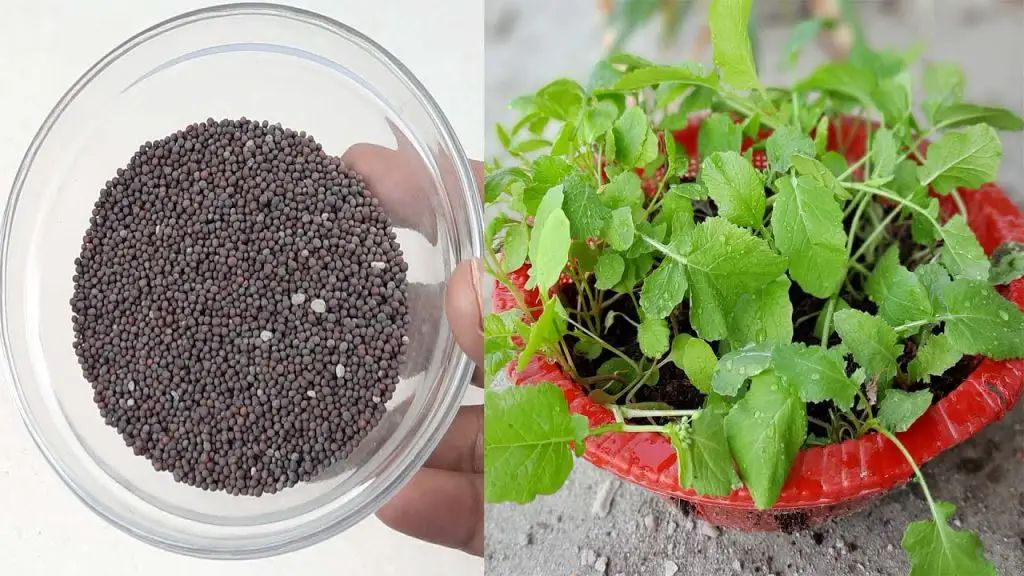
Growing mustard plants from seeds is an exciting and rewarding gardening experience. Known for their quick growth and easy care, mustard plants can be grown both indoors and outdoors. Whether you’re planting them in your garden or on a windowsill, mustard seeds offer a simple and fast germination process. In this article, we’ll guide you through the essential steps to ensure successful mustard seed germination for vibrant, healthy plants.
Materials You Will Need
Before you start, gather the following supplies:
- Mustard seeds (available at garden centers or online)
- Seed-starting tray or small pots
- Well-draining soil or seed-starting mix
- Water (preferably room temperature)
- Plastic wrap or a clear plastic cover
- Sunny location or grow light (if growing indoors)
Step-by-Step Guide to Mustard Seed Germination
1. Prepare the Soil
Start by preparing your seed trays or pots with a good quality seed-starting mix or well-draining soil. Mustard seeds prefer loamy and slightly acidic soil. Make sure the containers have proper drainage holes to avoid waterlogging.
- Fill your tray or pots with the soil mix, leaving a small gap at the top to prevent water from spilling over.
- Moisten the soil evenly before planting the seeds.
2. Plant the Mustard Seeds
Mustard seeds are tiny, but don’t let that fool you! They are easy to plant and quick to germinate.
- Sprinkle the mustard seeds evenly on the soil surface, then gently press them down.
- Cover the seeds lightly with a thin layer of soil. You don’t need to bury them too deep—just enough to cover them.
- If planting multiple seeds, ensure they are spaced about 1-2 inches apart to allow for healthy root development.
3. Create a Humid Environment
Mustard seeds require a moist environment to germinate successfully. After planting the seeds, it’s essential to maintain the soil’s moisture level.
- Cover the seed tray or pots with plastic wrap or a clear plastic cover. This helps trap moisture and creates a greenhouse effect.
- Place the container in a warm location, preferably with a temperature between 60°F and 70°F (15°C – 21°C).
4. Water Gently
Watering is crucial during the germination process, but be careful not to overwater. The soil should remain moist but not soggy.
- Use a gentle spray bottle to water the seeds lightly. This will prevent disturbing the soil and seeds.
- Check the moisture level daily and ensure the soil doesn’t dry out. If needed, mist the surface to keep it moist.
5. Germination Time
Mustard seeds are known for their quick germination. You should start to see tiny sprouts within 3-5 days. The seeds will emerge as small green shoots, ready for their next phase of growth.
- Keep the soil consistently moist during this period.
- Once the seeds sprout, remove the plastic cover to allow the seedlings to get fresh air and sunlight.
6. Provide Adequate Light
As the mustard seedlings grow, they will need more light to thrive. If you’re growing them indoors, place the containers in a sunny spot that gets at least 4-6 hours of sunlight a day. If natural light is insufficient, you can use a grow light to supplement.
- Ensure the seedlings get enough light to keep them healthy and strong. Lack of light can lead to weak, leggy plants.
7. Transplant the Seedlings
Once the seedlings are large enough to handle and have developed a few sets of true leaves, they are ready to be transplanted into larger containers or directly into the garden.
- Thin the seedlings to prevent overcrowding, leaving only the healthiest ones.
- If planting outdoors, ensure the soil is well-drained, and the temperature is above 50°F (10°C) to avoid frost damage.
Tips for Successful Mustard Seed Germination
- Soil pH: Mustard plants prefer slightly acidic soil with a pH level of 6.0 to 7.0. If necessary, amend the soil to adjust the pH.
- Watering: Be cautious with watering. Overwatering can lead to root rot, while underwatering can stunt growth.
- Temperature: Mustard seeds germinate best at warm temperatures. If the weather is too cold, consider growing them indoors or using a seedling heat mat.
Conclusion
Germinating mustard seeds is a simple, fast, and rewarding process that can be done in just a few steps. By following these guidelines and providing your seeds with the right conditions, you’ll be able to grow vibrant mustard plants that will thrive in your garden or home. Whether you’re looking to harvest mustard greens or enjoy the beauty of mustard flowers, this easy and fast germination process will get you on the right track to success! Happy planting!