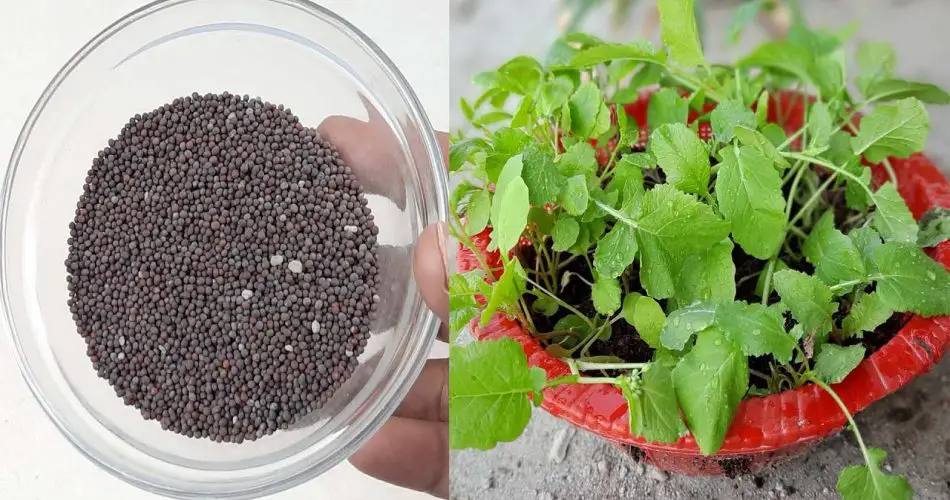
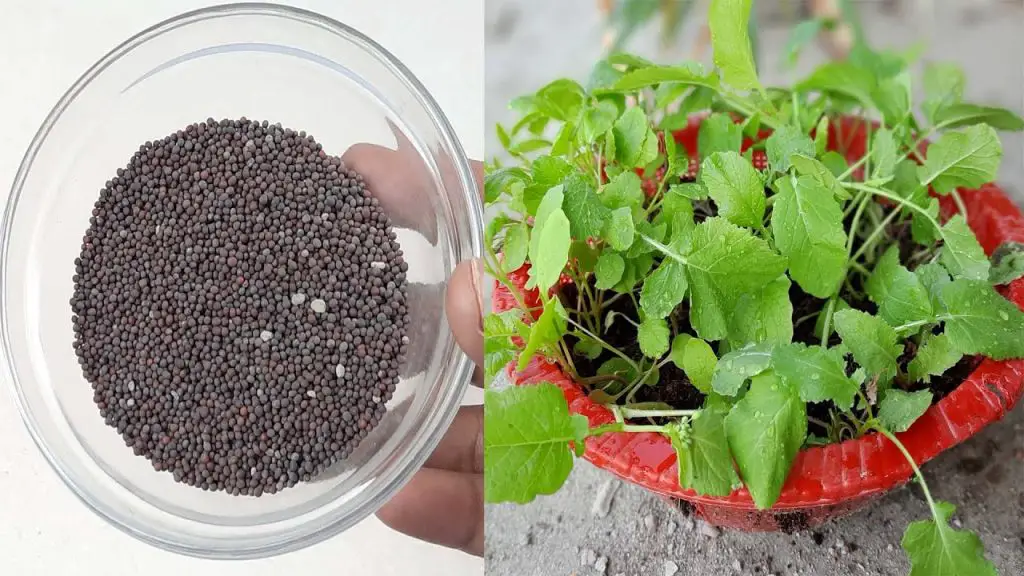
Growing mustard plants at home is an incredibly easy and fast process that can reward you with fresh, homegrown greens and seeds in no time. Whether you want to grow mustard for its spicy leaves, nutritious seeds, or as a cover crop for your garden, germinating mustard seeds is simple and efficient. In this article, we will walk you through the mustard seed germination process, so you can get started growing your own mustard plants today!
Why Grow Mustard?
Mustard plants are not only easy to grow but also highly nutritious. Mustard greens are packed with vitamins, minerals, and antioxidants, making them a great addition to your diet. Mustard seeds can be used for culinary purposes, as well as for making mustard oil. Growing mustard at home is also a fun way to experience how quickly seeds can sprout and become a flourishing plant.
What You’ll Need for Mustard Seed Germination
Before you begin, gather the following materials for the germination process:
- Mustard seeds (choose a variety that suits your needs—either for greens or for seeds)
- Potting soil or garden soil with good drainage
- A small container or seed tray (if growing indoors) or a garden bed (if planting outside)
- A watering can or spray bottle for gentle watering
- Plastic wrap or a clear plastic dome to help retain moisture
- A warm, sunny location for optimal growth
Step-by-Step Guide to Germinate Mustard Seeds
Step 1: Prepare Your Growing Space
Whether you are planting mustard seeds in a container, seed tray, or garden bed, the first step is to make sure the soil is ready.
- Indoor planting: If you’re growing mustard indoors, fill a seed tray or small container with potting soil. Make sure the container has drainage holes to prevent water from accumulating at the bottom.
- Outdoor planting: For outdoor planting, choose a sunny spot with well-draining soil. If your soil is compact, consider loosening it with a garden fork or a tiller.
Step 2: Plant the Mustard Seeds
Mustard seeds are small, but they are relatively easy to handle and plant.
- Sow the seeds: Sprinkle the mustard seeds evenly on the surface of the soil. You can space the seeds 1-2 inches apart for better airflow and growth.
- Lightly cover the seeds: Gently cover the seeds with a thin layer of soil (about 1/4 inch deep). Don’t bury them too deeply, as mustard seeds need light to germinate.
Step 3: Water Gently
Mustard seeds need consistent moisture to germinate, but they don’t like to be waterlogged.
- Water the soil gently using a watering can with a fine spray or a spray bottle. Keep the soil moist but not soaking wet. Overwatering can lead to fungal diseases or seed rot.
- Ensure the soil remains moist throughout the germination process, but avoid standing water in the container or garden bed.
Step 4: Create a Warm Environment
Mustard seeds require warmth to germinate efficiently. Ideally, the temperature should be between 60°F and 85°F (15°C and 30°C).
- If you’re growing mustard seeds indoors, cover the container with plastic wrap or use a clear plastic dome to help retain moisture and create a warm environment.
- For outdoor planting, mustard will usually germinate well in spring or fall when the weather is mild. You can also use a row cover to trap warmth if you’re planting early in the season.
Step 5: Wait for Germination
With the right conditions, mustard seeds typically begin to germinate within 3-7 days. You will notice tiny green sprouts poking through the soil. The germination time can vary depending on the variety of mustard and the environmental conditions.
- Check the seeds daily to monitor moisture levels and make sure the soil stays evenly moist.
- Once the seeds start to sprout, remove the plastic covering to allow the seedlings to get plenty of light.
Step 6: Thin the Seedlings (Optional)
Once your mustard seedlings have grown a few inches tall, you may want to thin them to prevent overcrowding and ensure proper growth.
- Space out the plants by removing the weaker seedlings, leaving about 6-8 inches between each plant if growing mustard for larger leaves.
- If you want to harvest baby mustard greens, you can keep the seedlings closer together, but still ensure they have enough space to develop.
Step 7: Provide Sunlight and Regular Care
Mustard plants love the sun and need at least 4-6 hours of sunlight per day to thrive. If you’re growing mustard indoors, place the container in a bright windowsill or under grow lights.
- Water regularly: Keep the soil moist but not soggy, especially as the plants continue to grow.
- Fertilize lightly: You can apply a balanced fertilizer or organic compost to support growth, but avoid overfeeding, as mustard plants tend to thrive in nutrient-rich soil without excessive fertilization.
Harvesting Mustard
Depending on the variety, mustard can be harvested as baby greens or allowed to grow larger for mature leaves or seeds.
- Baby mustard greens: If you want to harvest mustard leaves while they are young, begin cutting the outer leaves once the plant has a few true leaves (about 2-3 weeks after germination). This method allows the inner leaves to continue growing.
- Mature leaves: For larger, mature leaves, let the plant continue to grow for 4-6 weeks, depending on the variety.
- Mustard seeds: If you’re growing mustard to harvest seeds, allow the plant to flower and set seed. Once the pods dry out, you can collect and store the mustard seeds for later use.
Tips for Fast and Successful Mustard Seed Germination
- Soil temperature is crucial for germination. If growing indoors, try using a seed heat mat to maintain an ideal temperature.
- Direct sowing outdoors: If planting outdoors, you can direct sow the mustard seeds in early spring or fall, when the weather is cool and mild.
- Thin seedlings early to avoid competition and ensure better growth.
- Regular watering is essential, but be mindful of overwatering, which can cause fungal issues.
Conclusion
The mustard seed germination process is fast, simple, and rewarding. Whether you’re growing mustard for greens, seeds, or as a cover crop, this plant is perfect for beginner gardeners and experienced green thumbs alike. By following these easy steps, you’ll be able to germinate your mustard seeds quickly, enjoy healthy seedlings, and watch your mustard plants thrive in no time. Happy gardening, and enjoy your homegrown mustard harvest! 🌱