Breeding and propagating plants without spending money can be a rewarding and sustainable endeavor. Here are some techniques that allow you to expand your plant collection without breaking the bank:
- Seed Saving: Save seeds from your existing plants. Allow the plants to go to seed, harvest the seeds, and store them for future planting. This works well for many annuals and some perennials. Examples include tomatoes, peppers, and sunflowers.
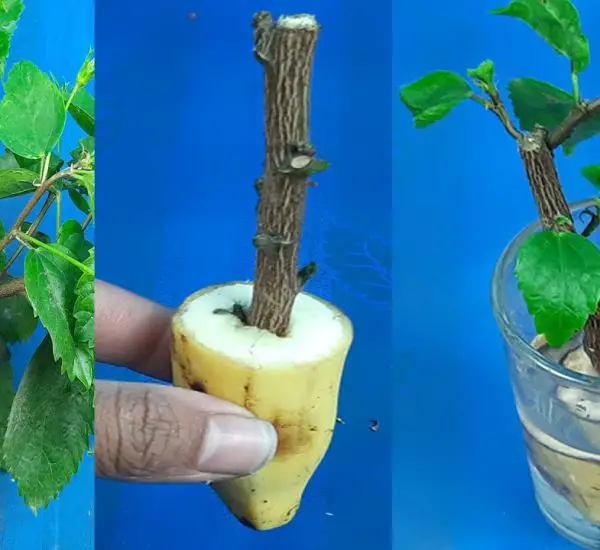
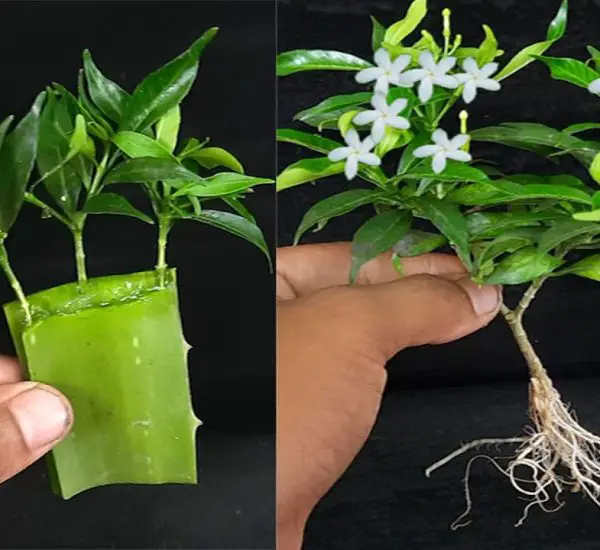
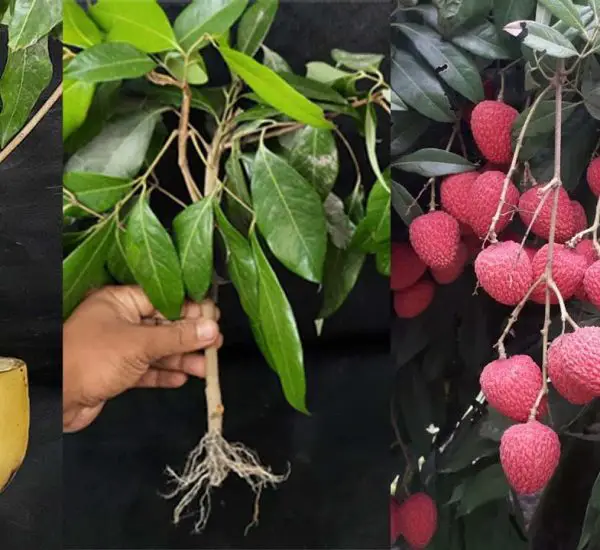
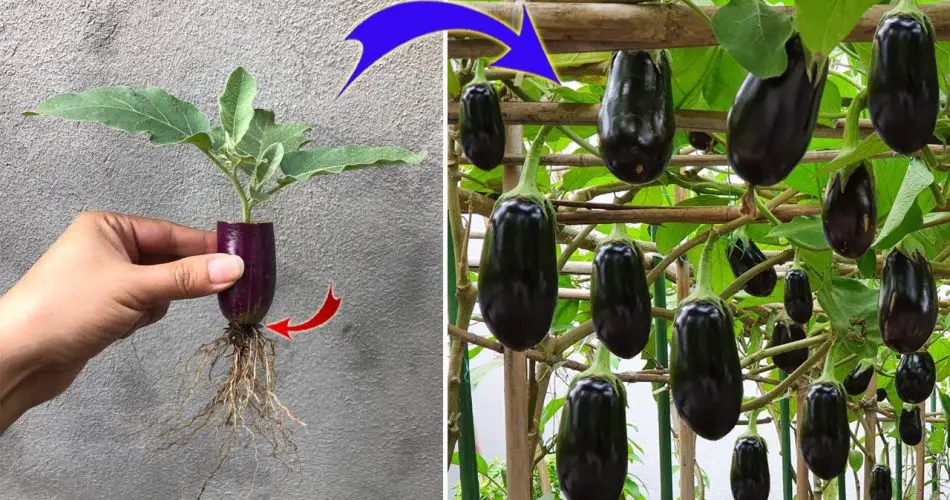
- Propagation by Cuttings: Many plants can be propagated from cuttings. Snip a healthy portion of a plant, typically a stem with leaves, and root it in water or soil. This technique is suitable for herbs like basil, mint, and rosemary.
- Division: Some perennials can be divided into multiple plants. When a plant has grown large enough, carefully dig it up and separate it into smaller sections. Examples include hostas and daylilies.
- Layering: Encourage a plant to form roots while still attached to the parent plant. Bury a section of a low-growing stem, keep it moist, and wait for roots to develop. This works well for plants like strawberries and certain shrubs.
- Offsets and Runners: Some plants produce offsets or runners that can be separated and replanted. Examples include spider plants (Chlorophytum comosum) and strawberry plants.
- Suckering: Plants that send up suckers or shoots from the base can be divided and transplanted. Examples include bamboo and some fruit trees.
- Leaf Cuttings: Certain plants can be propagated from individual leaves. African violets, jade plants, and snake plants are examples that can be propagated using this method.
- Root Cuttings: Certain plants can be propagated from sections of their roots. Divide the root system, and plant the sections. This method works well for plants like horseradish.
- Volunteer Seedlings: Allow seeds that fall from your existing plants to germinate and grow. These volunteer seedlings can be transplanted to new locations.
- Community Plant Swaps: Participate in local plant exchange events or online plant swap communities. Share your surplus plants with others and acquire new varieties without spending money.
Remember to follow ethical and legal guidelines when collecting plant material, and be mindful of the specific requirements of each plant species. Experiment with different techniques to find what works best for the plants you are interested in propagating.
Show Comments