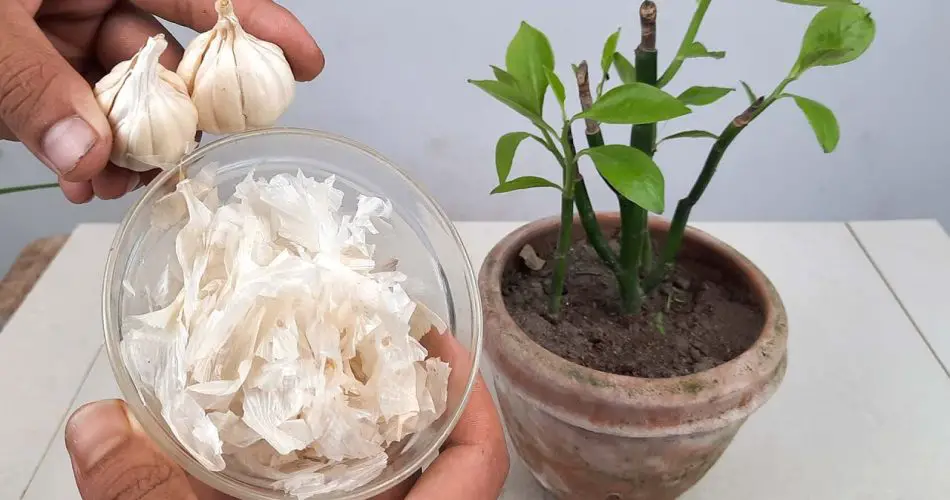
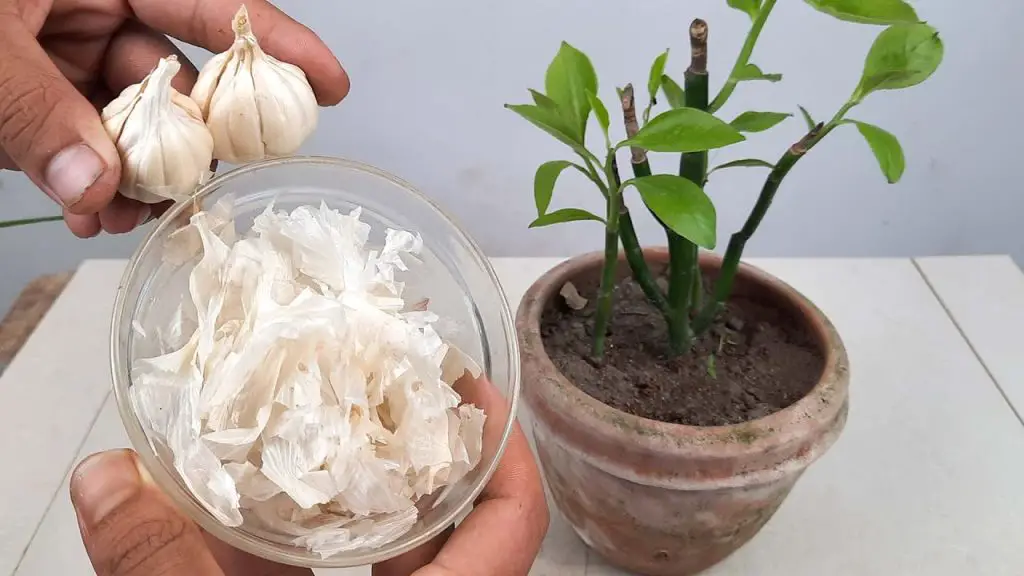
Garlic is an essential ingredient in many kitchens around the world, known for its strong flavor and health benefits. But did you know that garlic peels, often discarded after use, can also be a powerful natural fertilizer for plants? Garlic peel fertilizer is a fantastic, eco-friendly option to nourish your plants, enhance their growth, and improve soil health. In this article, we’ll explore the benefits of using garlic peels for plants and show you how to make and use garlic peel fertilizer effectively.
Why Use Garlic Peels for Plants?
Garlic peels are packed with essential nutrients, including phosphorus, potassium, calcium, and sulfur, which can benefit plant health and soil fertility. These natural components help improve soil structure, encourage root development, and enhance plant immunity to pests and diseases. Moreover, garlic peels contain antibacterial and antifungal properties, making them a great choice for strengthening plant defenses against common soil-borne pathogens.
Benefits of Garlic Peel Fertilizer
- Boosts Plant Growth: The nutrients in garlic peels promote robust root growth, encourage flowering, and help your plants grow healthier and faster.
- Improves Soil Quality: Garlic peels can enhance soil fertility, making the soil richer and more fertile for plants to thrive.
- Repels Pests and Diseases: The natural compounds found in garlic peels can deter harmful pests and combat fungal diseases, ensuring that your plants remain healthy.
- Eco-Friendly: Using garlic peels as a fertilizer reduces food waste and provides a sustainable alternative to chemical fertilizers, contributing to a greener environment.
How to Make Garlic Peel Fertilizer
There are several ways to use garlic peels to make a natural fertilizer for your plants. Below are a couple of effective methods for creating and using garlic peel fertilizer:
1. Garlic Peel Tea Fertilizer
Garlic peel tea is an easy-to-make liquid fertilizer that can be used to water your plants. The infusion process helps release the nutrients in garlic peels, making them readily available for your plants.
What You’ll Need:
- Garlic peels (from 5-6 cloves)
- Water (1 liter)
- A pot or container
- A strainer or cheesecloth
Steps:
- Collect garlic peels from 5-6 garlic cloves and place them in a pot.
- Pour 1 liter of water over the garlic peels and bring the mixture to a boil.
- Let the water simmer for 10-15 minutes, allowing the garlic peels to release their nutrients.
- After the water has cooled, strain the mixture to remove the peels.
- Transfer the liquid into a bottle or container for easy use.
- Water your plants with the garlic peel tea once a week. Pour the tea directly onto the soil around the base of your plants.
This method not only provides a nutrient boost but also helps hydrate your plants and combat pests like aphids and mosquitoes.
2. Garlic Peel Compost
If you have a compost pile or bin, garlic peels make an excellent addition. Adding garlic peels to your compost enriches the organic matter, which eventually breaks down and improves soil structure.
What You’ll Need:
- Garlic peels
- A compost pile or bin
- Other organic waste (leaves, vegetable scraps, etc.)
Steps:
- Collect the garlic peels and mix them with other organic waste like vegetable scraps, leaves, and grass clippings.
- Stir the compost regularly to ensure that the garlic peels break down and decompose.
- After several weeks to months, the garlic peel compost will be ready to use. It should have a rich, dark color and a crumbly texture.
- Add the compost to your garden soil or potted plants to enhance soil fertility and promote healthy plant growth.
3. Direct Application of Garlic Peels
Another simple way to use garlic peels is by directly applying them to the soil.
What You’ll Need:
- Garlic peels
- A shovel or hand rake
Steps:
- Simply scatter the garlic peels on the surface of your garden bed or potted plant soil.
- Use a shovel or hand rake to lightly mix the peels into the top few inches of soil.
- Water the area well to help the garlic peels decompose and release their nutrients into the soil.
- Over time, the garlic peels will break down and enrich the soil, promoting better plant health.
Tips for Using Garlic Peel Fertilizer
- Avoid Overuse: While garlic peels are beneficial for plants, too much of it can cause an imbalance in the soil. Use garlic peel fertilizer in moderation to avoid nutrient overload.
- Use Fresh Peels: For the most effective fertilizer, use fresh garlic peels rather than dried ones. Fresh peels contain more nutrients and active compounds.
- Combine with Other Fertilizers: For maximum results, consider combining garlic peel fertilizer with other organic fertilizers like compost, worm castings, or coffee grounds to provide a balanced nutrient mix.
- Apply Seasonally: Apply garlic peel fertilizer during the growing season when your plants are actively developing to give them a boost.
Conclusion
Garlic peel fertilizer is an excellent, natural solution to promote healthy plant growth, improve soil fertility, and protect your garden from pests and diseases. By using garlic peels, you can take advantage of a sustainable and eco-friendly alternative to chemical fertilizers while contributing to a cleaner environment. Whether you’re using garlic peel tea, adding them to your compost, or applying them directly to the soil, this simple method will ensure that your plants stay strong, vibrant, and thriving.