When it comes to growing healthy plants, using natural fertilizers can make a big difference in promoting strong roots, lush foliage, and vibrant blooms. While there are many commercial fertilizers available, nature provides us with powerful, free resources that can enrich the soil and help our plants thrive. One such resource is the onion peel, a commonly discarded item that can be transformed into a nutrient-packed natural fertilizer. In this article, we’ll explore the benefits of using onion peel for plants and how you can easily incorporate it into your gardening routine.
1. Why Use Onion Peel for Plants?
Onion peels may seem like waste, but they are actually an excellent organic fertilizer for your garden. They are rich in essential nutrients that can benefit a wide variety of plants, including vegetables, flowers, and indoor greenery. Here’s why onion peels are great for plants:
- Rich in Nutrients: Onion peels contain essential minerals like potassium, phosphorus, calcium, and iron, which are vital for plant growth. These nutrients help improve root development, enhance flowering, and boost overall plant health.
- High in Antioxidants: Onion skins are loaded with antioxidants, which can promote plant health by reducing stress and improving their resilience to diseases and pests.
- Natural Pest Repellent: The sulfur compounds in onion peels can act as a natural repellent to insects and pests that often attack plants. This makes onion peels a valuable addition to your garden, helping to keep harmful insects at bay.
- Improves Soil Quality: Onion peels break down over time and contribute to improving the structure and texture of the soil. This leads to better drainage, improved aeration, and increased water retention—all factors that contribute to healthier plant roots.
2. How to Use Onion Peel for Plants
There are several ways to incorporate onion peels into your gardening routine. Whether you prefer to use them as a compost, fertilizer, or mulch, onion peels offer an easy and eco-friendly solution for enriching your plants. Here are a few methods:
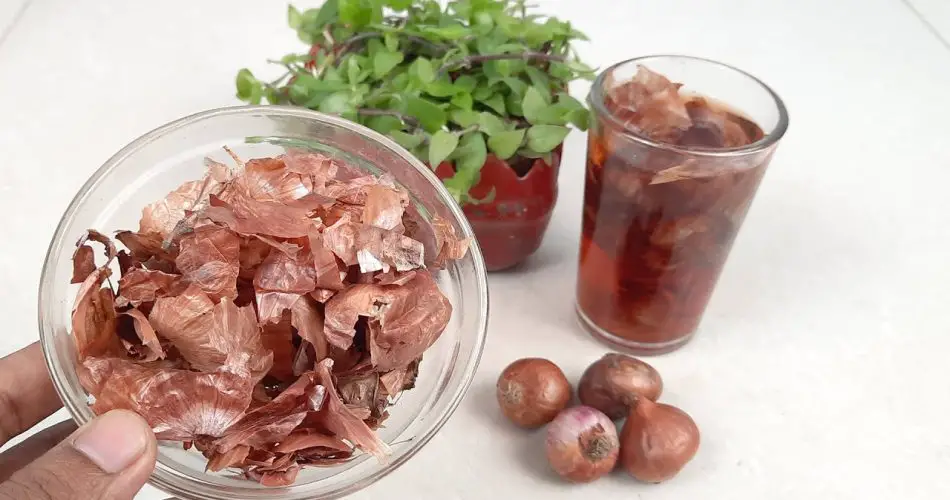
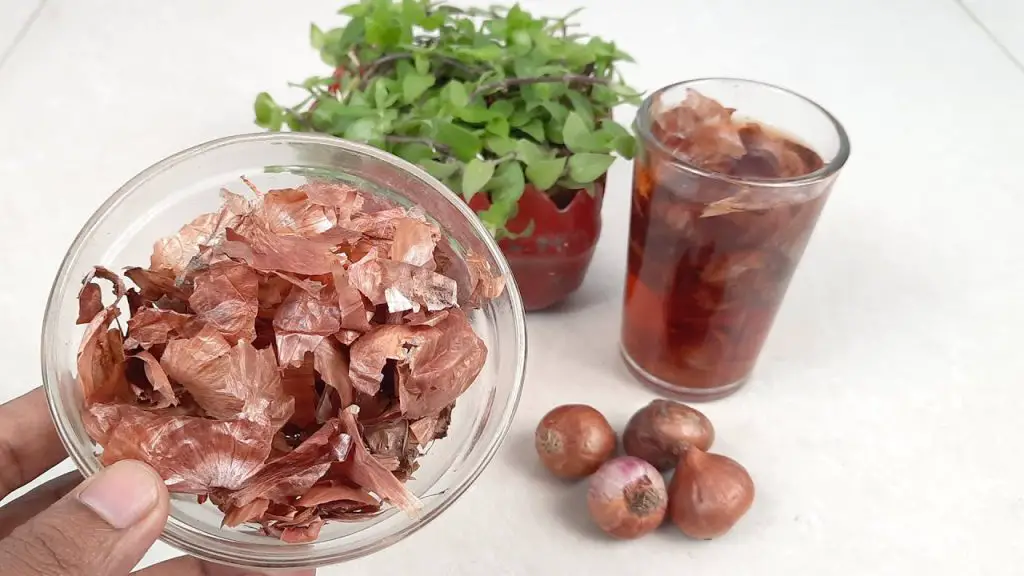
1. Onion Peel Tea
One of the simplest and most effective ways to use onion peels is by making an onion peel tea. This liquid fertilizer can be used to water your plants, delivering nutrients directly to the roots.
How to Make Onion Peel Tea:
- Collect your onion peels (about 1-2 onions worth of peels).
- Boil the onion peels in 4-5 cups of water for about 10-15 minutes.
- Let the mixture cool down to room temperature.
- Strain the liquid to remove any bits of peel.
- Use the tea to water your plants every 2-3 weeks.
Onion peel tea provides a gentle nutrient boost to your plants, helping them grow strong and healthy without the risk of over-fertilization.
2. Composting Onion Peels
Another great way to use onion peels is by adding them to your compost pile. As they break down, onion peels contribute valuable nutrients to the compost, creating a rich, organic material that can be used to fertilize your plants.
How to Compost Onion Peels:
- Simply add the onion peels to your compost bin along with other green waste like vegetable scraps and coffee grounds.
- Break the peels into smaller pieces to speed up the decomposition process.
- Mix the onion peels with brown materials (like dry leaves or cardboard) to maintain a balanced carbon-to-nitrogen ratio.
- Turn the compost regularly to ensure even decomposition.
In a few weeks, you’ll have nutrient-dense compost that can be applied directly to your garden beds, improving the soil structure and providing your plants with essential nutrients.
3. Onion Peel Mulch
Using onion peels as mulch around your plants is another great way to utilize them in your garden. Mulch helps retain moisture in the soil, suppresses weed growth, and gradually releases nutrients as it decomposes.
How to Use Onion Peel as Mulch:
- Collect dried onion peels and scatter them around the base of your plants as a protective layer.
- Make sure the peels are spread thinly and evenly, covering the soil but not directly touching the plant stems.
- Onion peels will break down slowly, adding organic matter to the soil over time.
This method is particularly useful for outdoor plants like tomatoes, cucumbers, and flowers, especially during the hot summer months when moisture retention is crucial.
4. Direct Soil Application
You can also apply onion peels directly to the soil as a form of slow-release fertilizer. Simply chop up the peels into small pieces and mix them into the soil around your plants. As the peels decompose, they will release nutrients that benefit the plants over time.
How to Apply Onion Peels Directly:
- Cut onion peels into small, manageable pieces.
- Gently work the pieces into the top layer of soil around your plants, making sure they’re not buried too deep.
- Water the soil well after application to help the decomposition process begin.
This method is great for perennial plants, garden beds, or container plants that require slow, steady nutrient release.
3. Benefits of Onion Peel Fertilizer
Using onion peels as a fertilizer or compost additive offers numerous benefits for your plants and the environment:
- Eco-friendly: Onion peels are a natural and sustainable way to fertilize your plants without relying on harmful chemicals.
- Cost-effective: By using kitchen waste, you reduce the need to buy expensive fertilizers or soil amendments.
- Nutrient-rich: Onion peels provide a balanced source of essential nutrients like potassium, calcium, and magnesium, all of which help improve plant health.
- Supports Healthy Growth: The antioxidants and sulfur compounds found in onion peels help boost plant immunity, reduce the risk of disease, and promote overall growth.
4. Precautions When Using Onion Peels
While onion peels are generally safe for most plants, there are a few things to keep in mind:
- Avoid Overuse: As with any organic material, be sure not to overuse onion peels. Using too much can lead to an imbalance in the soil or excessive decomposition, which could harm your plants.
- Pest Issues: Onion peels have a strong odor that can attract pests, so make sure to store them properly if you’re not using them immediately.
- Avoid Direct Contact with Seeds: If you’re using onion peels in your compost or mulch, avoid direct contact with seeds or very young plants, as the high levels of sulfur might inhibit germination.
Conclusion
Onion peels are an amazing, natural fertilizer that can improve the health and growth of your plants. Rich in essential nutrients, antioxidants, and sulfur, they offer multiple benefits, from enhancing soil quality to acting as a natural pest repellent. By utilizing onion peels as mulch, compost, or a liquid fertilizer, you can create a sustainable, eco-friendly gardening routine that promotes vibrant, thriving plants. So, the next time you cook with onions, don’t throw away those peels—put them to good use in your garden!