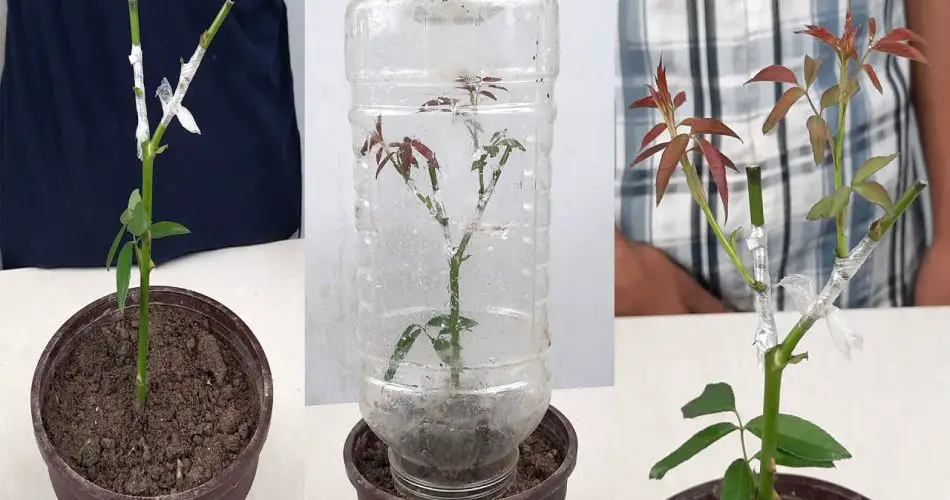
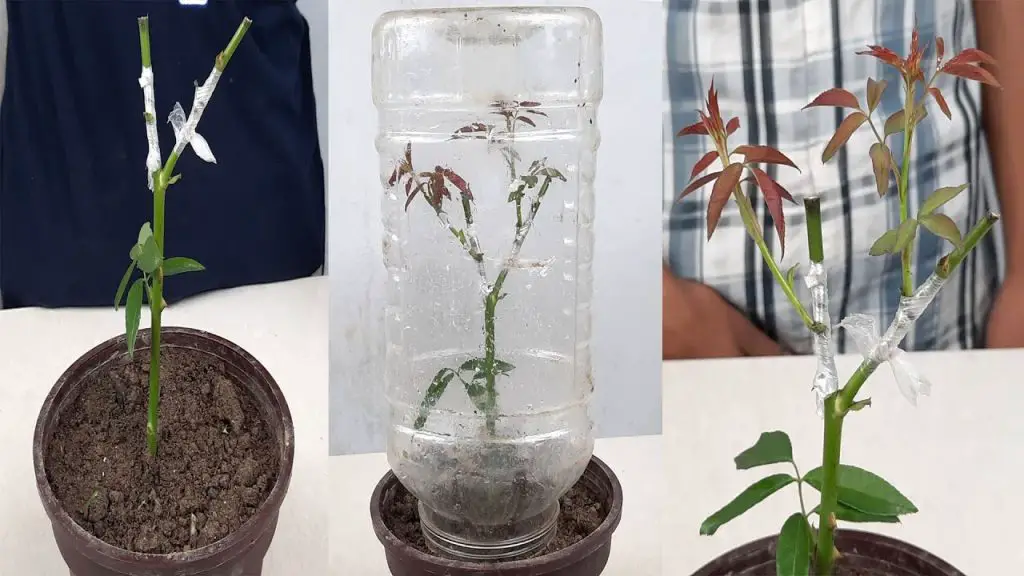
Grafting is an incredible technique used to propagate roses, allowing you to create new plants with desired traits. This method combines the strengths of two plants: the rootstock provides stability and disease resistance, while the scion (the bud) offers the desired flower variety. Here’s a step-by-step guide to the rose bud grafting process.
Why Choose Grafting?
- Variety: Grafting allows you to propagate specific rose varieties that may not root well from cuttings.
- Disease Resistance: Using healthy rootstock can improve the plant’s overall resilience.
- Faster Growth: Grafted roses often establish more quickly than those grown from seed.
Materials Needed
- Rootstock: A healthy, vigorous rose plant.
- Scion (Bud): A healthy bud from the desired rose variety.
- Sharp Knife or Grafting Tool: For making clean cuts.
- Grafting Tape or Rubber Bands: To secure the graft.
- Sealant (Optional): To protect the graft site.
Step-by-Step Grafting Process
1. Prepare the Rootstock
- Select the Right Rootstock: Choose a healthy, disease-free rose plant that suits your climate.
- Make the Cut: Use a sharp knife to make a clean cut on the rootstock, about 6 inches above the soil line. The cut should be straight and smooth.
2. Prepare the Scion
- Select a Bud: Choose a healthy bud from the desired rose variety. This bud should be taken from a stem that is at least one year old.
- Cut the Bud: Using your knife, make a T-shaped incision around the bud, making sure to include a small piece of the stem.
3. Graft the Bud onto the Rootstock
- Insert the Bud: Carefully lift the flap of the T-cut on the rootstock and insert the prepared bud underneath the flap.
- Secure the Graft: Gently press the flap back down over the bud and secure it with grafting tape or a rubber band.
4. Seal the Graft (Optional)
- Apply Sealant: If desired, use a grafting sealant to cover the exposed area to prevent moisture loss and protect against disease.
5. Care for the Grafted Plant
- Watering: Ensure the grafted plant receives adequate water, but avoid overwatering.
- Light: Place the plant in a location that receives indirect sunlight until the graft takes.
- Monitor Growth: Keep an eye on the graft site for signs of growth. The bud should begin to swell within a few weeks.
Additional Tips for Successful Grafting
- Timing: The best time for grafting roses is during the late spring or early summer when both the rootstock and the scion are actively growing.
- Hygiene: Always use sterilized tools to prevent the spread of disease.
- Patience: Grafting can take time; be patient and give your plant the care it needs to thrive.
Conclusion
The grafting process is an amazing way to propagate rose buds and create beautiful, healthy plants. With careful selection of rootstock and scion, along with proper technique, you can enjoy stunning rose varieties in your garden. Start your grafting journey today, and watch your rose garden flourish!
Show Comments