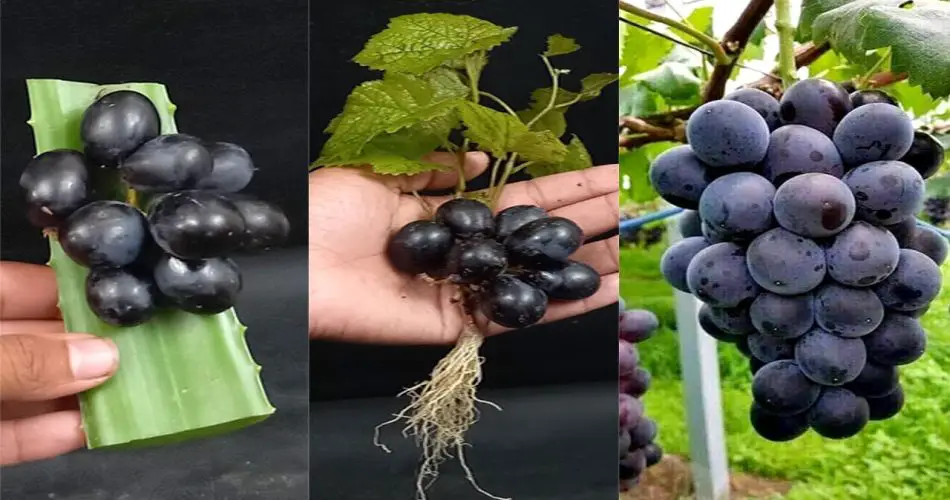
Are you a beginner gardener who dreams of having a thriving grape tree in your garden? Well, here’s some exciting news! You can actually grow a grape tree from a regular grape fruit. While many people think that growing grapes requires special techniques and knowledge, it’s much easier than you might think. In this article, we’ll explore a unique method to grow grape vines from grapes, perfect for those just starting their gardening journey. Whether you want a vineyard in your backyard or simply enjoy the idea of growing your own fruit, this guide is for you!
Why Grow Grapes from Grapes?
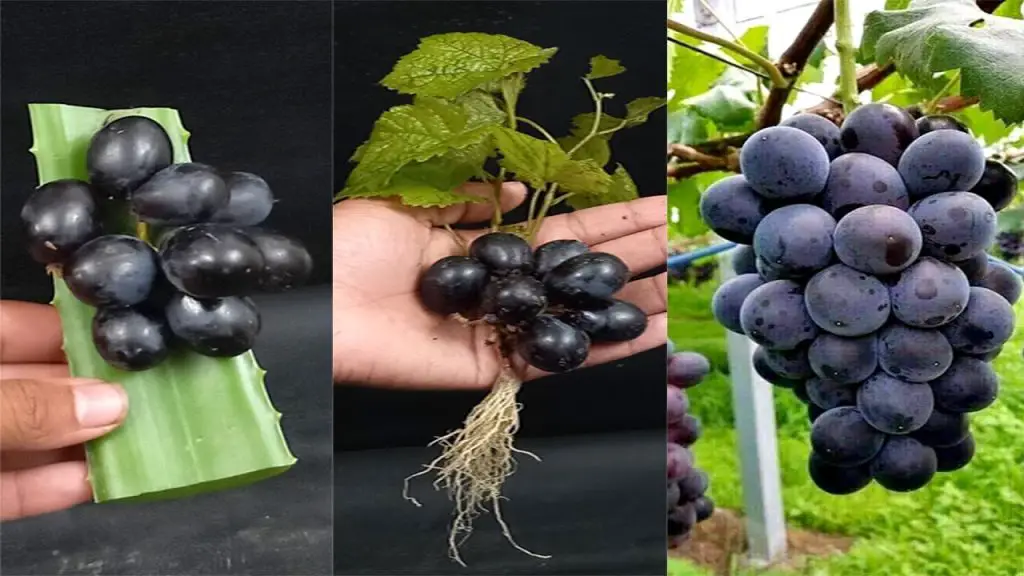
Grapes are not only a delicious fruit but also a rewarding plant to grow. Growing a grape tree from fruit may seem unusual, but it is an effective and fun way to start your own grapevine. The benefits of growing grapes include:
- Homegrown fruit: Nothing beats the taste of fresh, homegrown grapes.
- Beautiful vines: Grapevines add an attractive element to your garden with their lush green leaves and climbing nature.
- Easy to maintain: Once established, grapevines are relatively easy to care for.
- Inexpensive: Growing grapes from cuttings or seeds is a cost-effective way to start your vineyard.
How to Grow a Grape Tree from Grapes for Beginners
Follow this simple step-by-step guide to start growing your own grape tree from a grape fruit. The process is easy and doesn’t require special skills—just patience and a little bit of love for gardening!
Step 1: Choose the Right Grape
First, make sure you pick fresh, ripe grapes. It’s best to choose grapes that are fully ripe, as they contain healthy seeds that will help in propagation. Seedless grapes won’t work for this method, so make sure to pick a variety that has seeds.
Step 2: Extract the Seeds
Once you have your grapes, carefully extract the seeds from the fruit. Be sure to clean them thoroughly to remove any pulp or juice, as this can affect their ability to sprout.
- Gently rinse the seeds under lukewarm water.
- Allow the seeds to dry on a paper towel for a few hours.
Step 3: Stratification (Cold Treatment)
Before planting the seeds, you need to simulate the winter conditions that grapes would naturally experience. This process is called stratification and helps the seeds germinate.
- Place the seeds in a small plastic bag with a little moisture (use damp paper towel or sphagnum moss).
- Store the bag in your refrigerator for about 3-4 weeks. This cold treatment is essential for grape seed germination.
Step 4: Plant the Seeds
After the stratification period, it’s time to plant your seeds. You can grow your grape tree in a pot initially, and later transplant it into the garden.
- Fill a small pot with well-draining potting mix.
- Plant the seeds about 1-2 inches deep in the soil.
- Water the seeds gently and ensure the soil stays moist but not waterlogged.
Place the pot in a sunny spot with indirect sunlight to encourage germination.
Step 5: Care for Your Grape Plant
Now that your seeds are planted, it’s important to provide the right care for your new grape vine. Here are a few tips:
- Water regularly: Keep the soil moist, especially during the germination process. However, avoid over-watering, as grapes prefer well-drained soil.
- Sunlight: Grapevines love the sun! Ensure your plant gets at least 6-8 hours of sunlight each day once it starts to sprout.
- Fertilize: Use a balanced fertilizer to feed your grape vine every few months to promote strong growth.
Step 6: Transplant to the Garden
Once your grape plant has grown large enough and developed a sturdy root system, it’s time to transplant it into your garden. If you live in a climate with cold winters, make sure to plant the vine in a warm, sunny spot where it will get plenty of sunlight.
- Dig a hole large enough to accommodate the root system of your young grape vine.
- Ensure that the soil is well-draining and slightly acidic.
- After planting, water the vine thoroughly and give it some support to grow vertically, such as a trellis or a fence.
Tips for Successful Grape Growing
- Pruning: Grapevines need regular pruning to stay healthy. Remove dead or damaged growth and trim back overgrown vines to encourage fruit production.
- Pest control: Keep an eye out for pests such as aphids, mealybugs, or grapevine beetles. You can use organic pest control methods to protect your plants.
- Mulching: Add a layer of mulch around the base of your plant to retain moisture and suppress weeds.
Conclusion
Growing a grape tree from fruit is an incredibly rewarding and easy process, especially for beginners. By following the steps above, you can successfully grow grape vines from a regular grape fruit, creating a fruitful and beautiful addition to your garden. With just a little patience, you’ll soon be enjoying homegrown grapes right from your very own grape tree. Happy gardening! 🌱🍇