If you’ve ever wanted to grow your own olive tree at home, propagating from cuttings is a simple and rewarding method to expand your garden or orchard. Olive trees are well-known for their hardy nature and low maintenance, and they can be easily propagated through cuttings, making it accessible for both beginners and experienced gardeners alike.
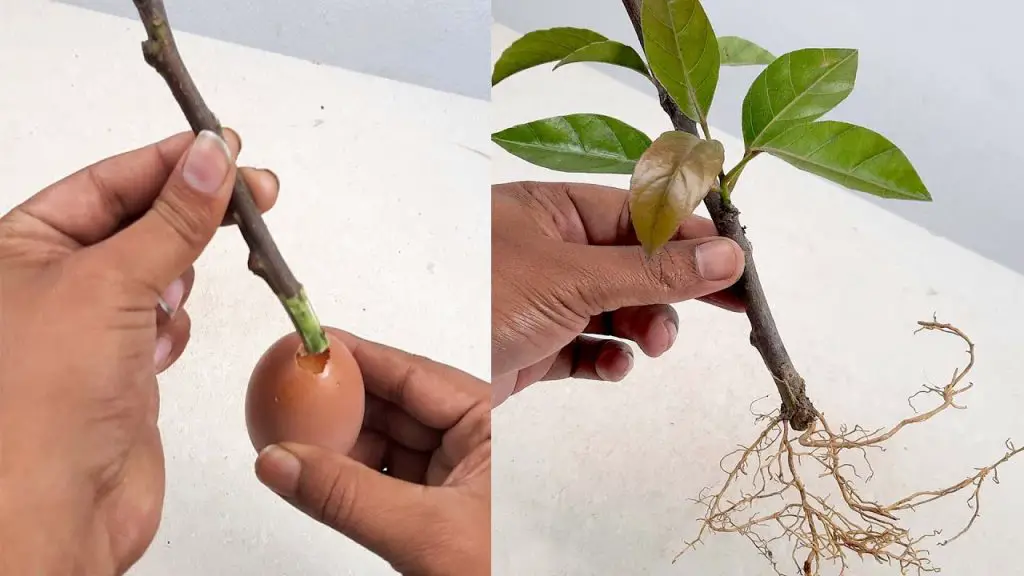
In this article, we’ll walk you through the process of propagating an olive tree from cuttings, so you can grow your own tree and eventually harvest olives in the comfort of your garden.
Why Propagate Olive Trees from Cuttings?
There are several reasons why propagating olive trees from cuttings is an excellent option:
- Cost-effective: Instead of buying a young tree, you can grow your own at no extra cost.
- Preserve the variety: If you have a specific olive tree that produces great fruit or has desirable characteristics, propagating from cuttings allows you to maintain those traits.
- Faster growth: Olive trees grown from cuttings can begin producing fruit earlier than those grown from seeds, and you get a plant that is genetically identical to the parent tree.
What You’ll Need to Propagate an Olive Tree from Cuttings:
Before getting started, make sure you have the following supplies:
- Healthy olive tree to take the cutting from (ideally, choose a mature, well-established tree).
- Sharp pruning shears or scissors to cut the olive tree stem.
- Rooting hormone (optional, but helps stimulate root growth).
- Small pots or containers with drainage holes.
- Well-draining soil (such as a mix of potting soil, perlite, and sand).
- Plastic bag or plastic wrap to cover the cutting and retain moisture.
- Watering can or spray bottle to keep the cutting moist.
Step-by-Step Guide to Propagating Olive Trees from Cuttings
1. Choose the Right Time to Take Cuttings
The best time to take olive tree cuttings is in the late spring to early summer when the tree is actively growing. Avoid taking cuttings during the colder months as olive trees are dormant, and rooting will be slower.
2. Select Healthy and Suitable Cuttings
- Look for a healthy olive branch that is about 6-8 inches long (15-20 cm).
- The cutting should be from a new growth (semi-hardwood), not too soft or too woody.
- Ensure that the cutting has at least 2-3 leaf nodes (the places where the leaves attach to the stem).
3. Prepare the Cutting
- Use sharp pruning shears or scissors to make a clean cut just below a leaf node.
- Remove any leaves from the lower half of the cutting to expose the stem.
- If desired, dip the cut end of the cutting in rooting hormone. This will encourage the formation of roots, though it’s optional.
4. Plant the Cutting
- Prepare a small pot filled with well-draining soil. A mix of potting soil, perlite, and sand is ideal for olives.
- Insert the cut end of the cutting into the soil, burying it about 2-3 inches deep.
- Firm the soil around the cutting to ensure it’s secure and won’t shift.
5. Create the Ideal Environment
- Cover the cutting with a plastic bag or wrap to create a greenhouse-like environment, which will help retain moisture and humidity.
- Place the pot in a bright spot with indirect sunlight. Avoid direct sun, as it may overheat and dry out the cutting.
- Ensure the soil remains moist, but not soggy. You can use a spray bottle to mist the cutting regularly.
6. Wait for Roots to Develop
- The cutting will take 4-6 weeks to develop roots, depending on environmental conditions.
- Check the cutting periodically by gently pulling on it. If there’s resistance, it means roots are forming.
- After a few weeks, if the cutting has established roots, you can remove the plastic cover.
7. Transplant to a Larger Pot
Once the cutting has developed a healthy root system, it’s time to transplant it to a larger pot or directly into the ground, depending on your growing preference.
- If planting in a pot, continue to use well-draining soil, and water the plant regularly.
- Gradually harden off the young olive tree by exposing it to outdoor conditions for a few hours a day over the course of a week.
Care Tips for Newly Propagated Olive Trees
- Sunlight: Olive trees need plenty of sunlight, so make sure they receive at least 6-8 hours of direct sunlight per day.
- Watering: While olive trees are drought-tolerant, newly propagated trees need regular watering. Keep the soil slightly moist but avoid over-watering as olive trees don’t like soggy roots.
- Fertilization: Once the tree has established itself, you can feed it with a balanced fertilizer to encourage growth.
- Temperature: Olive trees thrive in warm temperatures and are best suited for regions with Mediterranean-like climates. If you’re growing indoors, ensure the environment is warm and well-ventilated.
Conclusion
Propagating an olive tree from cuttings is a simple and effective way to grow your own tree at home. By following these easy steps, you can successfully root olive cuttings and cultivate your own olive tree. Over time, with the right care and attention, your tree will grow strong and healthy, bringing you the joy of fresh olives from your very own garden. Whether you’re an experienced gardener or a beginner, propagating olive trees is a rewarding project that will yield beautiful results!
Happy planting! 🌿🌳