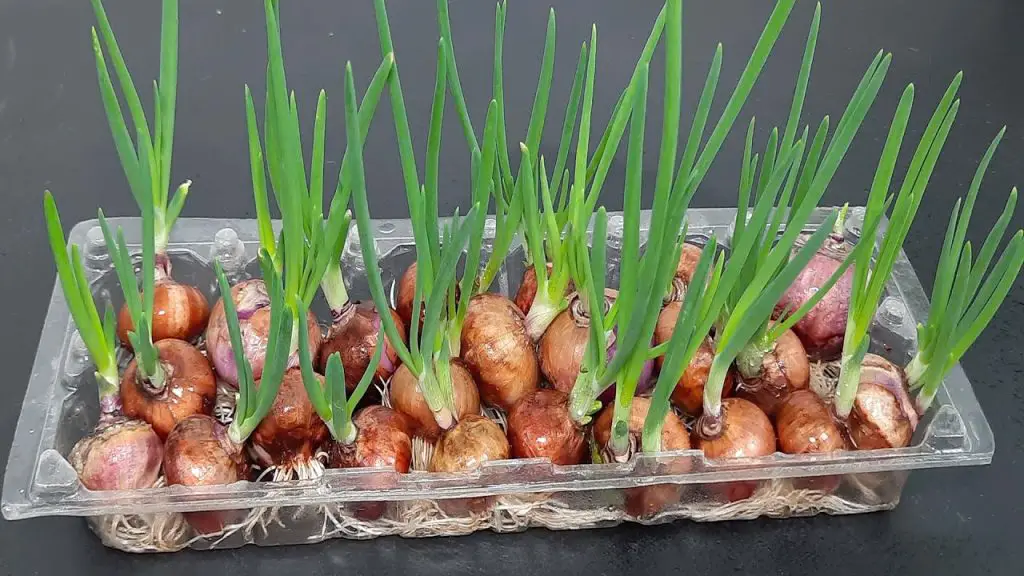
Growing onions hydroponically at home is a perfect solution for gardeners who want to enjoy fresh, homegrown onions without relying on soil. Hydroponic gardening is a soil-free method that uses water and nutrient solutions to grow plants, making it a clean and efficient way to grow vegetables in small spaces or indoors. If you’re interested in learning how to grow onions hydroponically at home, you’re in the right place! Here’s a perfect method to grow onions using hydroponics, with easy steps and tips for success.
Why Grow Onions Hydroponically?
Before diving into the how-to, let’s take a quick look at why hydroponic onions are such a great option:
- Faster Growth: Onions grown hydroponically tend to grow faster because they have direct access to all the nutrients they need in the water.
- Space-Efficient: Hydroponic gardening is perfect for people with limited space, such as those living in apartments or urban areas.
- Cleaner and More Efficient: With no soil, there’s less mess and easier maintenance. Hydroponics allows you to control water and nutrients, leading to healthier, stronger plants.
- Year-Round Growing: You can grow hydroponic onions indoors or in greenhouses, allowing you to have fresh onions all year round, even in colder months.
Materials Needed to Grow Onions Hydroponically
To grow onions hydroponically at home, you’ll need some basic materials and equipment. Here’s what you’ll need:
- Hydroponic System: Choose a system that suits your space and needs. Popular options include Kratie Systems, Deep Water Culture (DWC), or Wick Systems. A simple DWC system works great for onions, where the roots grow in a nutrient-rich solution.
- Hydroponic Nutrient Solution: A complete hydroponic fertilizer that includes all the essential macro and micronutrients like nitrogen (N), phosphorus (P), potassium (K), and trace minerals.
- pH Meter: Onions prefer a slightly acidic to neutral pH (between 5.5 and 6.5). Use a pH meter to monitor and adjust the pH of the nutrient solution.
- Onion Sets or Seeds: Onion sets (small, immature onions) are ideal for hydroponics as they’re easy to start with. Alternatively, you can start with onion seeds, but they may take a bit longer to mature.
- Growing Medium: For a DWC system, use hydroponic grow cubes or net pots filled with a soilless medium like coco coir, perlite, or hydroponic clay pellets.
- Water: Clean, filtered water to mix with your nutrient solution.
- Grow Lights (if growing indoors): If you’re growing indoors, you’ll need grow lights that provide the necessary light spectrum for onion growth, such as LED grow lights.
- Air Pump & Air Stone (for DWC): To oxygenate the water and promote healthy root development.
- Timer (optional): For controlling light and nutrient pump cycles, if using a more automated system.
Step-by-Step Guide to Growing Hydroponic Onions
Follow these simple steps to grow onions hydroponically at home:
Step 1: Choose Your Hydroponic System
For growing onions hydroponically, Deep Water Culture (DWC) is one of the easiest systems to set up and maintain. In a DWC system, the onion roots grow directly in a nutrient solution.
- Set Up DWC System:
- Fill a container with water (plastic bins or buckets work well).
- Add an air stone connected to an air pump to oxygenate the water.
- Use net pots or foam collars to hold the onions in place while allowing the roots to grow freely in the nutrient solution.
Step 2: Prepare the Nutrient Solution
- Mix Nutrients: Follow the instructions on your hydroponic nutrient solution for the correct amount to mix with water. Onions thrive in a nutrient solution with a balanced mix of nitrogen, phosphorus, potassium, and trace elements.
- Check pH Level: Use a pH meter to ensure the pH is between 5.5-6.5, as this is the ideal range for onion growth. Adjust the pH with pH up or down solutions as needed.
Step 3: Plant Onion Sets or Seeds
- Onion Sets: The easiest way to start is by using onion sets (small onion bulbs). Simply place the sets into the net pots, allowing the bulb to sit partially above the growing medium. The roots will grow downward into the nutrient solution.
- Onion Seeds: If starting from seeds, plant them in hydroponic grow cubes or rock wool cubes and allow them to germinate. Once the seedlings have a few roots, transfer them into the net pots in your hydroponic system.
Step 4: Set Up Lighting (for Indoor Growing)
- Onions need at least 12-16 hours of light per day to grow well. If you’re growing indoors, make sure to set up grow lights.
- Use full-spectrum LED grow lights for optimal growth, or fluorescent lights if you’re on a budget.
- Keep the lights about 6-12 inches above the plants and maintain the light cycle for consistent growth.
Step 5: Monitor Growth & Water Levels
- Monitor Nutrient Levels: Onions are heavy feeders and will require regular monitoring of the nutrient solution. Keep the nutrient levels consistent by topping up the solution as it evaporates or is absorbed by the plants.
- Watering: In a DWC system, ensure that the onion roots are fully submerged in the nutrient solution, and that the water level stays consistent. Check the system daily to make sure there is no water stagnation or algae growth.
Step 6: Maintain Temperature & Humidity
- Temperature: Onions prefer cool temperatures, ideally between 65°F-75°F (18°C-24°C). Maintain a steady temperature in the room, especially if you’re growing indoors.
- Humidity: Moderate humidity (around 50-60%) is ideal for onions. If growing in a dry climate, consider using a humidifier to maintain proper moisture levels.
Step 7: Harvesting Hydroponic Onions
Onions are ready for harvest when their tops start to yellow and fall over. This typically happens after 8-12 weeks of growth, depending on the variety and environmental conditions.
- Check the Bulbs: Gently pull the onions from the system when the bulbs have reached a good size. You’ll see the onions have developed round, firm bulbs.
- Cure the Onions: If growing large onions, allow them to cure in a cool, dry space for a few weeks before storage. However, if you’re growing green onions or scallions, you can harvest them earlier, typically in about 4-6 weeks.
Tips for Success When Growing Onions Hydroponically
- Use High-Quality Nutrients: Make sure to use a balanced, complete nutrient solution designed for hydroponics. Onions require nitrogen, phosphorus, and potassium for strong root and bulb development.
- Monitor pH Levels Regularly: Onions are sensitive to pH fluctuations. Use a pH meter and adjust the solution to maintain the ideal pH range.
- Prune Regularly: Remove any dead leaves or damaged parts of the plant to encourage healthy growth.
- Harvest Promptly: Overripe onions can rot quickly. Harvest your onions as soon as the leaves fall over and the bulbs are a good size.
- Temperature Control: Keep the temperature consistent to avoid slowing down growth or encouraging disease. If you’re growing hydroponic onions indoors, keep the room well-ventilated and free of drafts.
Conclusion
Hydroponic gardening is an ideal method for growing onions at home, whether you’re working with limited space or want a cleaner, soil-free growing solution. With the right setup, you can have fresh onions growing in as little as 8-12 weeks, and even green onions or scallions in just 4-6 weeks. Using a DWC system or a similar hydroponic technique, you can enjoy fresh, nutrient-rich onions all year long.
By following these simple steps and tips, you’ll be able to grow your own hydroponic onions with ease and enjoy the satisfaction of harvesting your homegrown produce right from your kitchen or garden. Happy gardening!