Paper ash, a byproduct of burning paper, is often overlooked as a valuable resource in gardening. This eco-friendly fertilizer can enhance soil quality and promote healthy plant growth. In this article, we’ll explore the benefits of paper ash, how to use it effectively, and its role in a sustainable gardening practice.
What is Paper Ash?
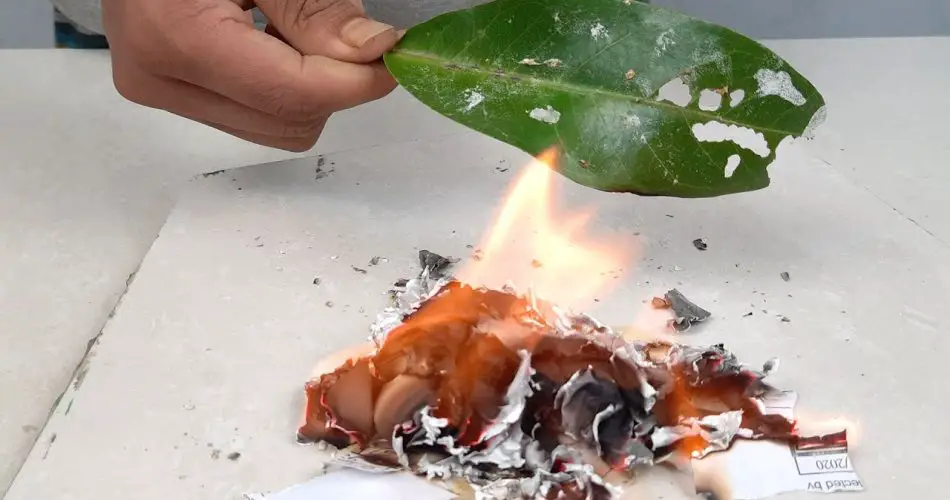
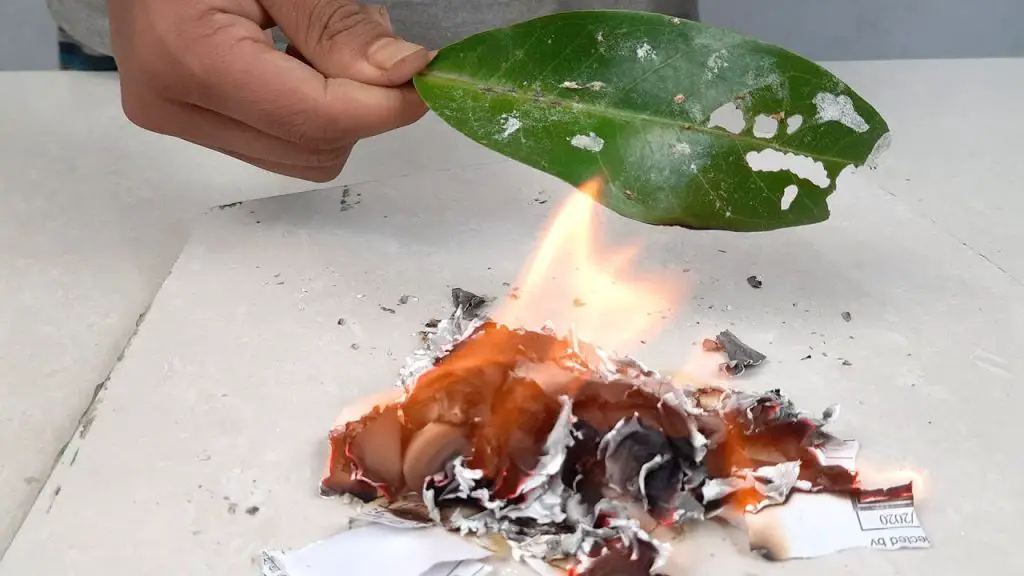
Paper ash is the residue left after burning paper products. Unlike regular wood ash, which comes from burning wood, paper ash is composed primarily of cellulose and other organic compounds. When used properly, it can provide essential nutrients to your plants.
Benefits of Paper Ash for Plants
- Rich in Nutrients: Paper ash contains potassium, phosphorus, and calcium, which are vital for plant health. These nutrients promote root development, flowering, and overall plant vigor.
- Soil pH Adjustment: Paper ash is alkaline in nature. When added to acidic soils, it can help to raise the pH, making it more suitable for plants that prefer neutral to alkaline conditions.
- Improved Soil Structure: Incorporating paper ash into the soil can enhance its texture and drainage, improving aeration and water retention.
- Pest Deterrent: The fine particles of ash can act as a natural barrier against certain pests, helping to protect your plants from infestations.
How to Use Paper Ash in the Garden
1. Preparation
- Collect Ash: Use ash from clean, untreated paper products. Avoid ash from glossy or colored papers, as they may contain harmful chemicals.
- Sift Ash: Sift the ash through a fine mesh to remove any large particles or debris.
2. Application Methods
- Soil Amendment: Mix paper ash into the soil before planting. A general guideline is to use about 1 cup of ash per 10 square feet of garden space. This will help improve soil structure and nutrient availability.
- Top Dressing: Spread a thin layer of ash on the soil surface around established plants. This method not only adds nutrients but also helps to deter pests.
- Composting: Add paper ash to your compost pile in moderation. It can help balance the nitrogen-rich materials and contribute to a healthier compost mix.
3. Watering
After applying paper ash, be sure to water your plants thoroughly. This helps to activate the nutrients and allows them to penetrate the soil.
Best Practices and Considerations
- Moderation is Key: While paper ash is beneficial, too much can raise soil pH excessively, leading to nutrient imbalances. Always test your soil pH before application.
- Know Your Plants: Some plants prefer acidic soils (like blueberries and azaleas). Be cautious when using paper ash around these species.
- Storage: Store unused ash in a dry place to prevent it from clumping and losing its effectiveness.
Conclusion
Paper ash is a versatile and sustainable fertilizer that can significantly benefit your garden. By incorporating this natural resource into your gardening practices, you’ll not only enhance plant health but also contribute to a more environmentally friendly approach to gardening. Embrace the secrets of nursery practices and give your plants the nutrient boost they deserve with paper ash!