Mangoes (Mangifera indica) are one of the most beloved tropical fruits, prized for their sweet, juicy flesh and versatility. The mango tree is not only popular for its fruit but also for its shade and aesthetic appeal. While growing mangoes from seed is a common practice, grafting is the preferred method for propagating mango trees, as it allows for the cultivation of superior varieties with desirable traits such as disease resistance, fruit quality, and early production. In recent years, multiple grafting techniques have emerged, offering a way to grow mango trees that bear multiple varieties of mangoes on the same tree. In this article, we’ll explore some new mango multiple grafting techniques, providing a step-by-step guide to help you grow improved mango trees with multiple varieties.
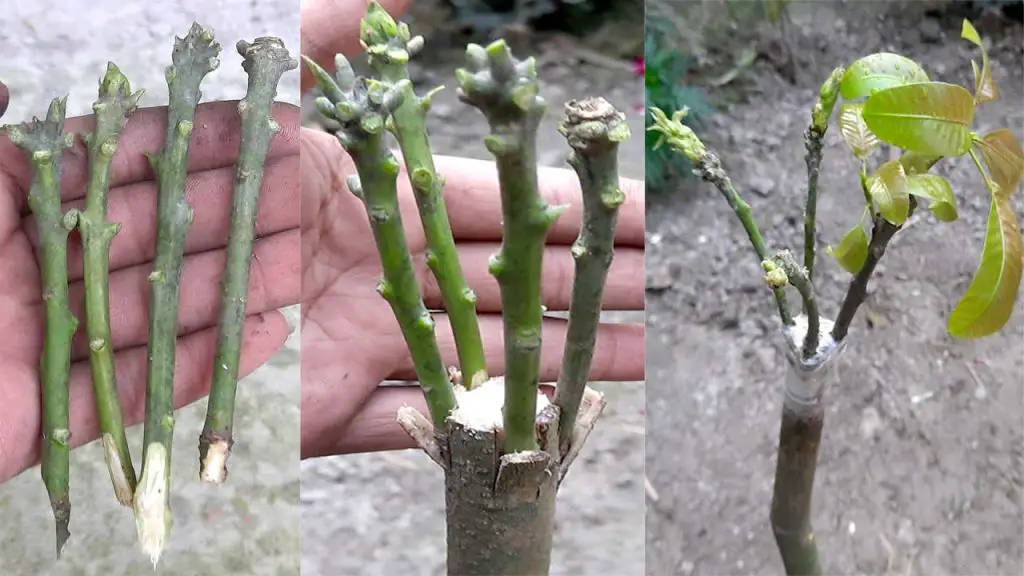
1. Why Use Grafting for Mango Trees?
Grafting is a horticultural technique where a stem or branch of one plant is attached to the rootstock or base of another plant. For mango trees, grafting offers numerous advantages:
- Superior Fruit Quality: Grafted mango trees produce fruit that is of better quality than seed-grown trees. By grafting onto a robust rootstock, the tree inherits both the hardiness of the rootstock and the desirable traits of the grafted variety.
- Faster Fruit Production: Grafted mango trees typically bear fruit earlier than seed-grown trees, which can take several years to mature.
- Disease Resistance: Using a disease-resistant rootstock helps protect the tree from soil-borne diseases and pests.
- Varietal Diversity: Multiple grafting allows you to grow several mango varieties on the same tree, making it ideal for those with limited space or those who want to grow different types of mangoes.
2. New Mango Multiple Grafting Techniques
Multiple grafting allows you to propagate multiple mango varieties on the same tree. This technique involves grafting different mango varieties onto a single rootstock. By using new approaches to multi-grafting, gardeners can achieve increased yield, disease resistance, and a diverse harvest. Here are some of the new and most effective grafting techniques for mango trees:
1. Side Grafting (Cleft Grafting)
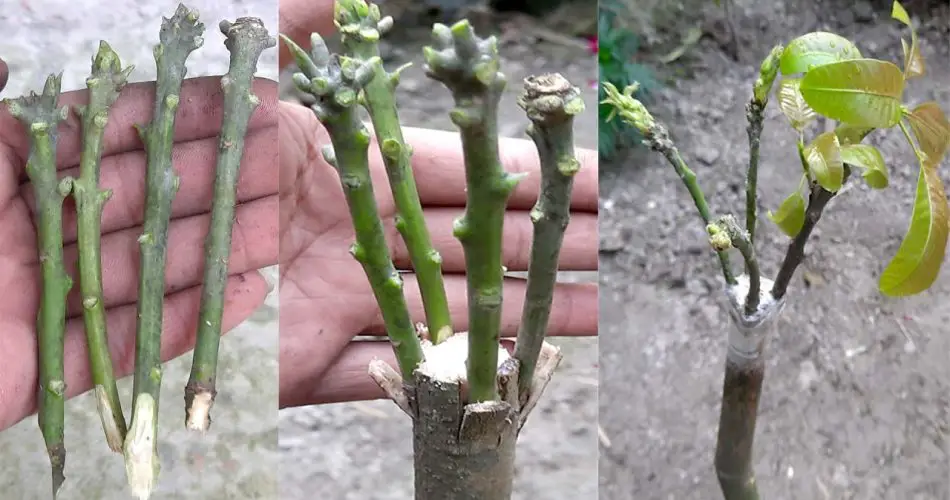
Side grafting, also known as cleft grafting, is one of the most common techniques used in mango multiple grafting. It involves grafting several scions (young branches) onto the side of a rootstock.
Step-by-Step Guide:
- Prepare the rootstock: Choose a healthy, vigorous mango rootstock that is about 1-2 years old and has a diameter of at least 1 inch (2.5 cm).
- Make a cleft: Use a sharp knife to create a vertical slit in the rootstock.
- Insert scions: Select several healthy, disease-free mango scions from different varieties. Cut the scion ends into a wedge shape and insert them into the cleft. Ensure the cambium layers (the green tissue just below the bark) of the scions align with the cambium of the rootstock for successful grafting.
- Secure the graft: Tie the scions in place with grafting tape or rubber bands. Cover the grafted area with wax or grafting compound to prevent moisture loss.
- Care for the graft: Keep the grafted tree in a shaded area with moderate humidity. After a few weeks, when the grafts have successfully taken, remove the tape and allow the tree to grow.
2. Approach Grafting (Inarching)
Approach grafting involves grafting the scion onto the rootstock while both are still attached to their individual trees. This technique is especially useful when grafting onto large rootstocks or for experimenting with different mango varieties.
Step-by-Step Guide:
- Select rootstock and scion: Choose a healthy rootstock and a scion from the mango variety you wish to propagate.
- Prepare the grafting site: Make a small incision on the bark of both the rootstock and scion, about 1-2 inches (2.5-5 cm) in length.
- Join the two parts: Place the scion and rootstock together so their cambium layers align. Secure them using grafting tape or twine.
- Wrap and seal: Ensure the grafted areas are tightly wrapped to prevent moisture loss. After the grafts take, you can separate the trees and transplant the grafted mango plant to its permanent location.
3. Chip Budding (Bud Grafting)
Chip budding is a technique where a single bud from the desired mango variety is grafted onto the rootstock. This technique is commonly used for propagating high-quality mangoes and is ideal when you have limited scions.
Step-by-Step Guide:
- Select rootstock and budwood: Choose a healthy rootstock and a mature, disease-free budwood from the desired mango variety.
- Prepare the rootstock: Make a small T-shaped incision in the bark of the rootstock.
- Insert the bud: Cut a healthy bud from the scion and insert it into the T-shaped incision on the rootstock. Make sure the bud’s cambium aligns with the rootstock cambium.
- Wrap and seal: Tie the grafted area with grafting tape and cover with grafting compound to prevent moisture loss.
- Aftercare: Once the bud begins to sprout and take hold, remove the tape and allow the tree to grow.
4. Veneer Grafting
Veneer grafting is a popular technique for mango multiple grafting, where a slice of the rootstock’s bark is removed to create a veneer, which allows the scion to be inserted.
Step-by-Step Guide:
- Prepare the rootstock: Select a healthy rootstock and use a sharp knife to remove a thin veneer of bark from the side of the tree.
- Prepare the scions: Cut several scions of different mango varieties with the same angle as the veneer. The cut surface should match the cambium layer of the rootstock.
- Insert the scions: Insert the prepared scions into the cut veneer area. Ensure they are snug and the cambium layers align.
- Wrap and seal: Wrap the grafting area with tape and cover with grafting wax to protect the grafts from drying out.
- Check for success: Once the scions have taken and new growth appears, remove the tape.
3. Why Multiple Grafting is Beneficial for Mango Trees
There are several advantages to practicing multiple grafting on mango trees, such as:
- Variety: You can grow multiple mango varieties on a single tree, allowing for a more diverse harvest.
- Space-Saving: For gardeners with limited space, multiple grafting allows them to grow several varieties of mango without needing separate trees for each.
- Increased Yield: With several different mango varieties on one tree, you increase your chances of a high fruit yield each season.
- Disease Resistance: Using different rootstocks or grafting onto more resilient varieties can help enhance disease resistance in the tree.
4. Challenges of Multiple Mango Grafting
While the benefits of multiple grafting are clear, there are some challenges to consider:
- Compatibility: Not all mango varieties are compatible for grafting. Ensure that the scions and rootstocks are compatible to increase the chances of successful grafting.
- Careful Attention: Grafting requires precision and attention to detail. A small mistake can lead to graft failure or poor growth.
- Pruning: The grafted tree will need regular pruning to ensure that the grafted varieties grow properly without competing with each other.
5. Conclusion
The new techniques of multiple grafting provide an innovative way to propagate and grow mango trees with improved fruit quality, disease resistance, and increased productivity. Whether you are growing mangoes for personal enjoyment or for commercial purposes, adopting these new grafting methods will help you achieve a tree that bears a variety of mangoes, offering a diverse and abundant harvest. By carefully selecting the right techniques and practicing patience, you can successfully graft multiple varieties onto one tree and enjoy the benefits of a fruitful mango garden year-round.