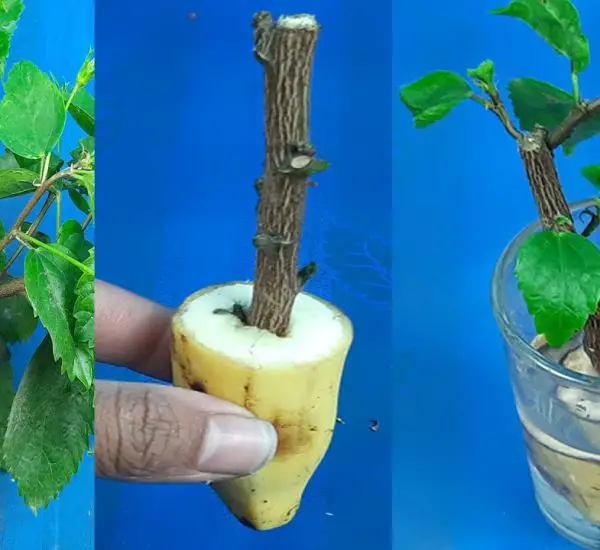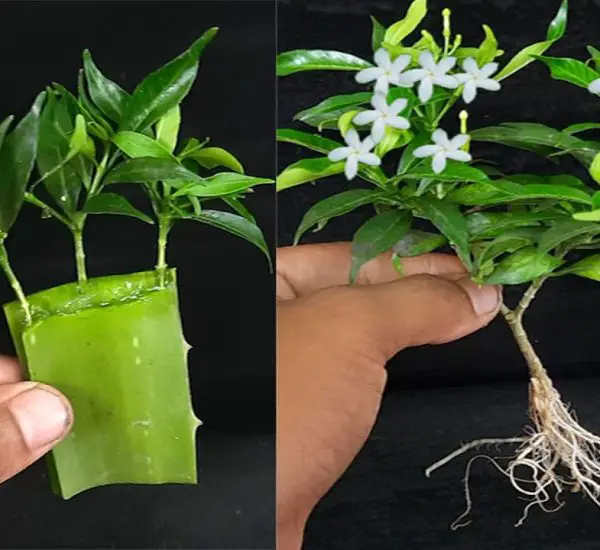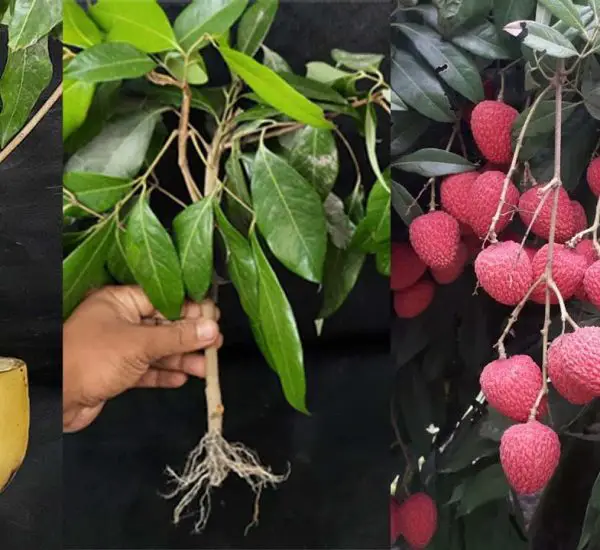
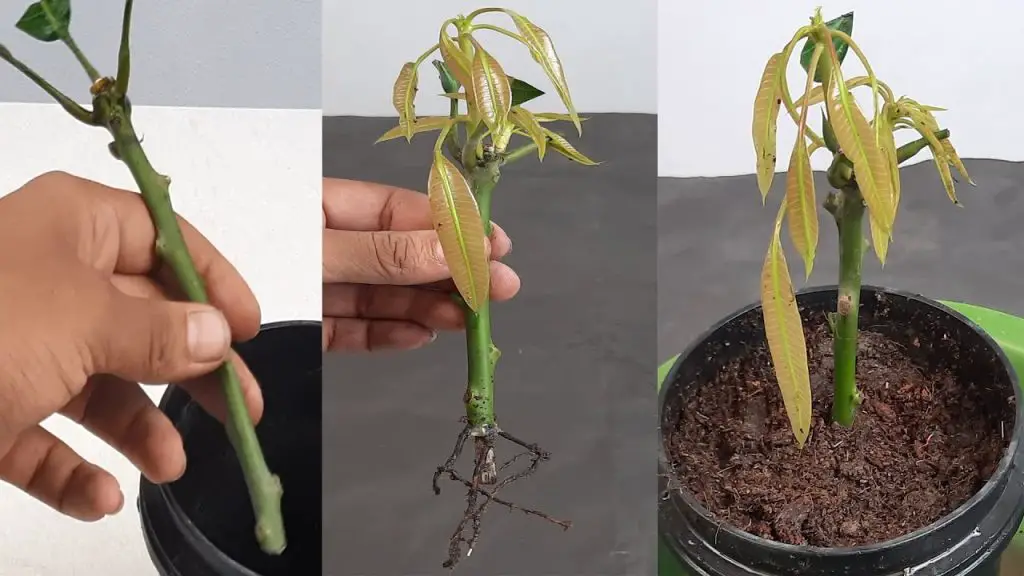
Mango trees are beloved for their delicious fruit and large, tropical appearance. While mango trees can be grown from seeds, propagating them from cuttings is a more reliable method that offers 100% success when done correctly. This method bypasses the uncertainties of growing from seed and ensures you get a genetically identical tree. Here’s a step-by-step guide on mango propagation from cutting, ensuring a high success rate.
Choosing the Right Mango Cutting
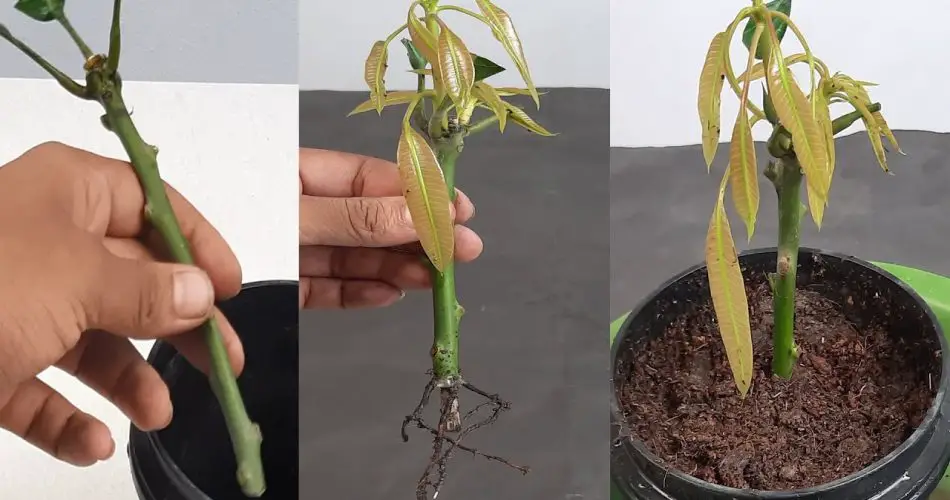
To begin, selecting the right cutting is critical for successful propagation. You’ll want to choose a healthy, mature mango tree from which to take your cutting. Ideal cuttings come from a semi-hardwood branch, which is neither too young and soft nor too old and woody. The cutting should be about 6-8 inches long, containing at least 2-3 nodes (the points on the stem where leaves emerge).
Preparing the Cutting
Once you’ve taken the cutting, you must prepare it for rooting:
- Trim the Cutting: Remove any leaves from the lower half of the cutting, leaving just a few at the top. This minimizes moisture loss and helps the cutting focus on root development.
- Dip in Rooting Hormone: While mango cuttings can root without rooting hormone, applying a powdered rooting hormone to the cut end can significantly speed up the process and improve the chances of success. The hormone stimulates root growth and helps the cutting establish itself faster.
- Prepare a Pot with Well-Draining Soil: Choose a small pot with drainage holes and fill it with a well-draining soil mix, such as cactus soil or a blend of perlite and peat moss. The soil should not retain too much moisture, as mango cuttings can easily rot if they stay too wet.
Planting the Mango Cutting
- Insert the Cutting into the Soil: Make a hole in the soil with a stick or your finger and insert the cutting about 2 inches deep. Be careful not to damage the cutting during this process.
- Water the Cutting: After planting, water the cutting lightly, ensuring the soil is moist but not soggy. Keep the soil consistently moist to encourage root growth but avoid overwatering.
- Create a Humid Environment: Mango cuttings require a humid environment to thrive. You can create this by placing the pot inside a clear plastic bag or covering it with a plastic dome to trap moisture. Make sure there is adequate airflow to prevent mold growth.
Care and Maintenance for Successful Rooting
To ensure your mango cutting roots successfully, follow these essential care steps:
- Temperature: Mango trees thrive in warm conditions. Keep the cutting in a warm place with temperatures around 75-85°F (24-29°C), which is ideal for root development.
- Indirect Light: Place the pot in a spot where it receives bright, indirect sunlight, but not direct sunlight, as it can scorch the cutting and hinder rooting.
- Check for Root Development: In about 3-4 weeks, gently tug on the cutting to feel for resistance. This indicates the cutting has developed roots. Once roots are established, you can transplant the cutting into a larger pot or directly into the ground.
Transplanting Your Mango Tree
Once your mango cutting has a strong root system, it’s time to transplant it into a larger pot or garden. If transplanting outdoors, choose a well-drained, sunny spot with good air circulation. Mango trees prefer loamy, slightly acidic soil, so prepare the soil accordingly for optimal growth.
Troubleshooting Tips
While the cutting process is relatively simple, a few challenges can arise:
- Cutting Rot: If the cutting begins to rot, it’s usually due to excessive moisture or poor air circulation. Ensure the pot has good drainage and that the cutting is not overwatered.
- Failure to Root: If the cutting doesn’t root after 4-6 weeks, try using a different cutting or fresh rooting hormone, and ensure that the environment remains warm and humid.
Conclusion
Mango propagation from cuttings is a straightforward and reliable method for growing a mango tree with a 100% success rate, provided the right care and conditions are met. By selecting healthy cuttings, using rooting hormone, and maintaining proper humidity and warmth, you can enjoy the rewards of a thriving mango tree in your garden or home. With patience and attention, your mango cutting will develop into a beautiful tree, ready to bear sweet, juicy fruit in the years to come.