Urea is one of the most commonly used fertilizers in agriculture and gardening. Known for its high nitrogen content, urea is an excellent way to provide your plants with the necessary nutrients they need for healthy growth. However, using urea correctly is essential to avoid damaging your plants or over-fertilizing. In this article, we’ll dive into what urea is, how it works, and the best practices for using urea fertilizer effectively.
1. What is Urea?
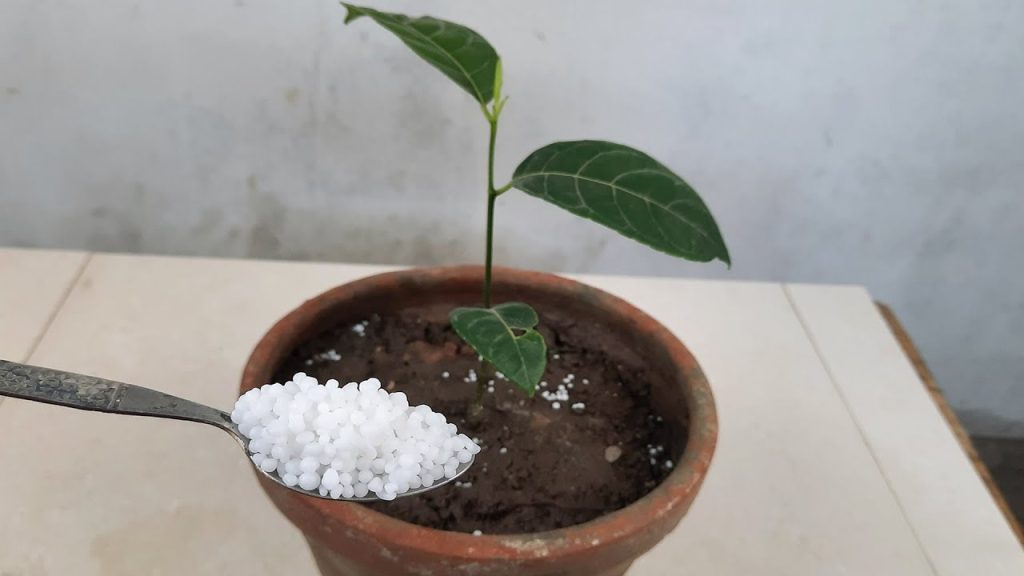
Urea is a nitrogen-based fertilizer that contains about 46% nitrogen, making it one of the most concentrated nitrogen fertilizers available. It is a colorless, odorless organic compound that is highly soluble in water and can be used in various forms, including solid, liquid, or granular. Urea is a byproduct of protein metabolism in animals and is produced synthetically for agricultural purposes.
The nitrogen in urea is essential for plant growth, as it helps plants produce chlorophyll, which is needed for photosynthesis. It also plays a vital role in the formation of proteins, enzymes, and other essential compounds for plant development.
2. How Does Urea Work as a Fertilizer?
When applied to soil, urea undergoes a process called hydrolysis, where it breaks down into ammonium (NH4+) and nitrate (NO3-) ions. These ions are easily absorbed by plant roots, providing the necessary nitrogen to stimulate healthy leaf and stem growth.
However, urea must be converted into these forms before plants can use it, and this process requires moisture and microbial activity in the soil. This means that urea fertilizer works best in well-drained soil with sufficient moisture, ensuring the proper breakdown of the fertilizer.
3. Benefits of Using Urea Fertilizer
Using urea fertilizer correctly can benefit your garden or crops in several ways:
- High nitrogen content: Urea provides a concentrated dose of nitrogen, promoting rapid leaf and vegetative growth.
- Fast-acting: Urea is quickly absorbed by plants, making it an ideal solution for plants needing a nitrogen boost.
- Versatility: Urea can be used for a wide variety of plants, including vegetables, fruits, flowers, and lawn care.
- Inexpensive: Urea is relatively affordable compared to other nitrogen fertilizers.
4. How to Use Urea Fertilizer Properly?
Using urea fertilizer correctly is crucial to avoid over-fertilizing, which can harm your plants or even pollute the environment. Here’s a guide to ensure you use urea effectively:
Step 1: Determine the Right Application Rate
- The recommended amount of urea depends on the type of plants you are fertilizing. On average, 1 to 1.5 pounds of urea per 100 square feet is sufficient for most garden plants.
- Consult a soil test: To avoid overusing urea, it’s a good idea to conduct a soil test to determine the existing nitrogen levels in your soil. This will help you apply the right amount of urea without risking an imbalance in soil nutrients.
Step 2: Apply Urea at the Right Time
- Timing matters: The best time to apply urea fertilizer is early in the growing season when plants are actively developing. Applying it during the early stages of growth encourages strong vegetative development.
- For established plants, use urea during the growing season when plants need an extra nitrogen boost, typically in the spring and summer.
- Avoid applying urea during extreme temperatures, as the nitrogen may volatilize and be lost to the atmosphere before the plants can absorb it.
Step 3: Apply Urea Evenly
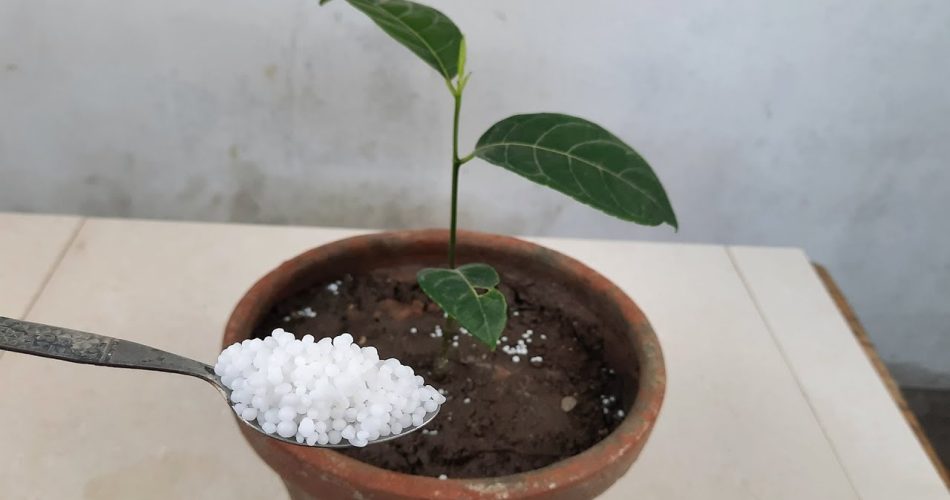
- Broadcast method: If you are fertilizing your garden or lawn, you can spread the granular urea evenly over the soil using a broadcast spreader. Make sure to apply it in moderate quantities and avoid concentrated piles of fertilizer.
- Incorporate into the soil: After broadcasting, lightly till or mix the urea into the top layer of soil. This ensures better absorption by plant roots.
- Avoid direct contact: When applying urea to plants, avoid direct contact with plant stems or leaves to prevent burning.
Step 4: Water After Application
- After applying urea fertilizer, water the area well. This helps to dissolve the urea, allowing the nitrogen to be absorbed by the soil and available for plants.
- Adequate watering also helps to minimize the risk of nitrogen volatilization, where nitrogen escapes into the air before it can be absorbed by plants.
Step 5: Monitor Plant Response
- Observe plant growth: After applying urea, monitor the plants for signs of over-fertilization (e.g., yellowing leaves, browning tips) or under-fertilization (e.g., slow growth, pale leaves).
- If you notice any problems, adjust the quantity or frequency of urea applications accordingly.
5. Precautions When Using Urea
While urea is a highly effective fertilizer, improper use can lead to problems. Here are some precautions to keep in mind:
- Over-fertilization: Using too much urea can lead to nitrogen burn, which damages plant roots and foliage. Always follow the recommended application rates.
- Environmental impact: Excessive use of urea can cause nitrogen leaching, where nitrogen runs off into waterways, leading to pollution and algae growth in nearby bodies of water. Be mindful of how much you apply and ensure proper watering.
- Volatilization: When urea is applied to the soil surface in hot, dry conditions, it may volatilize and escape into the air as ammonia gas. To prevent this, apply urea before rainfall or water it in immediately after application.
6. Alternative Uses for Urea
Aside from being a popular fertilizer, urea has a variety of other uses:
- Animal feed: Urea is sometimes used as a nitrogen supplement in animal feed.
- Industrial applications: Urea is utilized in the production of plastics, resins, and pharmaceuticals.
- De-icing: Urea can be used to melt snow and ice on roads in some regions.
7. Conclusion
Urea fertilizer is an excellent choice for providing your plants with the necessary nitrogen to grow healthy and strong. By understanding what urea is and how to apply it properly, you can avoid overuse and achieve the best results for your garden or crops. Remember to always follow the recommended application rates, water after applying, and monitor your plants’ growth to ensure they are thriving. With proper care and attention, urea can be a powerful tool for achieving lush, vibrant plants.