What is Urea and How to Use Urea Fertilizer Effectively?
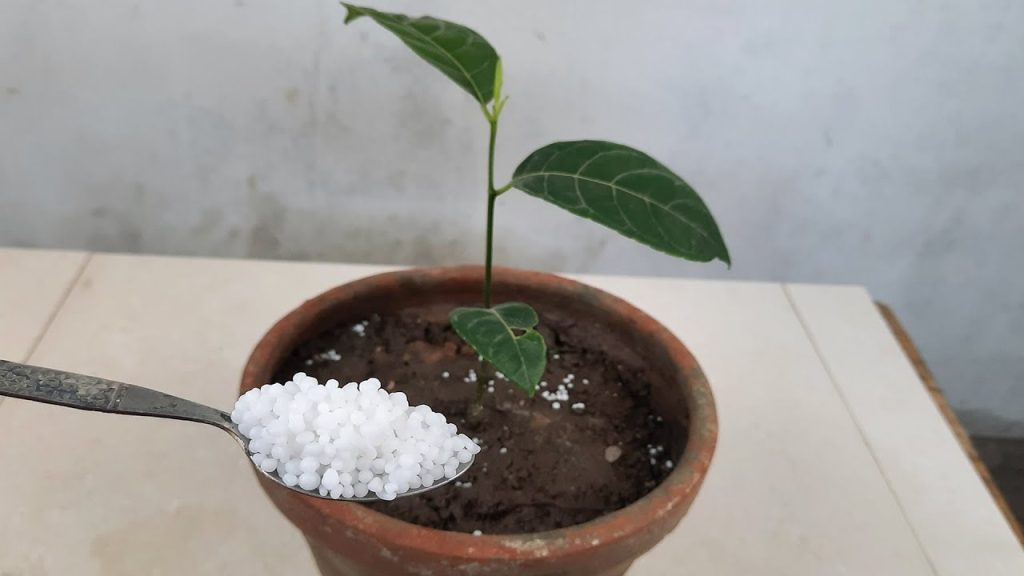
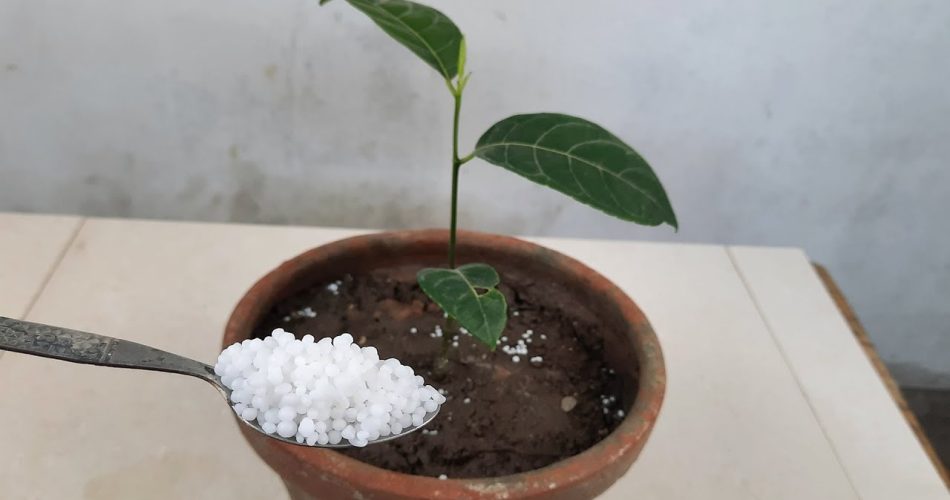
Urea is one of the most commonly used fertilizers in agriculture, and it plays a critical role in promoting plant growth. But, to get the best results from urea, it’s essential to know how to use urea properly. In this article, we’ll explore what urea is, its benefits for plants, and how to use urea fertilizer efficiently for optimal results.
What is Urea?
Urea (chemical formula: NH₂CONH₂) is a nitrogen-based compound that naturally occurs in animal urine but is synthetically produced for agricultural use. As a fertilizer, urea provides plants with nitrogen, a vital nutrient for their growth. Nitrogen is essential for the synthesis of proteins, chlorophyll, and enzymes, all of which are critical for photosynthesis and plant development.
Benefits of Using Urea Fertilizer
- High Nitrogen Content: Urea contains around 46% nitrogen, which makes it one of the most concentrated nitrogen fertilizers available.
- Fast-Acting: Urea is a quick-release fertilizer, which means it can rapidly provide plants with the nitrogen they need for immediate growth.
- Versatile: It can be used on a variety of crops, including cereals, vegetables, and ornamentals, making it highly adaptable for different farming and gardening needs.
How to Use Urea Fertilizer Correctly
Using urea fertilizer properly is crucial to ensure that plants receive the right amount of nitrogen without causing harm to the environment. Here’s a step-by-step guide on how to use urea effectively:
1. Apply Urea at the Right Time
Urea should be applied when plants are actively growing, typically in spring or during the growing season. Applying it at the wrong time can lead to nitrogen loss through volatilization or leaching.
2. Correct Application Rate
The application rate for urea depends on the type of crop and the soil’s existing nitrogen levels. Typically, 50–100 kg of urea per hectare is recommended for most crops. However, over-application can lead to nutrient imbalances and environmental pollution. It’s important to follow guidelines or consult a soil test to determine the proper rate for your needs.
3. Incorporate Urea into the Soil
Urea is highly soluble and can evaporate quickly if applied to the soil surface. To prevent nitrogen loss, it’s best to incorporate urea into the soil by shallow tilling or by applying it just before rain. This helps ensure that the nitrogen stays in the soil and is available for plant uptake.
4. Use Urea as a Split Application
For high-demand crops, it may be beneficial to apply urea in split applications—a portion of the urea applied at planting and another later in the growing season. This prevents over-fertilization and reduces the risk of nitrogen leaching.
5. Water After Application
Watering after applying urea helps to dissolve the fertilizer and carry the nitrogen into the soil, where it can be absorbed by the plant roots. This also reduces the chances of ammonia volatilization—the process where nitrogen gas escapes into the atmosphere.
Precautions When Using Urea Fertilizer
While urea is highly effective, improper use can cause some negative effects:
- Over-Fertilization: Too much urea can lead to nitrogen burn, damaging plant roots and leaves.
- Soil Acidification: Excessive use of urea over time can increase soil acidity, which may harm long-term soil health.
- Environmental Pollution: If not properly incorporated into the soil, urea can lead to nitrate leaching into water bodies, contributing to water pollution and eutrophication.
Conclusion
Urea is a powerful and effective fertilizer, but using it properly is key to maximizing its benefits while avoiding damage to plants or the environment. By applying the correct amount of urea at the right time and incorporating it into the soil, you can ensure that your plants receive the nitrogen they need for healthy, vibrant growth.
Remember to always follow the recommended application guidelines, monitor your soil health, and adjust your fertilizer practices based on your specific agricultural or gardening needs. With proper care, urea can be an invaluable tool for boosting crop yields and promoting sustainable agricultural practices.