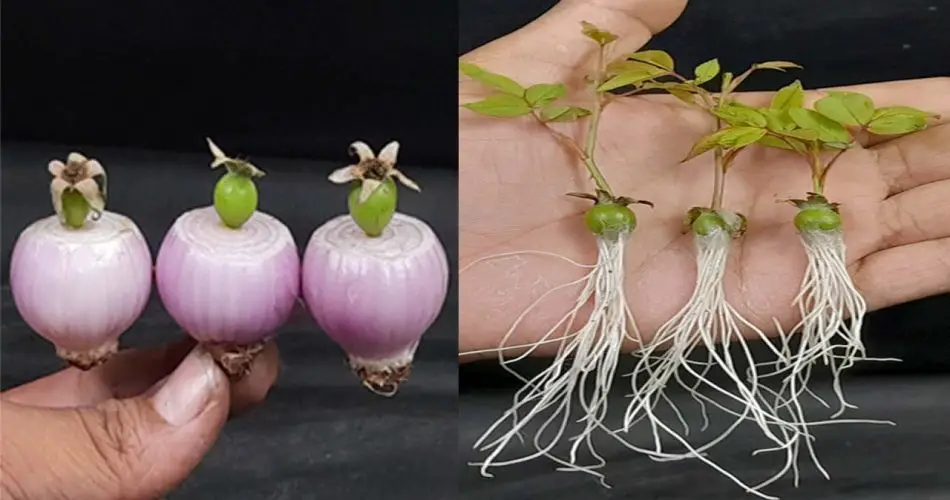
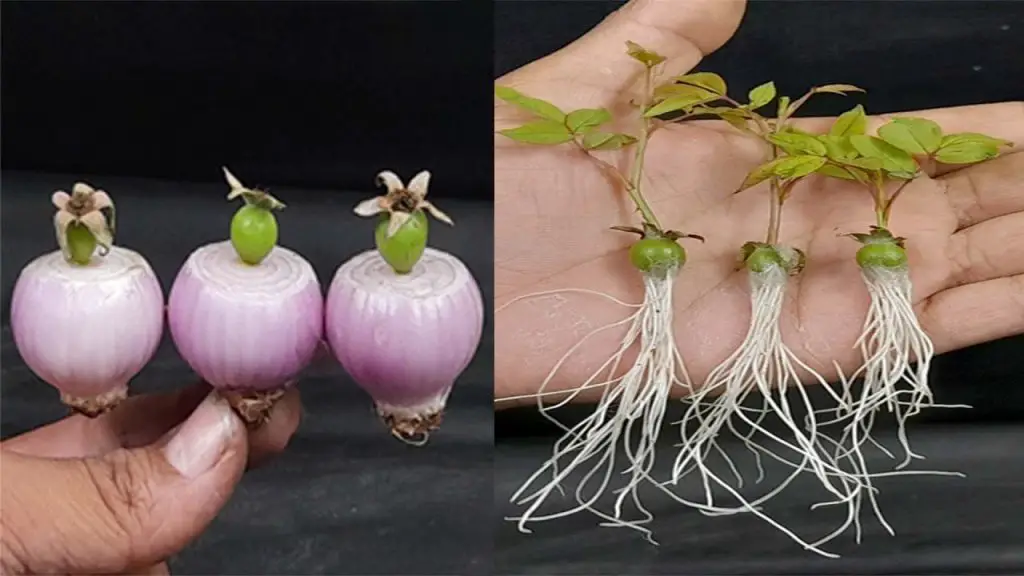
Roses are a timeless symbol of beauty, romance, and elegance. They can elevate any garden with their vibrant colors and sweet fragrance. While traditional methods of rose propagation involve taking cuttings or using grafting techniques, there’s a unique and natural way to propagate roses using onions. This method may sound unconventional, but it’s highly effective and offers an easy way to grow new rose plants from existing ones. In this article, we’ll walk you through the process of propagating roses from buds with onions.
Why Use Onions for Rose Propagation?
Onions have been used for centuries for their natural growth-enhancing properties. They contain nutrients and natural hormones that encourage root development and improve plant growth. When combined with roses, onions create the ideal environment for rooting. This technique can help:
- Encourage Faster Rooting: The sulfur compounds in onions stimulate root growth and reduce the risk of disease.
- Boost Rose Health: Onions can protect the young rose roots from pests and pathogens.
- Improve Success Rate: The onions help keep the propagated roses healthy, ensuring they grow strong and vibrant.
Materials Needed
To propagate roses using onions, gather the following materials:
- Healthy Rose Buds or Cuttings: Choose healthy rose buds from an existing plant. It’s important that the buds are not too old or too young.
- Onions: Any type of onion will do, but yellow onions are most commonly used due to their availability and effectiveness.
- Sharp Knife or Pruning Shears: To make clean cuts.
- Rooting Hormone (optional): Though not essential, rooting hormone can help speed up the rooting process.
- Planting Pots: Small pots or containers for the propagated roses.
- Well-Draining Potting Mix: Use a light, well-draining soil mix that encourages root development.
Step-by-Step Guide to Propagating Roses with Onions
1. Prepare the Rose Buds or Cuttings
Start by selecting healthy rose buds or young cuttings from your rose plant. Choose a healthy rose with vibrant blooms or buds to ensure the new plants will inherit strong characteristics.
- Cut the Buds: Using a sharp knife or pruning shears, carefully cut the rose buds or young branches. Each cutting should be about 3-4 inches long, with at least one bud on the stem.
- Remove Excess Leaves: Trim off any leaves or extra growth that might be on the stem, leaving just the bud area intact.
2. Prepare the Onions
Onions play a crucial role in this propagation method by providing nutrients and encouraging root growth.
- Cut the Onion: Cut the onion in half horizontally. You want to expose the inner layers of the onion while keeping the bulb intact. This will help the rose cutting absorb the onion’s nutrients.
- Create a Space for the Rose Bud: Carefully carve out a small hole in the center of the onion where the rose bud or cutting will sit.
3. Insert the Rose Bud into the Onion
Once the onion is prepared, it’s time to insert your rose cutting.
- Place the Cutting: Gently insert the rose bud or cutting into the hole you created in the onion. The rose cutting should sit snugly inside the onion, ensuring it makes contact with the onion’s interior.
- Ensure Proper Contact: Ensure the cut end of the rose is in direct contact with the onion’s inner layers, as this will help the cutting absorb the beneficial nutrients and hormones from the onion.
4. Plant the Onion with Rose Bud in Soil
Now that the rose cutting is safely inside the onion, it’s time to plant it in soil.
- Prepare the Pot: Fill a small pot or container with a well-draining potting mix.
- Place the Onion: Dig a small hole in the soil and place the onion with the rose cutting inside it. Make sure the onion is well-embedded in the soil, and the rose bud is positioned above the soil’s surface.
- Water Lightly: Gently water the soil to keep it moist but not soggy. Too much water can lead to rot, so it’s important to maintain a balanced moisture level.
5. Care for the Propagated Roses
After planting the onion and rose cutting, it’s essential to provide the right environment for the cutting to take root.
- Create a Humid Environment: To encourage rooting, cover the pot with a plastic bag or place it in a mini greenhouse. This will create a humid environment, which is crucial for the rose cutting to establish roots.
- Place in Indirect Light: Place the pot in a location with bright, indirect light. Avoid direct sunlight, as this could damage the cutting before it roots.
- Monitor Moisture: Keep the soil consistently moist but not waterlogged. You can check the soil every few days to ensure it doesn’t dry out.
How to Know When the Roses Have Rooted
After a few weeks, you should begin to see signs that your rose cuttings are rooting.
- Check for New Growth: The first sign that the rose is rooting is the appearance of new growth or leaves emerging from the cutting.
- Test the Roots: Gently tug on the cutting to see if it resists. If you feel resistance, it means the cutting has successfully rooted.
- Transplanting: Once the roots are well-established, carefully remove the rose cutting and onion from the soil and transplant it into a larger pot or directly into the garden.
Additional Tips for Success
- Be Patient: Rooting can take several weeks, so it’s essential to be patient during the process.
- Keep an Eye on Pests: Be vigilant about pests, as the rose cutting can be vulnerable to attacks while it’s still developing.
- Check the Onion Regularly: Ensure that the onion doesn’t rot during the process. If it begins to decay, it’s best to replace it with a fresh onion.
Conclusion
Propagating roses from buds with onions is a creative and effective method for growing new rose plants. This technique leverages the natural growth-enhancing properties of onions to boost rooting and ensure healthy, vibrant roses. With a bit of patience and the right care, you can grow beautiful roses from your existing plants and multiply their presence in your garden or home. Happy gardening! 🌹