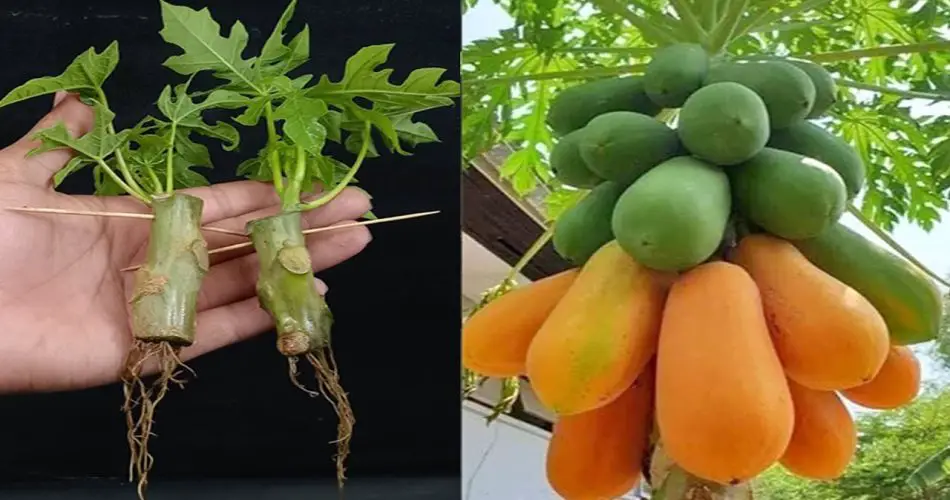
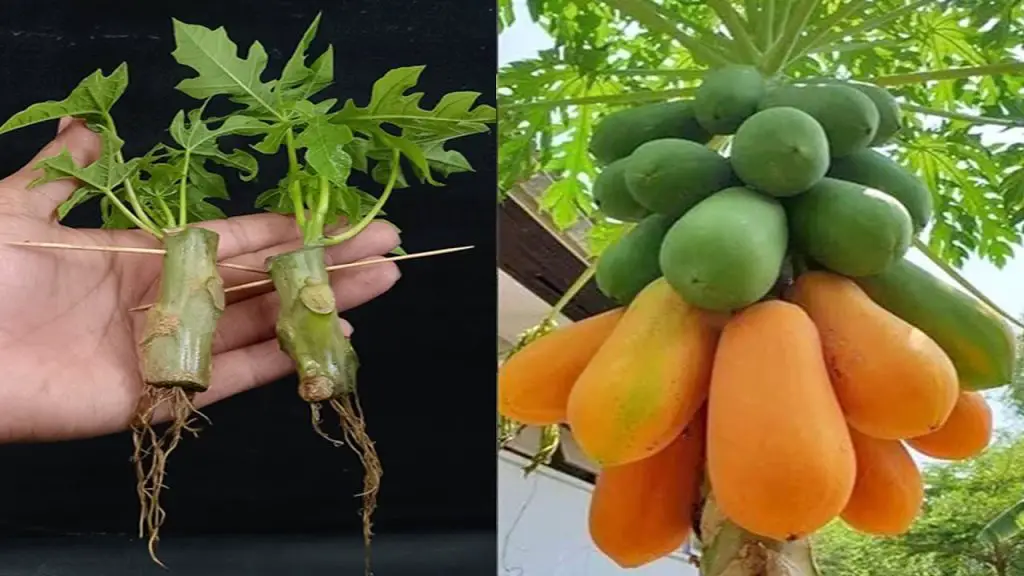
The Papaya tree (Carica papaya) is a tropical plant known for its sweet and nutritious fruit. While papaya trees are typically propagated through seeds, it’s also possible to propagate them using cuttings in water. This method is quicker and can result in a faster-growing plant, which is ideal for those looking to establish papaya trees in their gardens or homes. In this article, we will guide you through the step-by-step process of propagating a papaya tree from cutting using water, ensuring success and healthy growth.
1. What is Papaya and Why Propagate from Cuttings?
Papaya is a fast-growing tropical tree that produces large, sweet, and delicious fruit with vibrant orange flesh. It thrives in warm climates and is often grown in home gardens and orchards. While seeds are the most common method for propagating papayas, cuttings offer a quicker alternative that allows you to grow genetically identical trees.
When propagating from cuttings, the new papaya tree will be a clone of the parent plant, inheriting the same characteristics, including fruit size, taste, and tree structure. Propagating papaya from cuttings is especially useful when you have a tree that produces excellent fruit and want to replicate it without waiting for seeds to germinate and mature.
2. Why Use Water for Propagating Papaya Trees?
Using water to propagate papaya cuttings offers several benefits:
- Faster root development: Water provides a consistent moisture source, encouraging the cutting to form roots more quickly than in soil.
- Easy observation: With water propagation, you can easily observe the root development process and make adjustments as needed.
- Less risk of rot: Propagating in water helps reduce the risk of cutting rot that can sometimes occur in damp soil if not properly drained.
3. How to Propagate Papaya Tree from Cutting in Water
Follow these simple steps to propagate your papaya tree from cutting using water:
Step 1: Select a Healthy Papaya Tree
- Choose a mature and healthy papaya tree with good fruit production. This ensures the cutting you take will have the best chance of successful rooting and growth.
- Select a healthy, disease-free branch from the tree. The branch should be young and semi-woody, approximately 6-8 inches (15-20 cm) long.
- Make sure the branch has at least one node, which is the area where roots will emerge.
Step 2: Take the Cutting
- Using a sharp, sterile knife or pruning shears, make a clean cut from the selected branch. Cut just below a node, as this is where roots will form.
- Trim off any leaves or flowers from the bottom part of the cutting to reduce water loss and direct the plant’s energy toward root development.
- Optionally, dip the cut end of the branch in rooting hormone to encourage faster and stronger root growth. This step is optional but can improve success rates.
Step 3: Place the Cutting in Water
- Choose a container with clean water, such as a glass jar, vase, or plastic bottle. Ensure the water level is high enough to submerge the cut end of the cutting, but not so high that it touches the leaves.
- Place the cutting in the water, ensuring the cut end is submerged while the top part of the cutting remains above the water level. This helps prevent rot while allowing the roots to grow.
- Position the container in a bright location with indirect sunlight. Papayas need warmth to develop roots, but they should not be exposed to direct sunlight, which can heat up the water too much.
Step 4: Change the Water Regularly
- To prevent bacteria buildup and keep the water fresh, change the water every 2 to 3 days. Clean the container if needed.
- Be careful not to disturb the cutting when changing the water, as this can damage the developing roots.
Step 5: Observe the Root Development
- After about 2 to 3 weeks, you should start to see roots developing from the cut end of the cutting. The roots may take anywhere from 3 to 6 weeks to grow long enough for transplanting, depending on the environmental conditions.
- Ensure the cutting stays in the water until the roots are about 2 to 3 inches (5 to 7 cm) long.
Step 6: Transplant the Papaya Cutting into Soil
- Once the roots have developed, it’s time to transplant the cutting into soil. Prepare a pot with well-draining soil, such as a mix of potting soil, sand, and perlite.
- Make a hole in the soil large enough to accommodate the roots of the cutting without bending or damaging them.
- Carefully transplant the cutting into the soil, making sure the roots are well-covered, and the cutting is standing upright.
- Gently pack the soil around the base of the cutting to hold it in place.
Step 7: Water and Care for the Transplanted Cutting
- After transplanting, water the cutting well to settle the soil and hydrate the new roots. Keep the soil moist, but not soggy.
- Place the pot in a bright, warm location that receives plenty of indirect sunlight. Papayas prefer temperatures between 75°F to 85°F (24°C to 29°C).
- As the plant starts to grow, it may need additional support if it becomes tall or spindly. Consider adding a stake or small trellis to help it stay upright.
4. Tips for Successful Papaya Propagation
- Rooting hormone: While not essential, using rooting hormone can significantly boost the chances of success and encourage faster root development.
- Avoid over-watering: Too much water can cause the cutting to rot, especially if the water becomes stagnant or if the cutting is left in water for too long before the roots develop.
- Temperature: Papayas are tropical plants that require warm temperatures for optimal growth. Avoid placing the cutting in a cold or drafty location.
- Transplanting time: Once the cutting has a healthy root system, transplant it as soon as possible into the soil to prevent the roots from becoming waterlogged or deformed.
5. Common Problems When Propagating Papayas from Cuttings
- Rotting: If the cutting is kept in water for too long or if the water isn’t changed frequently, the cutting may begin to rot. Ensure the water is fresh and replace it regularly.
- Slow root development: Sometimes, papaya cuttings may take longer than expected to develop roots. Be patient and ensure the conditions (temperature, light, and water quality) are optimal.
- Leaf drop: It’s normal for papaya cuttings to shed leaves when propagating. As long as the roots are developing, the plant will eventually recover and start growing new leaves.
6. Conclusion
Propagating papaya trees from cuttings with water is a simple and effective way to grow a healthy papaya tree with minimal effort. By following the steps outlined above, you can achieve successful rooting and eventually transplant a strong, productive papaya tree. Whether you’re an experienced gardener or a beginner, propagating papayas from cuttings offers a rewarding and quicker method to enjoy the sweet fruits of your labor. Happy gardening!