Guava trees (Psidium guajava) are known for their sweet, tangy fruit and their ability to thrive in warm climates. While growing a guava tree from seeds is an option, propagating guava trees from cuttings in water is a faster and more efficient method. This approach allows you to grow multiple trees with ease and enjoy fresh guava fruit sooner. In this article, we’ll guide you through the step-by-step process of propagating a guava tree from cuttings in water, with updated tips for success.

Why Propagate Guava from Cuttings?
Propagating guava from cuttings has several advantages:
- It’s quicker than growing from seed, often producing a tree that bears fruit faster.
- The new tree will be a clone of the parent, preserving the same fruit quality.
- It’s an easy and inexpensive method of growing guava trees in your home garden.
Materials You’ll Need
Before you begin, gather the following materials:
- A healthy guava tree from which to take the cutting
- A sharp knife or pruning shears
- A clear glass container (such as a jar or vase) for the water
- Filtered or distilled water (to prevent harmful chemicals found in tap water)
- Plastic wrap or a plastic bag (optional for humidity control)
- Rooting hormone (optional, but can speed up root development)
Step-by-Step Guide: How to Propagate Guava Tree from Cuttings in Water
1. Select a Healthy Cutting
Start by choosing a healthy guava tree with strong, mature branches. Select a branch that is about 6-8 inches long and has several leaf nodes. A cutting with healthy leaves is preferable as it will provide the energy needed for the rooting process. Make sure the branch is free of any disease or pests.
2. Prepare the Cutting
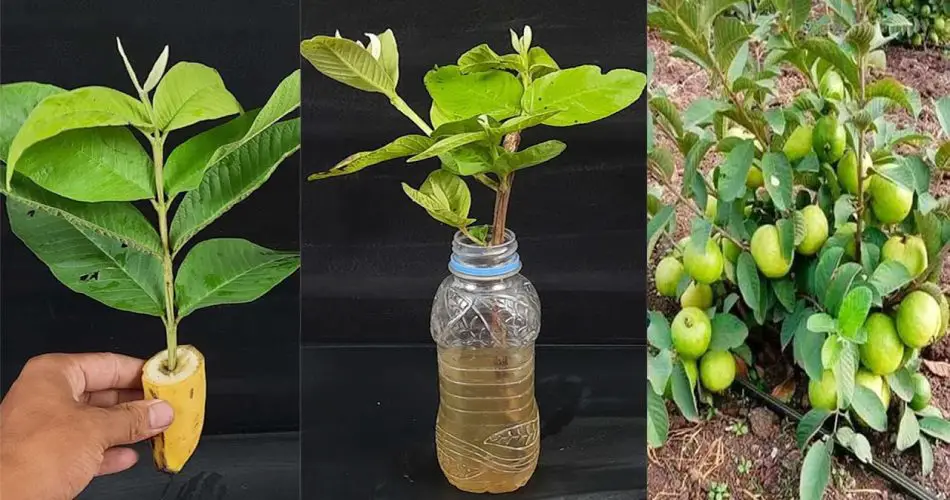
Using a sharp knife or pruning shears, make a clean cut just below a leaf node. Remove any leaves from the bottom 2-3 inches of the cutting, leaving the upper leaves intact. This ensures that the cut end is exposed to water, while the leaves remain above the waterline. Optionally, you can dip the cut end into rooting hormone, though this step isn’t necessary for guava propagation.
3. Place the Cutting in Water
Fill your glass container with filtered or distilled water, making sure the bottom of the cutting is submerged but the leaves are above the waterline. It’s essential to use clean water to avoid introducing chemicals that might harm the cutting. Place the container in a bright, warm location where it will receive indirect sunlight.
4. Maintain the Water Level
As the cutting starts to develop roots, monitor the water level regularly, ensuring that the bottom of the cutting remains submerged. Change the water every few days to keep it fresh and prevent stagnation. Clean the container and refill it with fresh water to maintain a healthy environment for root growth.
5. Wait for Root Development
It can take 2-6 weeks for roots to begin developing. During this period, the cutting may start to show signs of growth, such as new leaves or swelling at the base where the roots are forming. Be patient and continue to maintain the water levels and cleanliness of the container.
6. Check the Roots
Once the cutting has developed a healthy set of roots, it’s time to transplant it into soil. Wait until the roots are at least 2-3 inches long to ensure that the cutting is strong enough to survive in the soil. At this point, you can move on to the next step.
7. Transplant into Soil
Prepare a pot with well-draining potting soil. Make a hole in the soil and gently place the rooted cutting into the hole, making sure the roots are covered. Press the soil around the cutting to secure it in place. Water the soil thoroughly to help the cutting establish itself.
8. Care for Your New Guava Tree
Once the cutting is planted, keep it in a sunny spot that receives at least 6 hours of direct sunlight each day. Water the plant regularly, ensuring that the soil stays slightly moist but not waterlogged. Fertilize the plant with a balanced fertilizer to support its growth, and keep an eye out for any signs of pests or diseases.
9. Updates on Growth and Success
After a few months, your guava tree should start to grow vigorously. It may begin to produce new leaves, branches, and eventually fruit. If you notice any yellowing leaves or stunted growth, it may be a sign that the tree needs more sunlight, water, or nutrients. Adjust your care routine as needed.
Tips for Success
- Humidity: Guava cuttings thrive in high humidity. If the air is dry, you can cover the cutting with plastic wrap or a plastic bag to help retain moisture.
- Temperature: Guava trees grow best in warm temperatures between 70°F and 85°F (21°C and 29°C). Ensure the cutting is kept in a temperature range that supports root growth.
- Pruning: Once your guava tree is established, consider pruning to shape it and encourage more branching, which will lead to better fruit production.
Conclusion
Propagating a guava tree from cuttings in water is a simple and effective way to grow a new tree at home. With a little patience and the right care, your cutting will develop into a strong, healthy guava tree that will eventually reward you with delicious fruit. Whether you’re looking to expand your garden or simply enjoy home-grown guavas, this propagation method is a fantastic option for gardeners of all levels. Happy propagating!