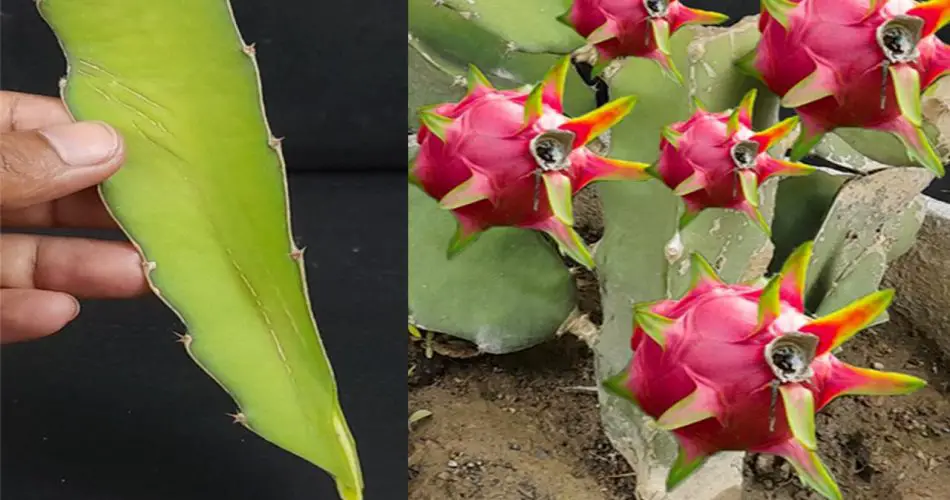
Dragon fruit, also known as pitaya, is a stunning tropical fruit with vibrant, pink skin and sweet, white or red flesh speckled with black seeds. Growing dragon fruit is a rewarding experience, and the best part is that it can be propagated from cuttings, making the process both simple and efficient. If you’re eager to grow your own dragon fruit plant, you can do so easily by following the steps below.
Why Propagate Dragon Fruit from Cuttings?
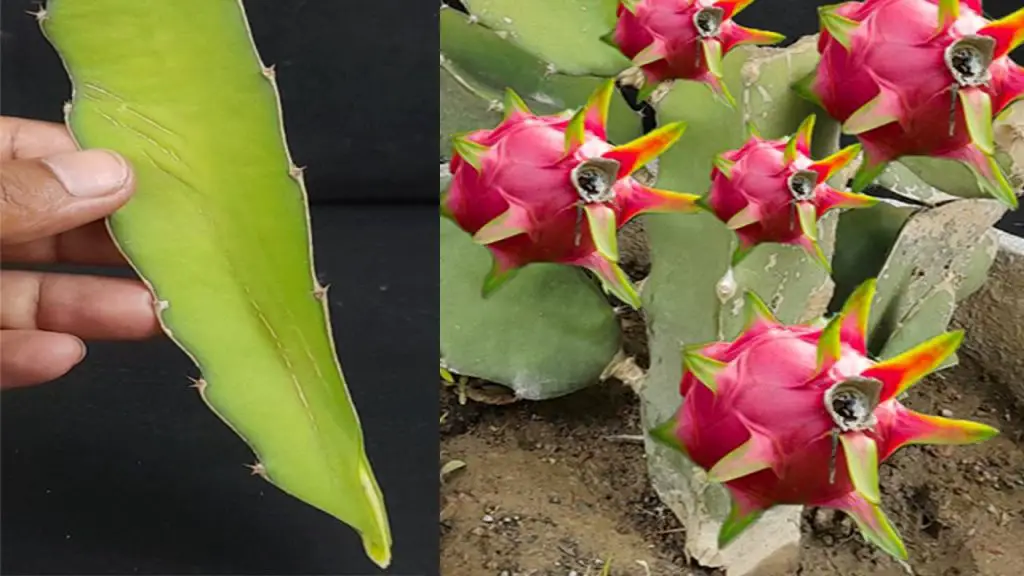
Propagation from cuttings is a popular method for growing dragon fruit because it’s quick, reliable, and doesn’t require the long wait associated with growing from seeds. By using healthy cuttings from an established plant, you can ensure that your new dragon fruit plant will inherit all the desirable traits, including its unique fruit flavor and vibrant color.
This method also reduces growing time, allowing the cutting to establish itself faster compared to starting from seed.
Step-by-Step Guide to Propagate Dragon Fruit from Cutting
Follow these easy steps to propagate your own dragon fruit plant from a cutting:
1. Select a Healthy Dragon Fruit Cutting
- Choose a mature, healthy stem from a dragon fruit plant. Look for stems that are at least 6-12 inches long. The cutting should be free from pests or signs of disease.
- The best time to take a cutting is during the spring or summer, as this is when the plant is actively growing.
2. Cut the Dragon Fruit Stem
- Using a sharp knife or pruning shears, carefully cut a piece of the stem, making sure to leave a clean cut. Avoid jagged edges, as they can slow down the rooting process.
- Make sure to remove any thorns that may be on the cutting for easier handling.
3. Let the Cutting Callus Over
- After cutting the stem, place the cutting in a dry, shaded area for a few days. This allows the cut surface to callus over, which is crucial for preventing rot and promoting root growth.
- The callusing process should take about 3-7 days, depending on the environmental conditions. The cutting should have a hard, dry end before you proceed to the next step.
4. Prepare the Soil
- Choose a well-draining soil mix to plant your dragon fruit cutting. A cactus or succulent mix is ideal, but you can also make your own mix with sand, perlite, and potting soil.
- Ensure the container has drainage holes to prevent water from accumulating at the bottom, which can cause the cutting to rot.
5. Plant the Dragon Fruit Cutting
- Once the cutting has formed a callus, plant the base of the cutting into the prepared soil. Dig a small hole and place the cutting about 2-3 inches deep into the soil.
- Gently pack the soil around the cutting to stabilize it, making sure it’s upright and secure.
6. Water the Cutting Lightly
- Water the soil lightly to settle the cutting in place. Don’t overwater, as excess moisture can lead to rot. The soil should remain slightly moist but not soggy.
- For the first few weeks, water the cutting once a week, allowing the soil to dry out between waterings.
7. Provide the Right Growing Conditions
- Place the cutting in a warm, sunny location. Dragon fruit plants thrive in full sunlight and need at least 6-8 hours of sunlight per day to establish roots and begin growing.
- The ideal temperature for rooting and growth is between 70-85°F (21-29°C). Dragon fruit plants are tropical and prefer warm climates.
8. Wait for Root Development
- Patience is key when propagating dragon fruit. It can take anywhere from 2-4 weeks for the cutting to begin developing roots. You can check for root growth by gently tugging on the cutting—if you feel resistance, it means roots are starting to form.
- Once the cutting has established roots, it will begin to grow new shoots and branches.
9. Transplant to a Larger Pot or Garden
- Once your cutting has rooted and shows new growth, you can transplant it into a larger pot or directly into your garden. Choose a well-drained area with plenty of sunlight.
- Be sure to acclimate the plant to its new environment by introducing it to direct sunlight gradually to avoid sunburn.
Additional Tips for Successful Dragon Fruit Propagation
- Temperature and Humidity: Dragon fruit cuttings thrive in warm temperatures and high humidity. If you live in a cooler climate, consider using a grow light or a greenhouse to provide the warmth and humidity the plant needs to grow.
- Fertilization: Once your dragon fruit plant starts growing, use a balanced fertilizer to encourage healthy growth. Fertilize during the growing season (spring and summer) and reduce fertilization during the dormant months (fall and winter).
- Support: Dragon fruit plants grow as vining cacti, so they may need a support structure like a trellis or a cactus pole to grow vertically.
Conclusion
Propagating dragon fruit from cuttings is a simple and effective way to grow your own pitaya plant at home. With proper care, your cutting will grow into a healthy dragon fruit vine, ready to produce beautiful flowers and delicious fruit. This method is not only cost-effective but also a fun way to expand your tropical garden.
By following the steps outlined in this guide, you’ll be on your way to successfully growing dragon fruit from cuttings and enjoying the beauty and flavor of this unique fruit in no time! 🌱🍓