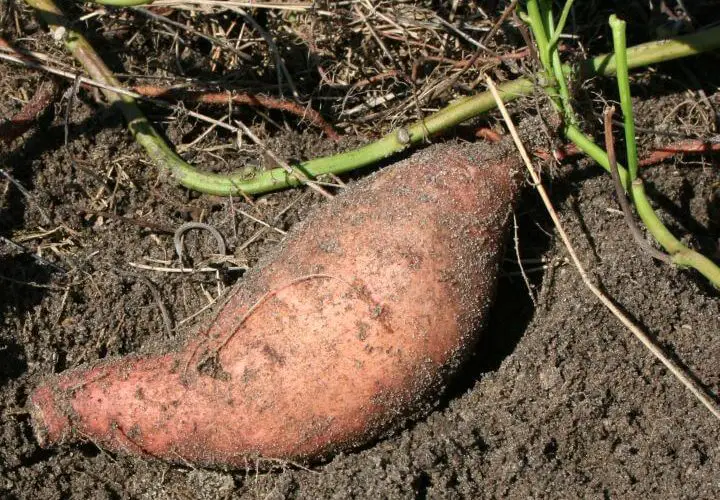
Growing sweet potatoes in your vegetable garden is an easy and rewarding experience. Unlike most vegetables that grow from seeds, sweet potatoes thrive from cuttings. Here’s a simple guide on how to cultivate these delicious tubers without any fancy gardening jargon.
- Start with Sweet Potato Cuttings:
Sweet potatoes don’t come from seeds, so you’ll need cuttings from a mature sweet potato. You can buy plants online or at a local nursery, but the best option is to start your own cuttings from a store-bought sweet potato, preferably an organic one. When shopping, check if the sweet potato is a trailing or climbing variety. To make cuttings, get several healthy sweet potatoes. Each potato can yield up to 50 leafy cuttings. Wash them thoroughly, cut them in half or large sections, and place each section in a pot or glass of water. Use toothpicks to secure the potato, with half submerged in water. Put them on a windowsill or radiator, and within a few weeks, leafy shoots and roots will develop. - Properly Root Your Sweet Potato Cuttings:
Once your sweet potatoes have grown leaves and roots, separate them into plants. Carefully remove each cutting from the sweet potato, place them in a shallow bowl with the bottom half submerged in water, and leaves on top. After a few days, roots will sprout. When the roots are about 3cm long, the new plants are ready for planting. Keep the water fresh and discard any cuttings that aren’t producing roots or seem unhealthy. - Plant Your Cuttings:
Use a small hand trowel to dig holes approximately 10cm deep and 7cm wide. Place a sweet potato plant in each hole with roots facing down and the top half, including leaves, above the ground. Gently fill the hole with soil without damaging the plant. Sweet potatoes are delicate, so handle them with care. Press down on the soil to settle the plant and remove air pockets. Repeat until all your plants are in place. - Watering Routine:
Water your sweet potato cuttings thoroughly after planting. Ensure the surrounding soil is moist but stop before the mound erodes. Water daily for the first week, every other day for the second week, and gradually reduce watering frequency. Adjust the schedule based on your garden’s conditions. While sweet potatoes can tolerate drought, consistent watering during the hottest summer periods ensures optimal production.
By following these simple steps, you’ll enjoy a successful sweet potato harvest in your home garden. Happy gardening!
Show Comments