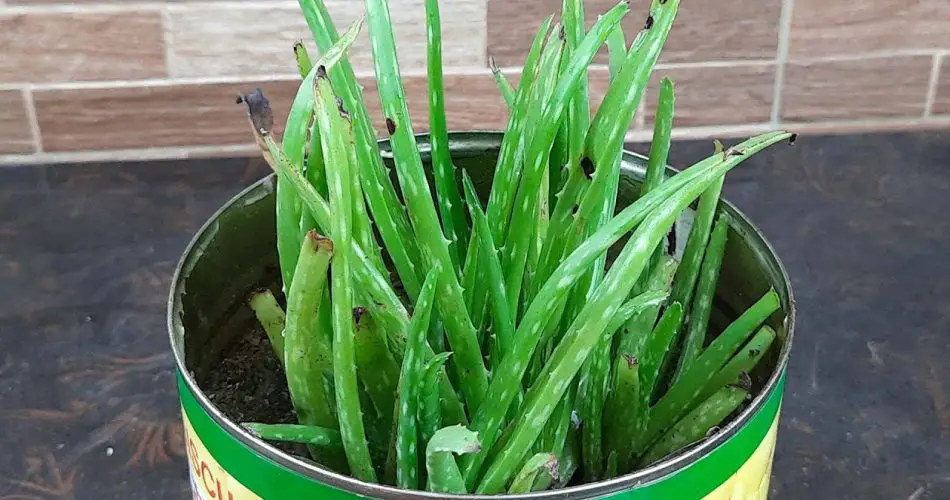
Aloe vera is a succulent plant known for its numerous health benefits, from soothing burns to enhancing skincare routines. Growing aloe vera at home is relatively easy, and with just a little care, you can have a thriving plant that offers both beauty and practical use. This article provides simple tips and guidelines to ensure your aloe vera plant grows healthily and stays vibrant year-round.
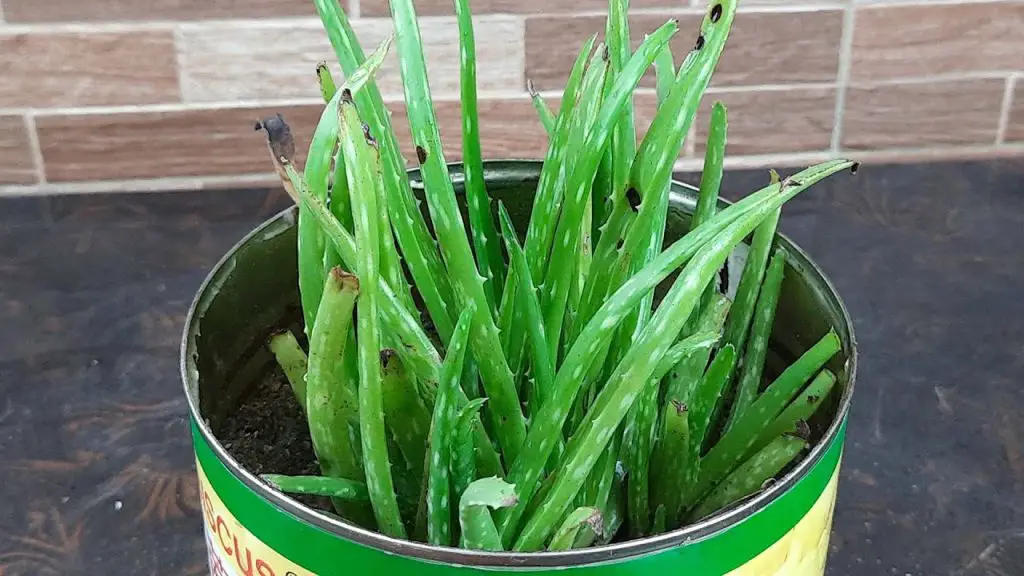
Why Grow Aloe Vera at Home?
Aloe vera is an incredibly versatile plant. Here are just a few reasons to grow it:
- Natural skincare: Aloe vera gel is widely used for treating skin irritations, burns, and acne.
- Air purifier: Aloe vera helps purify the air by removing harmful chemicals.
- Low maintenance: Aloe vera is perfect for beginners due to its minimal care requirements.
How to Grow Aloe Vera at Home
Growing aloe vera at home is straightforward as long as you provide it with the right conditions. Here’s how you can get started:
1. Choosing the Right Pot and Soil
- Pot: Aloe vera thrives in well-draining containers. Choose a pot with drainage holes to prevent water from accumulating at the bottom.
- Soil: Aloe vera requires cactus or succulent soil, which allows for proper drainage. You can also use a mixture of potting soil with added sand or perlite to ensure good drainage.
2. Planting Aloe Vera
- Location: Aloe vera prefers bright, indirect light. A south-facing window is ideal. Avoid placing the plant in direct sunlight for long periods as it can scorch the leaves.
- Planting depth: When planting, make sure the base of the aloe vera is just below the surface of the soil. Avoid burying the leaves as they can rot.
3. Watering Aloe Vera
- Water sparingly: Aloe vera is drought-tolerant and prefers dry conditions. Water only when the soil is completely dry. Overwatering is a common mistake, so ensure the soil is well-drained.
- Watering frequency: During the growing season (spring and summer), water once every two to three weeks. In the cooler months (fall and winter), reduce watering to once a month.
4. Temperature and Humidity
- Ideal temperature: Aloe vera grows best in temperatures between 59°F and 77°F (15°C to 25°C). Keep it away from cold drafts or temperatures below 50°F (10°C).
- Humidity: Aloe vera prefers low humidity, which is why it thrives in dry indoor environments. If you live in a humid climate, make sure your aloe vera is kept indoors or in a controlled environment.
5. Fertilizing Aloe Vera
- Fertilize occasionally: Aloe vera doesn’t need frequent fertilizing. Feed your plant once a month during the growing season (spring and summer) with a diluted cactus fertilizer. Avoid fertilizing during the winter months when the plant is dormant.
Tips for Healthy Aloe Vera Growth
1. Repotting Aloe Vera
- Aloe vera doesn’t need to be repotted often. Repot every 1-2 years or when the plant becomes root-bound. Choose a pot that’s only 1-2 inches larger than the current one to prevent water retention and root rot.
2. Pruning Aloe Vera
- Remove dead or damaged leaves by cutting them at the base. This encourages new growth and helps the plant stay healthy. Avoid cutting healthy leaves unless needed for propagation.
3. Preventing Pests and Diseases
- Aloe vera is relatively pest-resistant, but it can sometimes attract mealybugs, aphids, or scale insects. If you notice pests, gently wipe the leaves with a damp cloth or use an insecticidal soap.
- Be cautious of root rot caused by overwatering. Always ensure the soil is completely dry before watering again.
How to Propagate Aloe Vera
Aloe vera is easy to propagate through offsets (also known as “pups”). These are baby plants that grow around the base of the main plant. Here’s how to propagate:
- Remove the pup: Gently separate the offset from the main plant. Be careful not to damage the roots.
- Let it dry: Allow the pup to dry for a day or two before planting to prevent rot.
- Plant the pup: Plant the pup in a small pot with well-draining soil and water sparingly until it establishes roots.
Common Aloe Vera Problems
- Yellowing leaves: This can indicate overwatering or too much direct sunlight. Adjust the watering schedule and move the plant to a brighter spot with indirect light.
- Soft, mushy leaves: This is a sign of root rot, usually caused by overwatering. Ensure the plant has proper drainage and avoid letting water sit in the bottom of the pot.
- Leggy growth: If your aloe vera is growing tall and spindly, it’s not getting enough light. Move it to a brighter location for more sunlight.
Conclusion
Growing aloe vera at home is a rewarding experience, offering both beauty and practical health benefits. By providing the right pot, soil, and care, your aloe vera plant will thrive and flourish. With these easy tips and a bit of attention, you’ll have a healthy, vibrant plant that can enhance your home while providing natural remedies for your skin and wellness. 🌱💚