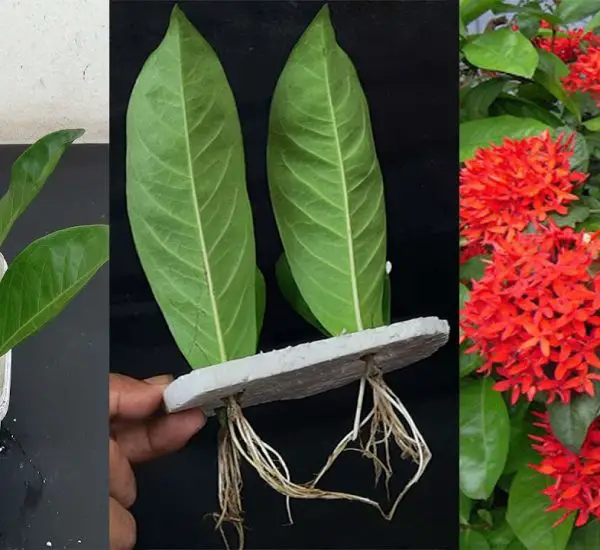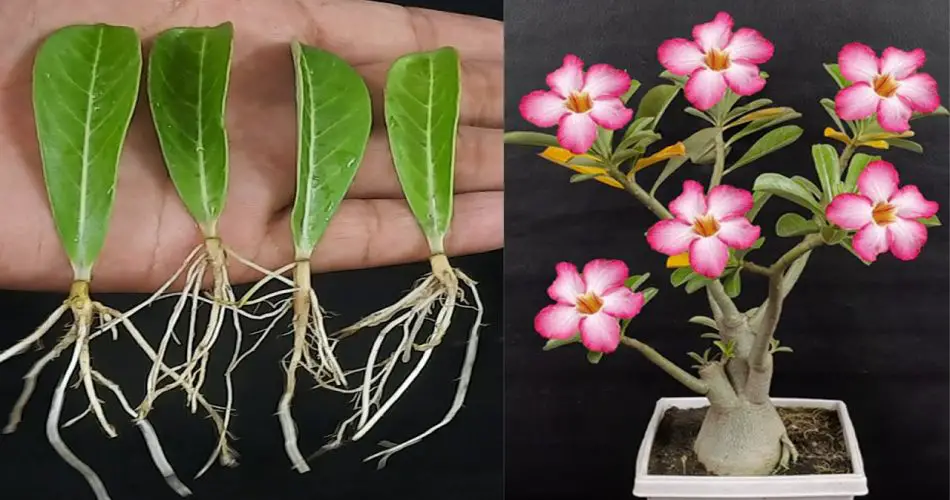
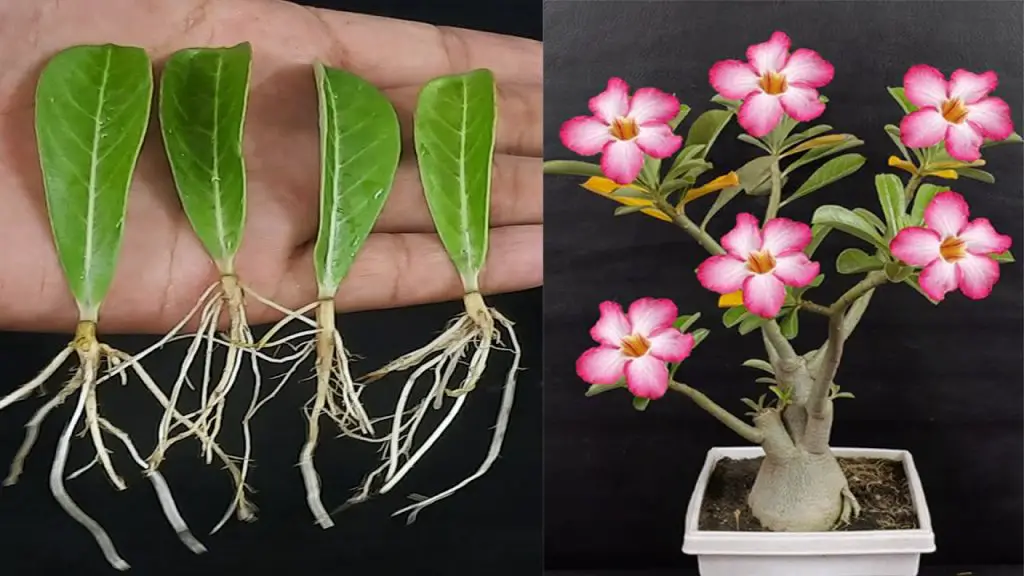
The Adenium plant, also known as the Desert Rose, is a stunning succulent native to the Arabian Peninsula, Africa, and Madagascar. Famous for its beautiful, vibrant flowers and unique, swollen trunks, the Adenium plant is a popular choice for gardeners looking to add some tropical flair to their home or garden. If you’re wondering how to grow an Adenium plant with healthy leaves and vibrant flowers, here’s everything you need to know about its care, from planting to maintenance.
Why Choose Adenium?
Adenium plants are hardy, drought-tolerant, and can thrive even in dry climates, making them a great choice for gardeners in arid regions. Their fleshy leaves and eye-catching blooms are perfect for creating a beautiful focal point in containers, gardens, or indoor spaces. With the right care, Adeniums can live for many years and provide a striking addition to any landscape.
How to Grow Adenium Plant with Leaves
1. Choosing the Right Location
Adenium plants thrive in warm, sunny locations. To grow a healthy Adenium plant with beautiful leaves, make sure it receives at least 6 hours of direct sunlight every day. If growing Adenium indoors, place it near a south-facing window or under a grow light to ensure it gets enough light.
2. Planting Adenium from Seed or Cutting
Adenium can be propagated in two ways: from seeds or cuttings. Both methods are relatively easy, but cuttings tend to grow faster.
- From Cuttings: Take a healthy, mature Adenium stem cutting (around 4-6 inches long). Let the cutting dry for 2-3 days to prevent rot before planting it in well-draining soil.
- From Seeds: If growing from seeds, plant the seeds in a moist, well-draining soil mix and keep them warm. They can take 1-2 weeks to germinate.
3. Soil Requirements
The Adenium plant needs well-draining soil to avoid root rot. Use a mix of cactus soil or a succulent soil mix, which ensures good drainage. You can also create your own soil mix by combining sand, perlite, and peat moss.
4. Watering Adenium
Watering is one of the most critical aspects of Adenium care. Overwatering can lead to root rot, so always let the soil dry out between waterings. During the growing season (spring and summer), water your Adenium plant every 7-10 days, but in the dormant season (fall and winter), reduce watering to once every 2-3 weeks.
- Water thoroughly, but ensure excess water drains out from the pot to prevent sogginess.
- If you’re growing Adenium outdoors, water it deeply during hot weather, but ensure the soil doesn’t stay waterlogged.
5. Temperature and Humidity
Adeniums prefer hot, dry climates. They thrive in temperatures between 70°F to 95°F (21°C to 35°C) and are sensitive to frost. If you live in a region with cold winters, grow your Adenium in a container so you can bring it indoors during the winter months.
- Humidity: Adeniums are adapted to dry conditions and don’t require high humidity. Keep humidity levels below 50% to avoid issues like mold or rot.
6. Fertilizing Adenium
During the growing season, fertilize your Adenium plant to encourage strong growth and vibrant flowers. Use a balanced liquid fertilizer with a high potassium content once every 4-6 weeks. Avoid fertilizing during the dormant period (fall and winter), as the plant will not be actively growing.
- Tip: If you want to promote flowering, use a low-nitrogen fertilizer, as excess nitrogen encourages leaf growth rather than flowering.
7. Pruning Adenium
To keep your Adenium plant healthy and promote a bushier appearance, prune it regularly. Remove any dead or damaged leaves and stems to allow for better air circulation. Pruning also encourages new growth and helps shape the plant.
- Best time to prune: After the blooming season, or in early spring before new growth begins.
Adenium Plant Care: Ensuring Healthy Leaves and Beautiful Blooms
1. Leaf Care
If your Adenium plant has yellowing leaves, this could be a sign of overwatering, poor drainage, or nutrient deficiencies. Ensure that the plant is in well-draining soil and that you are not overwatering it. If the plant is healthy, the leaves should be thick, glossy, and deep green.
- If you notice brown spots on the leaves, it may indicate sunburn from too much direct light or too much fertilizer.
- Keep the plant in a location with bright, indirect light if you’re growing it indoors to prevent leaf scorching.
2. Dealing with Pests
Adenium plants are generally resistant to pests, but they can occasionally suffer from mealybugs, aphids, or spider mites. If you notice sticky residue or tiny insects on the leaves or stems, treat the plant with an insecticidal soap or a homemade solution of water and neem oil.
- Regularly inspect your Adenium for any pests, and remove them immediately to prevent damage to the plant.
3. Encouraging Blooms
Adenium plants are known for their gorgeous flowers that come in various colors, including pink, red, white, and purple. To encourage blooming:
- Provide full sunlight (at least 6 hours per day).
- Ensure the plant receives adequate water and nutrients during the growing season.
- Avoid excessive nitrogen, as it promotes leaf growth at the expense of flowers.
Common Problems and Solutions for Adenium Care
- Yellow Leaves: Usually caused by overwatering or poor drainage. Ensure the soil dries out completely between waterings.
- No Flowers: Often a sign of too much fertilizer or not enough sunlight. Adjust your care routine to ensure your Adenium receives plenty of light and proper nutrients.
- Leggy Growth: If your Adenium plant is not growing compactly, it may not be receiving enough light. Move it to a brighter spot to encourage stronger, more compact growth.
Conclusion
Growing an Adenium plant with healthy leaves and beautiful blooms is a rewarding experience that only requires a little care and attention. By providing the plant with the right soil, water, light, and temperature, you can enjoy its stunning flowers and striking leafy appearance for years to come. Whether you grow your Adenium indoors or outdoors, its tropical beauty will add a touch of exotic flair to your home or garden. Happy gardening! 🌸