Grafting is a popular horticultural technique that allows gardeners to propagate and enhance their plants. One such plant that benefits from grafting is the jujube plant (Ziziphus jujuba), a hardy fruit-bearing tree known for its sweet, tangy fruits. If you’ve been wondering how to propagate your jujube plant or improve its growth, grafting is an excellent method. In this article, we’ll show you how to graft a jujube plant from cuttings to successfully grow a healthy and productive tree.
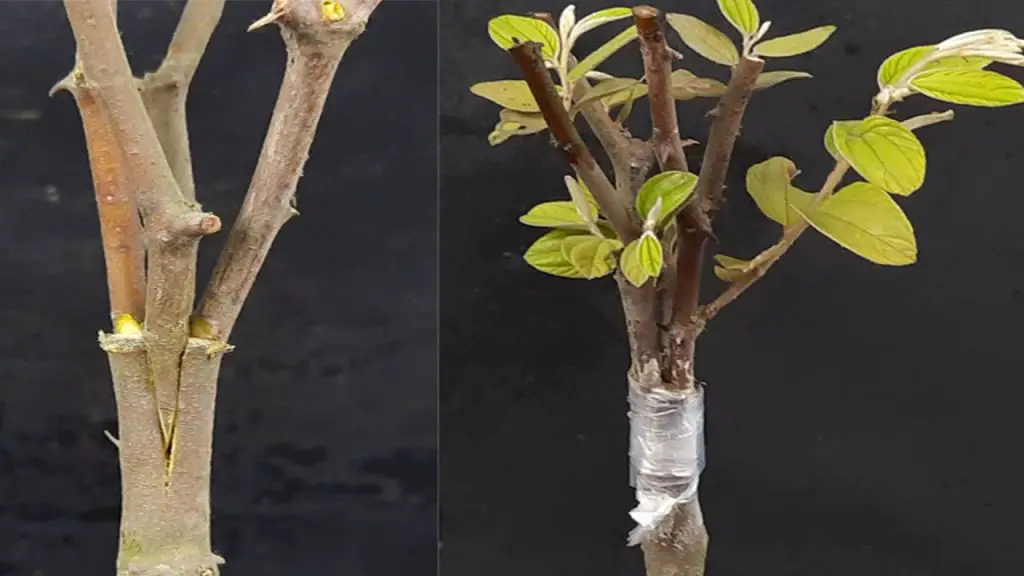
What is Grafting and Why Use it for Jujube Plants?
Grafting involves joining a scion (a cutting of a desired plant) to a rootstock (the root system of another plant). This method encourages the growth of new branches, improves fruit quality, and speeds up the growing process compared to growing from seed. By grafting a jujube cutting, you can produce a tree that inherits the best characteristics of both the rootstock and scion, including disease resistance and increased yield.
Grafting also helps with faster fruit production, as you can avoid the long wait time required for seed-grown jujubes to mature.
Materials Needed for Grafting Jujube Plants:
Before you start, make sure you have the following materials:
- Healthy jujube scion (a cutting from a mature tree, preferably 6-8 inches long)
- Jujube rootstock (a young jujube tree or root cutting)
- Sharp knife or pruning shears
- Grafting tape or grafting parafilm (to secure the graft)
- Grafting wax or sealant (to protect the graft)
- Rooting hormone (optional, to encourage root development)
- Clean, sharp scissors or blades
Step-by-Step Guide to Grafting Jujube from Cuttings:
Step 1: Prepare the Scion and Rootstock
- Choose your scion carefully: Select a healthy jujube cutting from a mature tree. The scion should be a piece of young wood (not too old or too young) with at least a few buds. It’s best to take the scion during late winter or early spring when the plant is dormant.
- Prepare the rootstock: The rootstock should be a young jujube tree that is compatible with the scion you’ve chosen. It should be healthy and about the same diameter as the scion for a successful graft.
Step 2: Make the Grafting Cut
- Cut the scion: Trim the base of the scion at a 45-degree angle, ensuring the cut is smooth and clean. The cutting should be around 6-8 inches long, with at least two or three buds visible.
- Prepare the rootstock: Make a matching cut on the rootstock. You can choose between a cleft graft (cutting the rootstock in half and inserting the scion) or a whip-and-tongue graft (making angled cuts on both the rootstock and scion that fit together). For beginners, the cleft graft is generally easier and more reliable.
Step 3: Join the Scion and Rootstock
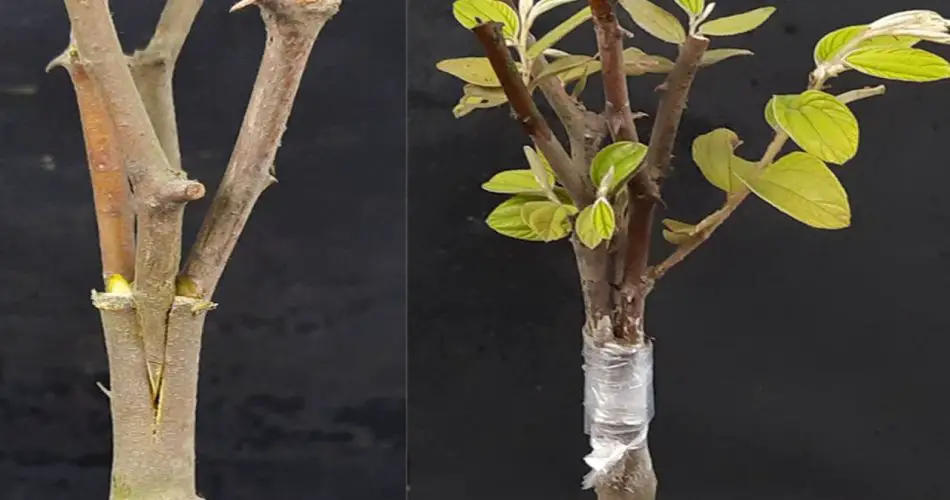
- Fit the scion onto the rootstock: Gently place the cut surface of the scion against the cut surface of the rootstock. The cambium layers (the green tissue under the bark) of both the scion and rootstock should be aligned as closely as possible to ensure successful fusion.
- Secure the graft: Use grafting tape or parafilm to wrap the graft site. This will hold the scion in place and protect it from drying out. Ensure that the graft is tightly secured, but not so tight that it restricts growth.
Step 4: Apply Grafting Wax
- Seal the graft: After securing the graft with tape, apply grafting wax or a sealant around the exposed edges of the graft. This will help prevent moisture loss and protect the graft from disease and pests.
Step 5: Care for the Grafted Jujube
- Keep the grafted plant in a shaded area: Place your grafted jujube tree in a cool, shaded spot for the first few weeks to allow the graft to heal properly.
- Water the plant: Ensure the rootstock and scion receive adequate watering but avoid overwatering, as this could cause the graft site to rot.
- Monitor for growth: In a few weeks, check the graft for signs of new growth. If you see the scion producing new buds or shoots, this means the graft was successful.
When to Expect Results from Grafted Jujube Plants:
After grafting, you should start to see signs of new growth within 3-4 weeks. The scion will begin to sprout new buds and shoots. If you’re successful, the graft should grow into a healthy jujube tree with a robust root system.
You can expect to see fruit production within 2-3 years of grafting, depending on the rootstock and growing conditions.
Additional Tips for Successful Grafting:
- Use healthy, disease-free materials: Always select disease-free scion and rootstock to avoid introducing infections into your garden.
- Graft in the right season: The best time for grafting jujube plants is during early spring or late winter when the plant is dormant, as this is when grafting success rates are highest.
- Provide proper care: Keep your grafted jujube in a well-drained soil and sunny location for optimal growth.
Conclusion
Grafting jujube plants from cuttings is a great way to quickly propagate new trees, improve fruit quality, and ensure a more productive harvest. By following the simple steps outlined above, you can enjoy fast-growing, healthy jujube plants that will thrive in your garden. With a little patience and care, you’ll be able to enjoy delicious jujube fruits in no time! 🌱