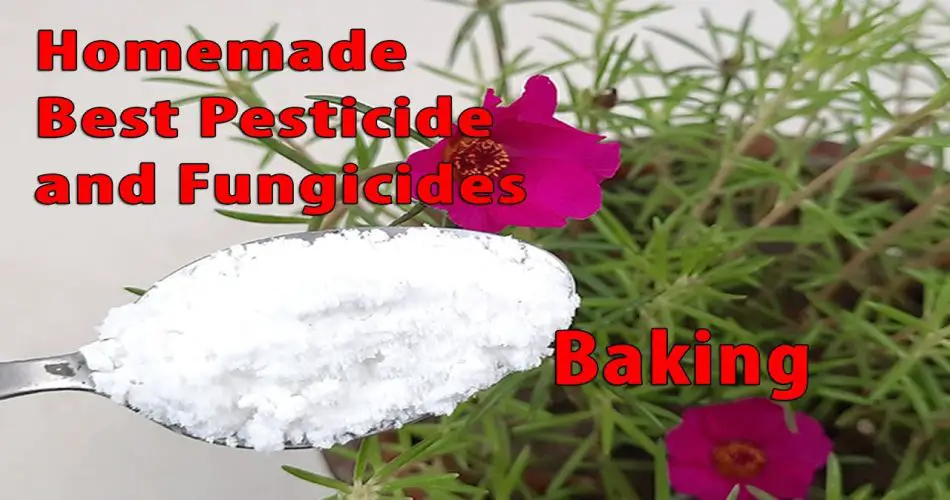
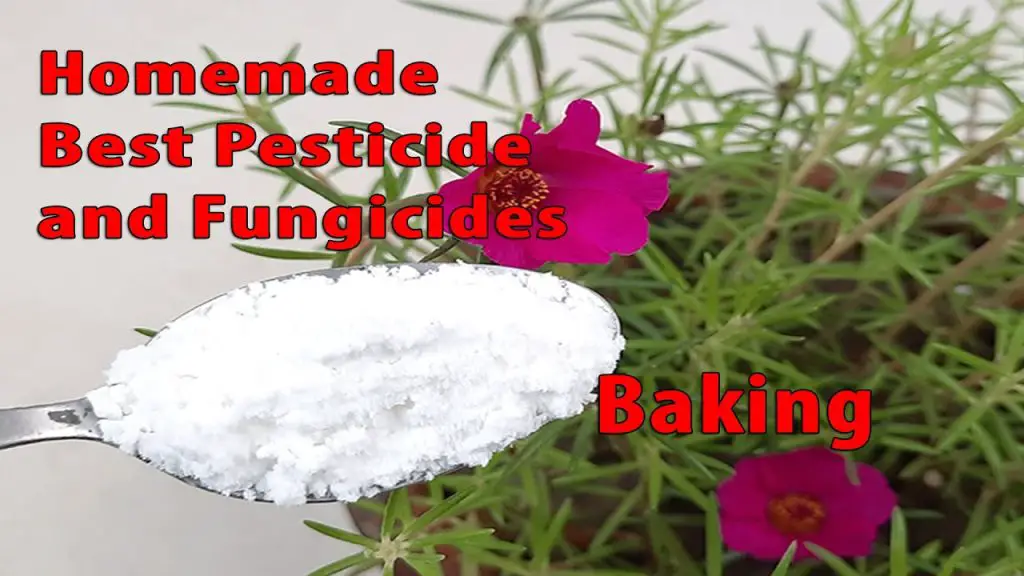
Creating a homemade organic pesticide and fungicide is an excellent way to protect your plants without the use of harsh chemicals. One of the most effective and readily available ingredients for this purpose is baking soda. This versatile household staple not only helps in baking but also serves as a natural solution to combat pests and fungal diseases in your garden. Here’s how to make and use it effectively!
Benefits of Using Baking Soda
- Non-toxic: Safe for use around pets and children.
- Eco-friendly: Minimizes environmental impact compared to synthetic pesticides.
- Cost-effective: Inexpensive and easy to obtain.
How Baking Soda Works
Baking soda, or sodium bicarbonate, works as a natural fungicide by altering the pH level on the plant’s surface, creating an inhospitable environment for fungi. It can also deter certain pests due to its abrasive texture and salty flavor.
Recipe for Homemade Organic Pesticide and Fungicide
Ingredients Needed
- 1 tablespoon baking soda
- 1 tablespoon vegetable oil (or any lightweight oil)
- 1 tablespoon liquid soap (preferably biodegradable)
- 1 quart water (about 4 cups)
Instructions
- Mix Ingredients: In a spray bottle or container, combine the baking soda, vegetable oil, and liquid soap.
- Add Water: Gradually add water to the mixture, stirring well to ensure everything is combined thoroughly.
- Transfer to Spray Bottle: Pour the solution into a clean spray bottle for easy application.
- Label the Bottle: It’s a good practice to label the bottle with the date and contents.
How to Use the Solution
Application Steps
- Test on a Small Area: Before applying it to your entire plant, spray a small, inconspicuous area to check for any adverse reactions.
- Spray the Affected Areas: Spray the solution directly onto the affected leaves and stems of the plants, ensuring that you cover both the tops and undersides of the leaves.
- Frequency of Application: Apply the solution every 7 to 14 days or after rainfall to maintain effectiveness.
- Best Time to Apply: Early morning or late afternoon is ideal to avoid burning the leaves in direct sunlight.
Precautions
- Avoid using the solution on plants that are sensitive to high sodium levels.
- Do not apply before rain, as it may wash away the treatment.
Other Uses for Baking Soda in the Garden
- Mildew Control: Spray the same baking soda solution on plants prone to powdery mildew.
- Pest Deterrent: Use it to deter pests like aphids and spider mites by spraying on the affected plants.
- Soil Amendment: Incorporate baking soda into the soil to help balance pH levels for plants that thrive in slightly alkaline conditions.
Conclusion
Making a homemade organic pesticide and fungicide using baking soda is a simple, effective, and environmentally friendly solution for maintaining plant health. By utilizing this natural remedy, you can protect your garden from pests and diseases while ensuring a safe environment for your family and pets. Give it a try and watch your plants thrive!