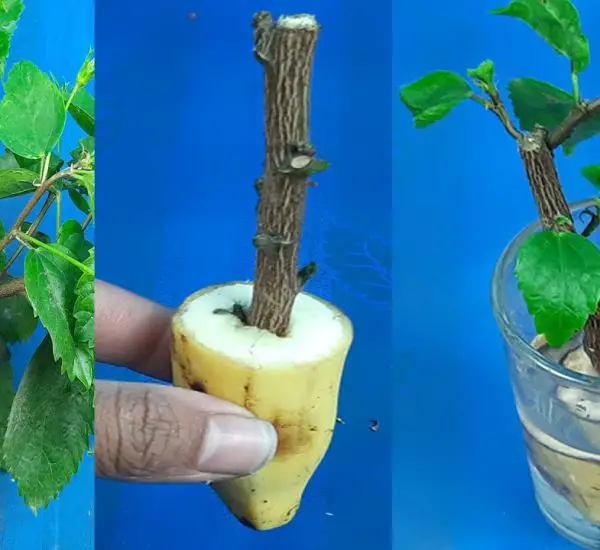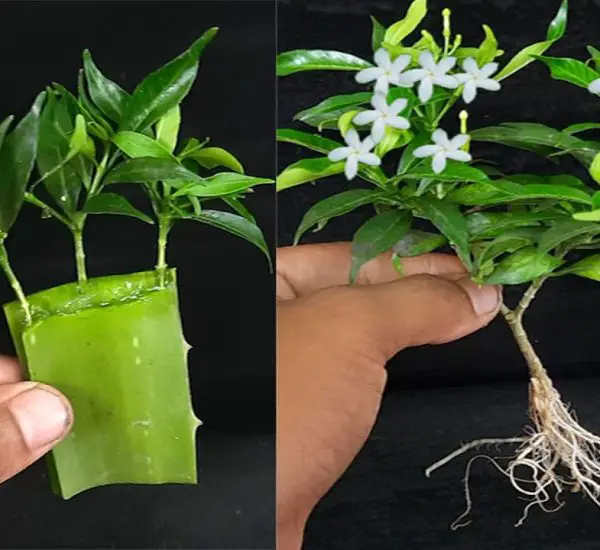
Creating a homemade free fertilizer is a sustainable and cost-effective way to nourish your water plants. Utilizing natural ingredients not only benefits your plants but also promotes a healthier environment. Here’s how to make the best natural fertilizer for your aquatic plants!
1. Why Use Homemade Fertilizer?
Homemade fertilizers are often more beneficial than store-bought options because they are:
- Cost-Effective: Reduce expenses by using kitchen scraps and other organic materials.
- Eco-Friendly: Decrease chemical runoff and promote sustainable gardening practices.
- Customizable: Tailor your fertilizer to meet the specific needs of your water plants.
2. Ingredients for Homemade Fertilizer
You can create effective fertilizers using common kitchen items and natural materials. Here are some great options:
- Banana Peels: Rich in potassium, which promotes blooming and root development.
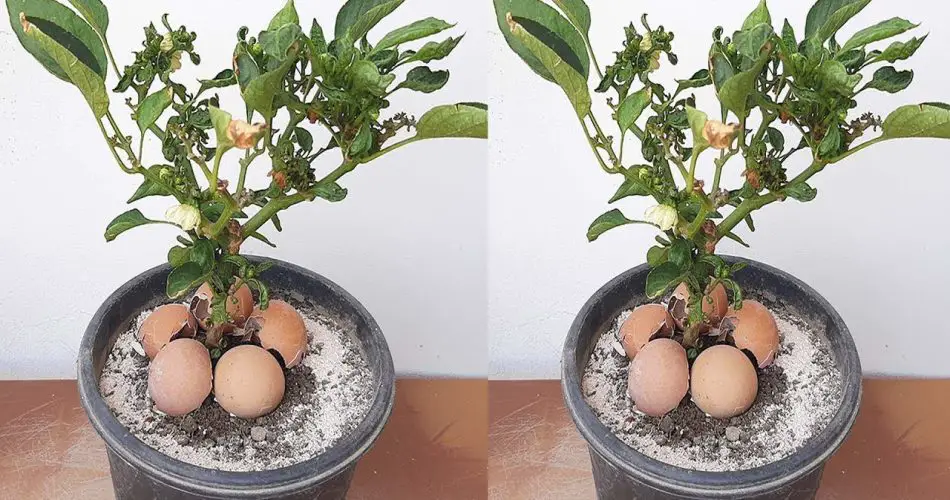
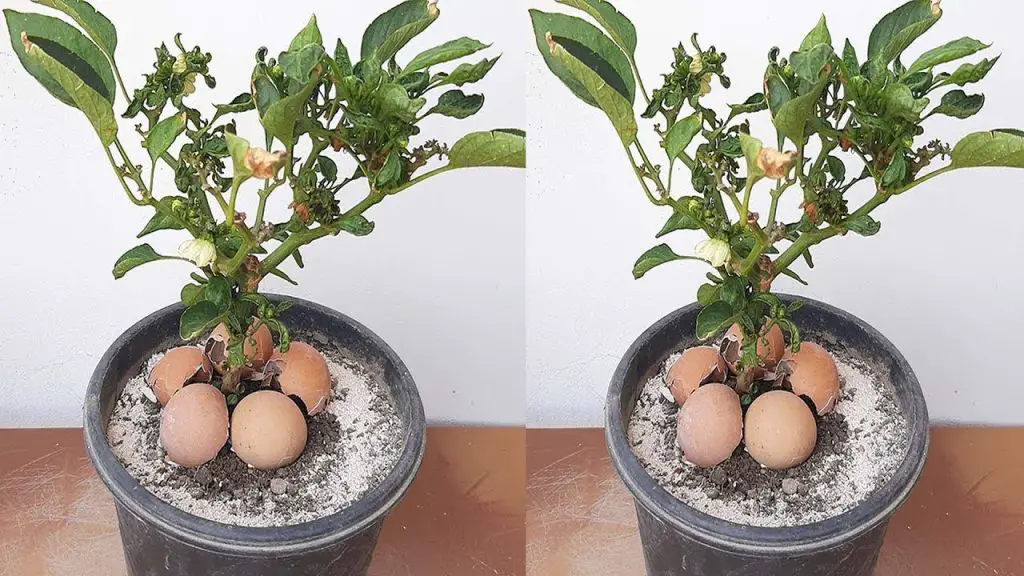
- Eggshells: Provide calcium, essential for cell growth and overall plant health. Crush them before use.
- Coffee Grounds: These add nitrogen, improve soil structure, and attract beneficial earthworms.
- Compost Tea: Made by steeping compost in water, it provides a nutrient-rich liquid fertilizer.
- Aquarium Water: If you have fish, the water can be a fantastic nutrient source due to fish waste.
3. How to Make Your Homemade Fertilizer
Option 1: Banana Peel Fertilizer
- Collect Banana Peels: Use 2-3 peels.
- Chop Them Up: Cut the peels into small pieces.
- Soak in Water: Place the pieces in a jar and cover with water. Let it sit for 48 hours.
- Strain and Use: Use the water to nourish your plants. The remaining peels can be added to your compost.
Option 2: Eggshell Fertilizer
- Collect Eggshells: Save shells from eggs.
- Rinse and Dry: Clean them to remove any residue, then let them dry.
- Crush the Shells: Grind them into a fine powder.
- Mix with Soil: Sprinkle the crushed eggshells around your water plants.
Option 3: Coffee Ground Fertilizer
- Collect Used Coffee Grounds: Gather leftover grounds from your coffee maker.
- Dry the Grounds: Spread them out to dry.
- Add to Water: Mix a small amount (1-2 tablespoons) into the water for your plants.
- Direct Application: You can also sprinkle the grounds on the soil around the plants.
Option 4: Compost Tea
- Gather Compost: Use well-aged compost.
- Steep in Water: Fill a bucket with water and add a bag of compost (like a tea bag).
- Let it Brew: Allow it to steep for 1-2 days.
- Strain and Use: Use the liquid to water your plants.
4. Applying Your Homemade Fertilizer
- Frequency: Apply your homemade fertilizer every 2-4 weeks during the growing season.
- Dilution: When using concentrated fertilizers like compost tea, dilute with water to avoid nutrient burn.
- Observation: Watch your plants for signs of nutrient deficiency or excess, and adjust applications accordingly.
5. Benefits of Homemade Fertilizer for Water Plants
Using homemade fertilizers can lead to:
- Improved Growth: Plants receive essential nutrients naturally.
- Enhanced Blooming: More vibrant flowers and healthy foliage.
- Stronger Roots: Better resistance to pests and diseases.
Conclusion
Making homemade free fertilizer is an excellent way to provide your water plants with the nutrients they need without spending money or using harmful chemicals. By utilizing everyday kitchen scraps and natural materials, you can ensure your aquatic garden thrives. Start today and enjoy the benefits of natural fertilization!