Cabbage, a versatile and nutritious vegetable, requires strategic care to ensure a plentiful yield of high quality. Effective fertilization, especially after transplanting seedlings into the soil, plays a crucial role in achieving this goal.
Soil Preparation Before Planting
Even before transplanting cabbage seedlings, soil preparation is key to providing essential nutrients for optimal growth. Consider these steps:
- Humus or Compost: Incorporate 2-3 buckets per 1 square meter to enrich the soil.
- Mineral Fertilizers: Add superphosphate (30 grams) and potassium salt (20 grams) per 1 square meter for balanced nutrition.
- Enhance soil with wood ash and calcium nitrate (1 tablespoon each) in each planting hole to aid plant adaptation.
Fertilizing Cabbage After Transplanting
After transplanting cabbage seedlings into the soil, regular and proper feeding is essential for vigorous growth and development. Here are effective methods to consider:
- Nitrogen Fertilizers:
- Apply nitrogen fertilizers 15 days after planting to promote leaf growth. Options include urea (10 grams per 10 liters of water) or ammonium nitrate (20 grams per 10 liters of water).
- Reapply nitrogen fertilizers after another 15 days.
- Foliar Feeding:
- Use boric acid (2 grams per 10 liters of water) or calcium nitrate (25 grams per 10 liters of water) for foliar feeding. These solutions aid nutrient absorption and enhance plant disease resistance.
- Ash:
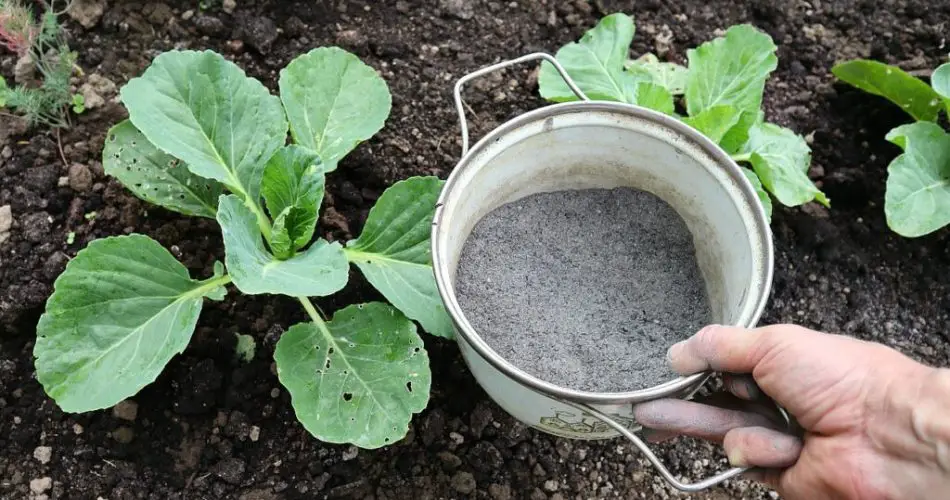
- Wood ash is beneficial for cabbage as it provides potassium and trace elements. Use it periodically by sprinkling it around the roots or preparing an infusion (200 grams of ash per 10 liters of water).
Recommendations for Feeding Cabbage:
- Avoid overfeeding cabbage to prevent nitrate accumulation in the produce.
- Prior to fertilization, ensure thorough watering of the soil.
- Follow dosage instructions specified on fertilizer packaging.
- Rotate different types of feeding to optimize nutrient assimilation.
By adhering to these straightforward guidelines, you can ensure that your cabbage plants receive all necessary nutrients, thereby guaranteeing a robust and high-quality harvest.