Cacti, with their intriguing shapes and ability to thrive in harsh environments, have fascinated botanists and collectors for centuries. Among the diverse array of cacti, two distinct categories stand out: the resilient land cacti and the captivating dragon cactus grafts. While both belong to the Cactaceae family and share certain characteristics, they differ significantly in their appearance, cultivation methods, and appeal to enthusiasts.
Land Cacti: Masters of Adaptation
Land cacti are the stalwarts of arid landscapes, evolved to withstand the intense sun and scarce water of desert environments. These plants typically feature thick, fleshy stems covered in spines or hairs, which serve multiple functions. The spines help to reduce water loss by creating a barrier against evaporation, while also deterring herbivores from consuming their precious moisture reserves.
In their natural habitats, land cacti have developed deep root systems that allow them to quickly absorb water from infrequent rains and store it in their spongy tissues. This adaptation enables them to survive extended periods of drought, making them resilient symbols of endurance in harsh climates.
Cultivating land cacti often involves recreating their native environment as closely as possible. This includes providing well-draining soil, ample sunlight, and minimal water, mimicking the conditions of their desert homes. Succulent enthusiasts appreciate land cacti for their low maintenance requirements and the striking visual appeal they bring to dry gardens and indoor collections.
Dragon Cactus Grafts: A Marvel of Botanical Artistry
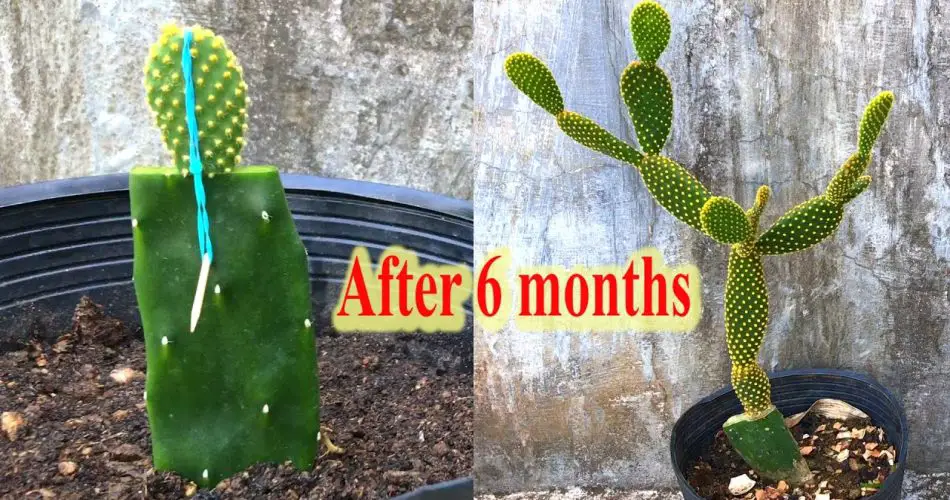
In contrast to their rugged land-dwelling counterparts, dragon cactus grafts represent a fusion of artistic ingenuity and horticultural skill. These unique specimens are created through a process known as grafting, where a colorful, often intricately patterned cactus scion (the top part of the graft) is grafted onto the hardy rootstock of another cactus species.
The scion, which can resemble dragon scales with vibrant hues of purple, red, yellow, or green, derives its distinctive appearance from pigments and genetic traits unique to certain cactus varieties. This artistic approach allows growers to combine the desirable traits of different cacti, creating visually stunning hybrids that captivate collectors and enthusiasts alike.
Dragon cactus grafts require specialized care to maintain their health and vibrant appearance. While the rootstock provides the necessary nutrients and resilience, attention must be paid to both parts of the graft to ensure harmonious growth. These hybrids thrive in conditions similar to their parent species, necessitating well-draining soil, ample sunlight, and careful watering to prevent rot.
Cultural Significance and Collectibility
Both land cacti and dragon cactus grafts hold cultural significance beyond their botanical attributes. Land cacti have been integral to indigenous cultures for millennia, providing food, water, and materials for tools and construction. Their resilience and adaptability symbolize strength and endurance in adversity.
On the other hand, dragon cactus grafts embody creativity and the evolving art of horticulture. They are sought after by collectors for their aesthetic appeal and the technical skill required to produce them. Each specimen is a testament to the ingenuity of horticulturalists who blend science and art to create living masterpieces.
Conclusion
In the realm of cacti, the diversity between land cacti and dragon cactus grafts highlights the versatility and beauty of these remarkable plants. Land cacti stand as symbols of resilience and adaptation, perfectly suited to thrive in harsh desert landscapes. Meanwhile, dragon cactus grafts showcase the intersection of botanical science and artistic expression, offering collectors and enthusiasts alike a glimpse into the boundless creativity of horticulture.
Whether adorning a desert garden or displayed as a prized collection piece, both land cacti and dragon cactus grafts continue to captivate and inspire admiration, each in their own unique way. As the appreciation for cacti grows worldwide, so too does our understanding and fascination with these extraordinary plants.